Hard water leaves a trail long before you see a lab report.
Chalky spots on your shower door, cloudy glassware, and stiff towels all trace back to dissolved minerals in the water, mainly calcium and magnesium. According to the U.S. Geological Survey, these minerals determine hardness and are the same ones that cause buildup in plumbing, fixtures, and water heaters.
The glass can look clear while the mineral load rises in the background. Hardness is about what rides along in the water, not how it appears. Once those deposits start eating into your time, cleaners, and appliance lifespan, a softener becomes a practical fix rather than a luxury.
How Modern Water Softeners Work
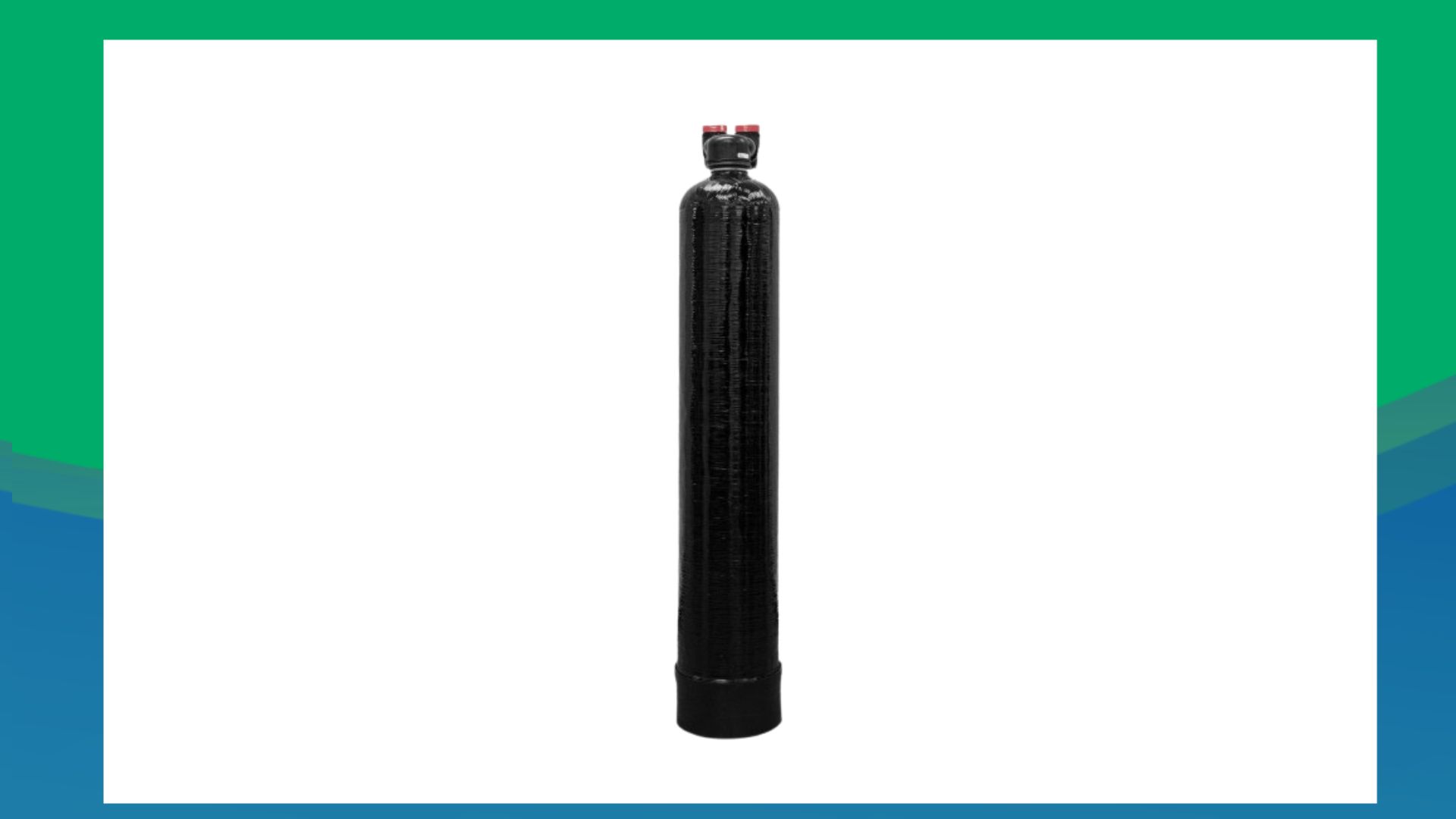
Modern water softeners treat hardness at the source instead of just masking symptoms. Hard water moves through a tank filled with resin beads that hold sodium or potassium ions.
As water passes, beads trade those ions for calcium and magnesium, which cuts scale and makes water feel softer.
According to the EPA, this cation exchange process continues until the resin surface saturates, then a regeneration cycle pushes brine through the tank, rinses trapped minerals away, and restores softening capacity.
That basic idea underpins several system types, each with its own strengths and tradeoffs.
System type
How it works
Best suited for
Key tradeoffs
Salt-based ion exchange
Trades sodium ions on resin for calcium and magnesium in hard water.
Serious scale issues, whole home protection, many wells, and city supplies.
Needs regular salt refills and brine discharge; adds a small sodium load.
Potassium-based softener
Uses potassium chloride instead of chloride to soften water the same way.
Households managing sodium intake, regions that still allow softeners.
Bags cost more, and the system still discharges chloride and needs service.
Salt-free conditioner
Changes the mineral structure rather than removing the hardness minerals outright.
Mild to moderate hardness; areas with strict salt-discharge rules.
Does not fully soften water; weaker performance in very high hardness.
Dual tank softener
Two resin tanks alternate between service and regeneration to provide constant soft water.
Large households, light commercial use, and high-demand wells.
Higher equipment cost and footprint; still requires salt and maintenance.
Portable softener
Compact ion exchange unit near the point of use.
RVs, boats, small rentals, tiny homes with hard water.
Limited capacity, frequent regeneration, and more careful handling are needed.
Choosing The Right Softening Setup For Your Home
Choosing the right water softener starts with your hardness level, not the shiniest tank in the showroom. Strong test results, home size, and local rules shape what actually makes sense.
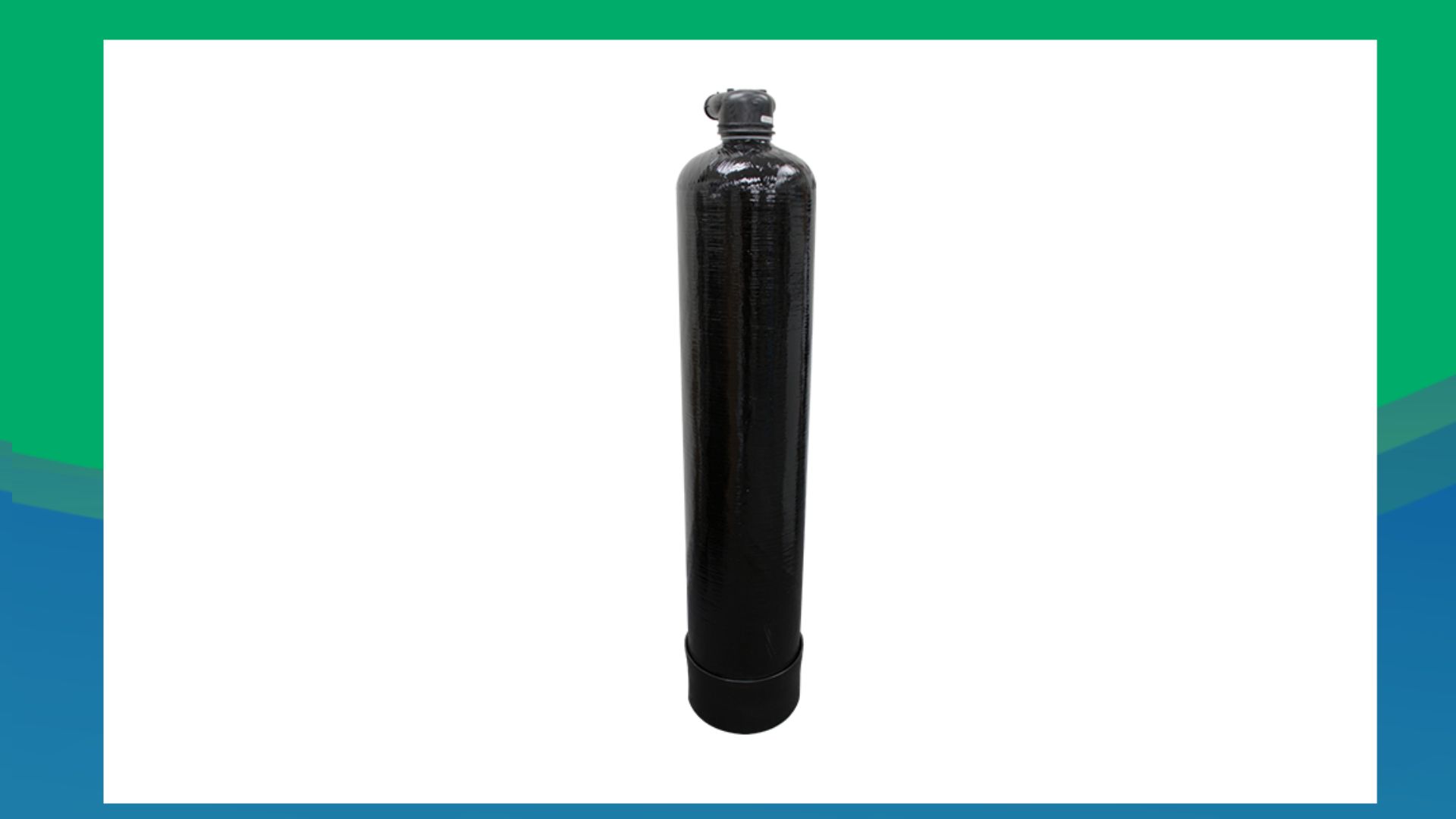
Light to moderate hardness in a small home may be well served by a single-tank softener or a compact unit.
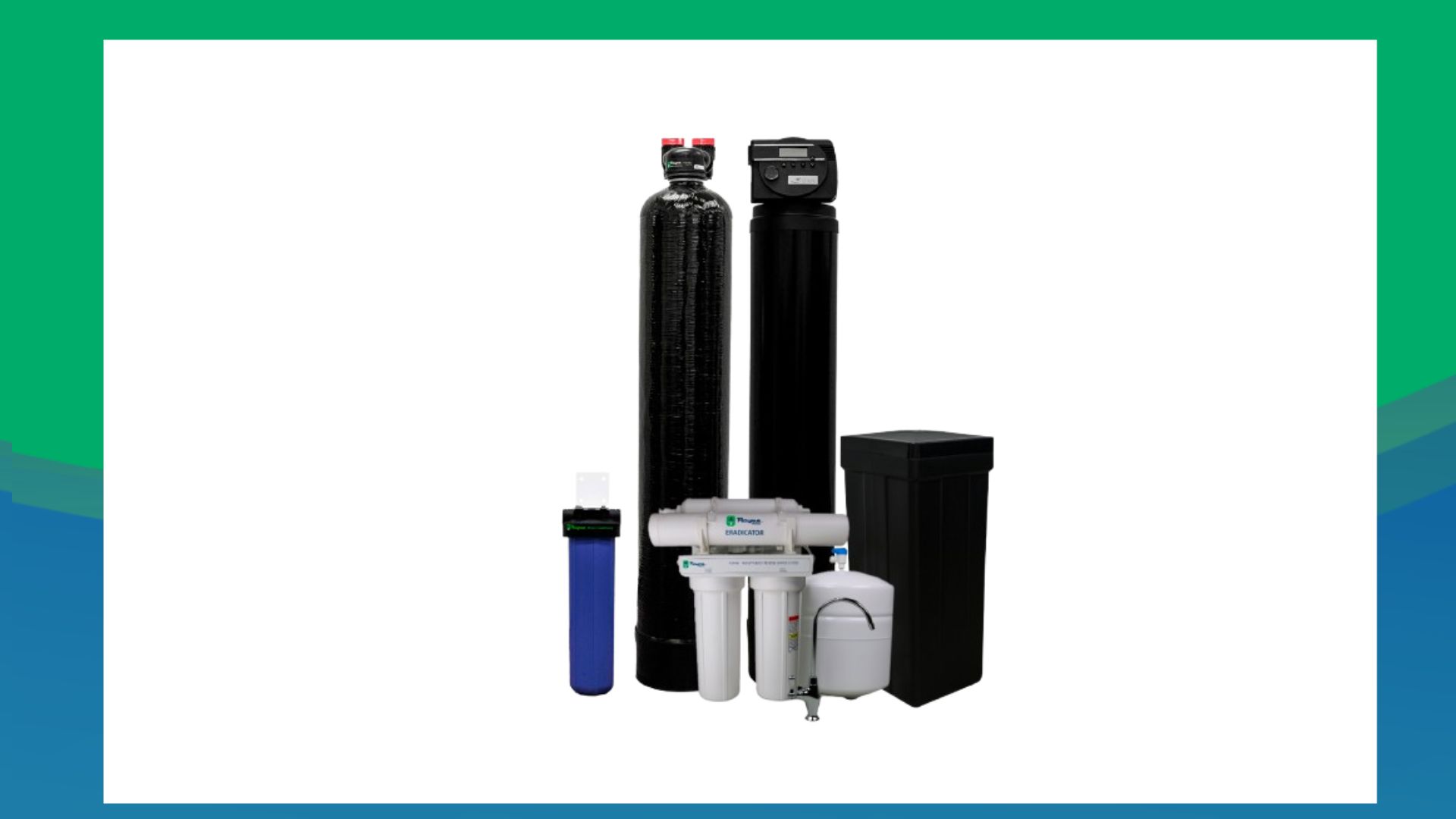
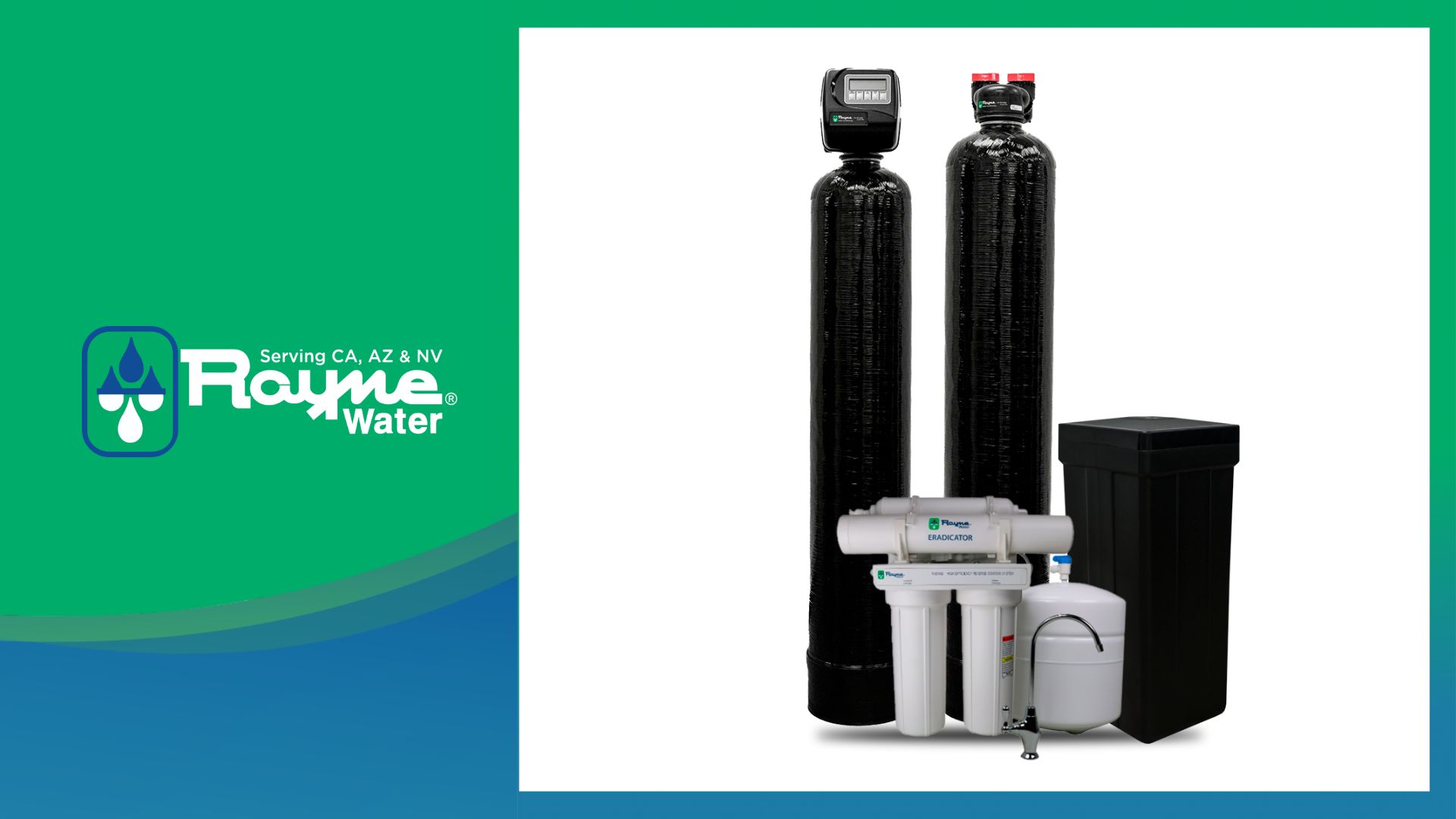
Very hard water, busy households, or wells often require larger-capacity, dual-tank setups and a paired drinking water system, such as RO at the kitchen.
Areas with salt restrictions or strict discharge limits may push you toward higher-efficiency models or conditioners, along with targeted drinking water filtration.
Once those pieces line up, a local Rayne team can review your water test, map the numbers to real-world use, and recommend a softening and drinking water combination tailored to your house, rather than a generic average.
Environmental & Health Considerations
Soft water solves scale problems, yet it also changes what moves through your body and into streams.
When ion exchange softeners remove hardness minerals, they replace them with sodium.
An IERE report estimates about 8 milligrams of sodium per liter for each grain of hardness removed. Most households stay within dietary targets, although strict low-sodium plans often favor potassium-based systems or an unsoftened drinking tap.
Regeneration brine also carries chloride into sewers and waterways, which treatment plants rarely remove. Efficient settings and newer softeners that use less salt help cut chloride loading and shrink the footprint of staying in soft water.
What To Expect When You Install A Rayne Water Softener
Installing a Rayne water softener starts with a conversation.
During the first call, the team asks about water hardness, home size, and past scale problems, then schedules a visit for testing and system sizing so capacity and settings match how your household actually uses water.
On installation day, a technician places the unit near your main supply, connects it to plumbing and drain lines, and programs regeneration based on your usage.
After that, routine service, salt or exchange tank visits, and clear support keep your softener working quietly in the background.
FAQs
1. How can I tell I need a water softener?
Spots on glasses, soap film on showers, scale on fixtures, and dry skin all point to hard water. Once you notice the difference in hard vs soft water and want soft water benefits for skin and hair, it is time for a hardness test.
2. Is softened water safe to drink?
For most households, softened water is safe, and the benefits of soft water outweigh the small increase in sodium. People on very low-sodium diets can keep one cold tap unsoftened or pair a softener with a separate drinking water system.
3. Will a water softener save me money?
Soft water helps appliances last longer, improves heater efficiency, and cuts detergent use, so savings build over time. You should also weigh water softener disadvantages, such as salt costs and discharge rules, against those long-term gains for your home.
4. Do I still need a filter if I have a softener?
Yes. A softener, especially ion exchange process systems, targets hardness minerals only. Many homes combine different water softener types with a dedicated filter, a reverse osmosis unit, or a salt-free water conditioner to address taste, specific contaminants, and overall drinking water quality.
5. What maintenance does a water softener need?
Typical water softener maintenance includes checking salt levels, confirming regeneration settings, and scheduling simple service checks. Some households use exchange tank services instead of handling salt. Regular attention keeps performance steady and avoids surprises with hardness slipping back into the plumbing.
Ken Christopher is the Senior Vice President for Rayne Dealership Corporation. As a seasoned executive with over 20 years of leadership experience, he’s helped scale…
Join our newsletter
Subscribe our newsletter to receive the latest news and exclusive offers every week. No spam.


 GET A QUOTE