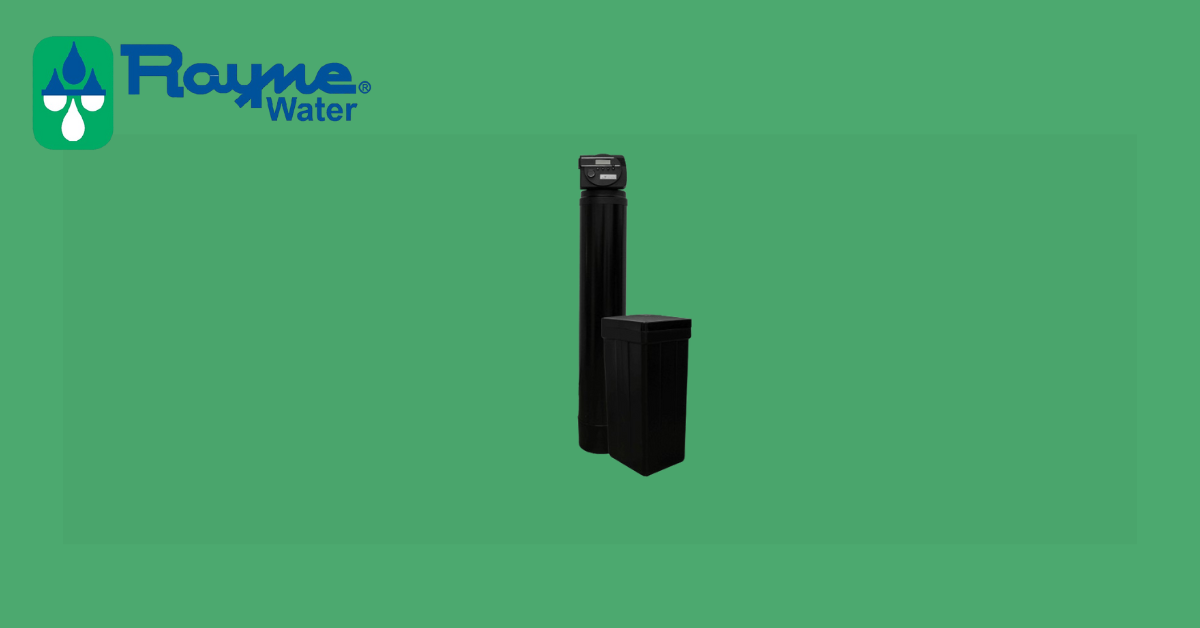
Hard water is a daily reality in Phoenix and nearby communities such as Scottsdale, Glendale, and Anthem.
With some of the highest mineral levels in the country ( around 13.5 grains per gallon, ≈ 230 ppm), our tap water leaves spots on glassware, scale in pipes, and extra wear on water heaters, dishwashers, and washing machines.
If you’ve ever seen white spots on your glasses or felt like soap never rinses off, you’re already acquainted with hard water.
At Rayne Water, we understand the pace and pressures of modern life. You have work to do, family to care for, and a home to maintain; your water system should make life smoother, not add complexity.
This buyer’s guide breaks down everything you need to know about choosing the best water softener for your Phoenix home. We’ll explain why soft water matters, explore the different systems available, and show you how Rayne’s solutions blend technology and sustainability for better hydration with less hassle.
Key Takeaways
Phoenix water is extremely hard. Our supply averages around 13.5 gpg (230 ppm) and often exceeds 200 ppm. If you’re seeing scale or soap scum, you probably need a softener.
Softening protects your investment. Reducing mineral buildup extends the life of water heaters, dishwashers, and washing machines, saving you money on repairs and energy bills.
Local expertise across the Valley. We serve Phoenix, Scottsdale, Glendale, Sun City, Peoria, Mesa, Goodyear, and Anthem with systems sized for each home.
Rayne offers multiple solutions. No single system is right for everyone; our lineup includes salt-based, salt-free, dual-tank, and hybrid options to match your water, lifestyle, and budget.
The investment pays off. Between reduced cleaning supplies and extended appliance life, a water softener often pays for itself within a few years.
Understanding Phoenix’s Hard Water
Hard water isn’t dangerous to drink, but it is relentless in the way it builds up on every surface it touches. The high mineral content in Phoenix water comes from two main sources: river runoff and underground aquifers.
As water moves through rock and soil, it dissolves calcium and magnesium, depositing them into your plumbing. The U.S. Geological Survey classifies anything above 7 grains per gallon as hard, and Phoenix’s average of 13.5 gpg is among the highest in the country.
That means every load of laundry, every shower, and every drop of water that flows through your dishwasher carries dissolved minerals that leave scale behind.
Common signs of hard water include:
Spotted glassware and dishes that look cloudy no matter how much you rinse.
Stiff, faded laundry that feels rough even after using fabric softener.
Soap scum that collects on shower walls and tubs.
Dry skin and hair, as minerals strip away natural oils and make soap harder to lather.
Clogged plumbing and scale buildup in faucets, showerheads, and appliances.
These problems may seem like mere annoyances, but they add up to real costs: higher energy bills from inefficient water heaters, shortened appliance lifespan, extra cleaning supplies, and constant maintenance.
Why You Need a Water Softener in Phoenix
Hard water is not going away on its own. Municipal treatment removes contaminants and ensures safety, but it doesn’t eliminate minerals.
Impact on Plumbing and Appliances (Energy usage, Lifespan)
Mineral deposits (also known as scale) build up inside pipes, faucets, and fixtures. Over time, scale reduces water flow and forces pumps and heaters to work harder, raising your utility bills.
Scale can also void warranties on dishwashers, washing machines, and tankless water heaters.
By removing hardness minerals, softeners prevent scale from forming and keep your plumbing operating efficiently.
Daily Comfort (Skin, Hair, Cleaning tasks)
Hard water interferes with soap and detergent, making it harder to form suds and rinse clean.
This leads to dry skin, brittle hair, and dingy laundry. Soft water allows shampoos and soaps to lather properly and rinse completely, leaving you feeling refreshed rather than coated. Clothing and linens come out of the wash softer and brighter with less fabric softener or detergent.
Utility Bills and Repair Costs
Scale acts as an insulator, forcing water heaters to expend more energy to heat water.
According to studies cited by the Water Quality Association, softened water keeps water heaters operating at factory efficiency longer and reduces energy consumption.
Considering that water heaters account for nearly 20 % of a home’s energy use, the savings add up quickly. Furthermore, softeners extend appliance life by reducing scale buildup; less frequent repairs and replacements mean more money in your pocket over the long run.
Types of Water Softeners for Phoenix Homes
Not all softeners work the same way. Below, we outline the major categories, highlight their pros and cons, and recommend specific Rayne systems that fit Phoenix’s hard water challenges.
Salt‑Based Water Softeners
Salt‑based softeners are the gold standard for dealing with severe hardness.
They use ion exchange to swap calcium and magnesium ions for sodium or potassium ions. The process occurs inside a resin tank filled with tiny beads that attract and hold hardness minerals while releasing sodium.
Periodically, the system regenerates by flushing the resin with a salt brine, washing away captured minerals, and recharging the beads.
Pros
Delivers true soft water by removing hardness minerals, making it ideal for Phoenix’s high hardness levels.
Produces silky lather and prevents scale throughout the house.
Protects appliances and plumbing from mineral buildup.
Cons
Requires salt and periodic regeneration, which produce brine discharge.
Needs a drain line and electricity to operate.
Best for: Homes with very hard water and residents who want the softest feel possible. Salt‑based systems are also ideal when protecting expensive appliances or investments like tankless water heaters.
Suggested system: Rayne Versa Series
The Versa Series is a premium salt‑based softener that can be customized for any home size. Its upflow technology ensures complete regeneration while using less salt; the mixing valve lets you adjust the degree of softness, so you can fine-tune your water to your preference.
The Versa’s large valve sizes and superior flow rates support homes up to 5,000 square feet, making it versatile for both small families and larger households.
Eco‑conscious homeowners appreciate that the Versa calculates brining needs for each regeneration, reducing salt usage and environmental impact.
Salt‑Free Conditioners
Salt‑free conditioners don’t remove minerals; instead, they alter the structure of hardness minerals so they do not adhere to surfaces. Most systems use template‑assisted crystallization (TAC) or catalytic media to convert calcium and magnesium into harmless crystals that remain in suspension and flush away harmlessly.
Pros
Requires no salt or chemicals; virtually maintenance‑free.
Does not produce brine discharge; it is compatible with areas that restrict salt use.
Retains beneficial minerals in the water.
Cons
Does not provide the “soft” feel; minerals remain in the water.
Limited scale prevention if the hardness is extremely high.
Best for: Homes with moderate hardness, residents concerned about sodium intake or brine restrictions, and those wanting minimal maintenance. Salt‑free systems are also useful when paired with traditional softeners for targeted scale reduction.
Suggested system: 10 AC Carbon Filter System
Rayne’s 10 AC Carbon Filter is a whole‑house conditioner that removes chlorine, chloramines, and odors while avoiding salt, electricity, and drain lines.
It’s compact, durable, and can pair with an existing softener for a complete water treatment solution. Its eco‑conscious design makes it popular in regions with brine restrictions and for families looking to cut down on maintenance.
Dual‑Tank Softener Systems
Dual‑tank systems provide continuous soft water by alternating between two resin tanks. When one tank is in use, the other regenerates. This ensures there is no downtime or drop in water pressure.
Pros
Continuous supply of soft water 24/7; no waiting for regeneration.
Ideal for large households or businesses with constant water demand.
Reduces wear because regeneration happens at low flow rates.
Cons
Higher upfront cost and larger footprint.
Requires more resin and salt than single‑tank systems.
Best for: Large families (six or more members), homes over 3,000 square feet, commercial properties, and anyone who can’t afford to be without soft water.
Suggested system: Rayne Infiniti Series
The Infiniti Series is a dual‑tank workhorse designed to deliver uninterrupted soft water to homes up to 5,000 square feet and commercial applications.
It automatically alternates tanks so there’s always soft tap water.
The system uses less salt and energy than many dual‑tank systems because it regenerates only when necessary. Beyond providing continuous softness, the Infiniti excels at protecting appliances and plumbing and reducing soap and detergent usage over time.
Hybrid Softener & Filter Systems
Hybrid systems combine softening and filtration in one unit. They typically use a softening resin bed followed by carbon or specialty media to remove chlorine, chloramines, VOCs, or taste and odor contaminants. This “all‑in‑one” approach provides both the benefits of soft water and improved taste.
Pros
Delivers soft water and filtered water from a single system.
Reduces the number of tanks and connections needed.
Helpful for households wanting both scale reduction and chlorine removal.
Cons
More expensive than a basic softener or filter alone.
Replacing both resin and filter media can increase maintenance costs.
Best for: Homeowners who want comprehensive water improvement but have limited space or prefer a single system for softening and filtration. Hybrid systems are perfect when you dislike the chlorine taste or smell but also need scale protection.
The Guardian is a hybrid softener with additional filtration capabilities, while the Protector adds advanced filtration media.
They’re excellent for Phoenix homeowners who want one unit to handle hardness and chemical taste, delivering softened, cleaner water throughout the house.
Space‑Saver & Standard Softener Systems
Space‑saver and standard softeners are compact single‑tank units designed for smaller homes, condos, or situations where space is limited. They provide all the benefits of soft water without the larger footprint of premium systems.
Pros
Smaller size fits tight spaces like closets or laundry rooms.
Lower upfront cost compared with premium systems.
Simple to operate and maintain.
Cons
It may regenerate more often if undersized for the household’s usage.
Limited flow rates; not suitable for very large homes or high‑demand scenarios.
Best for: Condos, townhomes, small single‑family houses, or vacation homes. They’re also suitable for budget‑conscious homeowners who still want to protect their plumbing and appliances.
How to Choose the Best Water Softener for Your Phoenix Home
This guidance applies to homes across Phoenix, Scottsdale, Glendale, Sun City, Peoria, Mesa, Goodyear, and Anthem.
Every house and family is different. The key to choosing the right system is to align it with your water quality, household size, and personal preferences. Here’s a straightforward process to help you decide.
Assessing Phoenix Water Hardness Levels (Getting A Test)
Begin by understanding your baseline. You can order a DIY test kit, but a professional water analysis provides a more complete picture, including hardness in grains per gallon, dissolved solids, chlorine levels, and other contaminants.
Rayne offers free in‑home water tests so you can make data‑driven decisions without guessing.
Matching System Capacity to Household Size and Water Use
A softener’s capacity is measured in grains, indicating how much hardness the system can remove before regenerating. A 24,000‑grain unit typically suits apartments or small homes with one or two occupants.
Medium‑sized families (three to five people) often need 32,000–40,000 grains, while large households or homes with multiple bathrooms may require 48,000 grains or more.
Dual‑tank systems like the Infiniti are ideal when water demand is extremely high or continuous soft water is critical. Learn how to choose the proper water softener size for your home.
Budget Considerations and Maintenance Requirements
Think about where the system will sit. Garages and utility rooms are common because they offer space for tanks and access to the main water line.
Installing in a closet or outdoors may require additional plumbing, electrical work, or weatherproofing. If space is tight, a compact unit like the Defender Series might be a better fit.
Decide Between Professional and DIY Installation
DIY kits are available, but installing a softener involves cutting into your main water line, adding a bypass valve, connecting drains, and ensuring code compliance.
A professional installation ensures the system is sized correctly, avoids leaks and meets local plumbing codes.
It also preserves your warranty and provides peace of mind. Many homeowners find the cost of professional installation justified by the savings and convenience.
Benefits of Installing a Water Softener in Phoenix
Choosing a softener is about improving your entire water experience. Here’s what you’ll notice once your system is installed.
Appliance Protection and Cost Savings
Hard water causes scale to accumulate inside water heaters, washing machines, dishwashers, and other appliances. That buildup reduces efficiency and shortens lifespan. Soft water eliminates scale, allowing heaters to operate at optimal efficiency and preventing costly breakdowns.
Many homeowners see a reduction in energy bills and fewer repair calls after installing a softener. Additionally, soft water reduces soap and detergent usage by up to 50 %, saving money on cleaning supplies.
Better Laundry, Dishes, Skin, and Hair
Soft water allows detergents and soaps to dissolve more completely, so clothes come out brighter and softer. Dishes and glassware dry without spots or film.
You’ll notice that shampoos produce a richer lather and rinse cleanly, leaving hair and skin feeling smoother and less dry. Even shaving cream works better, giving closer shaves with less irritation.
Reduced Cleaning Time and Effort
Mineral deposits and soap scum take time to scrub away.
With soft water, you’ll spend less time cleaning shower doors, faucets, and fixtures. Scale no longer builds up inside faucets or around showerheads, so you can skip those tedious descaling sessions.
Long‑Term Home Value
A home with well‑maintained plumbing and appliances retains value better than one plagued by hard water damage. Potential buyers appreciate seeing that a softener protects water heaters, fixtures, and pipes.
It’s a small investment that preserves the integrity of your home’s infrastructure.
Why Choose Rayne Water?
No matter what type of home you live in, Rayne Water has a system designed around you. If you want a straightforward option, the Defender handles daily softening with ease.
If you’re looking for premium performance, the Versa delivers efficient soft water tailored to your family’s needs. For households that never want to run out of soft water, the Infiniti provides continuous supply, while hybrid models like the Guardian and Protector combine softening with conditioning to improve overall water quality.
And if you prefer to avoid salt or live in a community with brine restrictions, our 10 AC carbon filter is a reliable salt-free choice.
From the start, our licensed and insured technicians take care of everything: connecting your system, programming it for your home, and showing you how to check salt levels or adjust settings.
You’ll also have ongoing support whenever you need it, with 24/7 service and optional maintenance plans that keep your system running smoothly without adding to your to-do list. To give you even more confidence, Rayne backs these systems with some of the strongest warranties available, so you know your investment is protected for the long run.
How to Get Started with Rayne Water
Ready to experience the benefits of soft water? Here’s how to begin:
Schedule a free water test. Contact us online or by phone to set up a no‑obligation test. We’ll measure hardness, chlorine levels, and other key metrics. We serve Phoenix, Scottsdale, Glendale, Sun City, Peoria, Mesa, Goodyear, and Anthem.
Review your options. Based on your water test and household needs, we’ll recommend one or more systems; perhaps a standard Defender for a small home, a Versa if you need customization, or a dual‑tank Infiniti for continuous supply.
Get a custom quote. We provide transparent pricing and can discuss rental or financing options if you prefer monthly payments.
Book installation. We’ll work around your schedule. Most installations take just a few hours, and we always ensure code compliance.
Enjoy soft water. After installation, we’ll walk you through system operation and maintenance. Our team remains available for questions or service needs.
Ready to Transform Your Water?
Hard water doesn’t have to be part of daily life in Phoenix. A water softener protects your plumbing, keeps appliances running longer, and makes everyday routines like showering, doing laundry, or setting the table feel better.
Because our city’s water is uniquely challenging, it pays to work with a team that understands it. At Rayne Water, we test your water, recommend the right system, and install it with care so you can enjoy softer water without the stress.
Don’t wait for another appliance breakdown or another load of spotted dishes. Reach out now and start enjoying the difference soft water makes every single day.
Frequently Asked Questions
What is the best water softener for Phoenix homes?
There’s no one‑size‑fits‑all answer because homes and households vary so much.
For most Phoenix homes with very hard water, a salt‑based softener provides the most effective scale reduction and the softest feel. If you want customization, the Versa Series allows you to adjust softness levels and accommodates homes up to 5,000 square feet with efficient regeneration.
Large families or businesses that need continuous soft water should consider the Infiniti Series with its dual‑tank design.
If you prefer low maintenance or have brine restrictions, a salt‑free conditioner like the 10 AC Carbon Filter may be sufficient, though it does not fully soften water. The best approach is to test your water and consult a professional to match system features to your specific needs.
The same guidance applies across Scottsdale, Glendale, Sun City, Peoria, Mesa, Goodyear, and Anthem.
How do I know if I need a water softener?
Look for signs of hard water: spotted glasses, dull laundry, soap scum on shower doors, clogged showerheads, and dry skin or hair. You may also notice your water heater struggling to keep up or your dishwasher leaving cloudy residues.
A professional water test will confirm hardness levels in grains per gallon or ppm. If your water measures above 7 gpg, a softener is recommended. Phoenix’s water routinely measures 13.5 gpg, so most homes benefit from softening. Even if you already have a filtration system, only a softener removes hardness minerals.
Salt‑based vs. salt‑free: which is right for me?
Salt‑based softeners remove calcium and magnesium through ion exchange, producing water that feels silky and prevents scale.
They require salt, regeneration, and a drain, but they provide maximum protection for plumbing and appliances. Salt‑free conditioners transform minerals into crystals that don’t stick to surfaces, reducing scale without removing hardness.
They require almost no maintenance and produce no brine discharge, making them environmentally friendly. However, they don’t create the same soft feel and may be less effective with extremely hard water.
If you’re on the fence, consider a hybrid approach: a softener for true soft water and a salt‑free system as a pre‑filter or for specific faucets.
What maintenance is required for a water softener?
For salt‑based systems, the primary task is keeping the brine tank filled with salt or potassium chloride.
Check the salt level every 4–6 weeks, and top it off when it falls below half full. Use high‑purity salt to minimize sludge. Periodically clean the brine tank and flush the resin bed according to the manufacturer’s guidelines or as part of a professional maintenance visit.
Salt‑free systems generally require little maintenance beyond replacing the media every few years. Hybrid systems may need both media changes and salt refills. Regular maintenance extends the life of your system and ensures it operates efficiently.
Are water softeners eco‑friendly?
Softening water uses salt and water, but modern systems are far more efficient than older models. Premium units like the Versa calculate brining needs for each regeneration, reducing salt and water waste.
Dual‑tank systems like the Infiniti regenerate only when necessary and use less salt and energy overall. For those seeking a no‑salt alternative, conditioners and carbon filters avoid brine discharge entirely, making them friendly options in brine‑restricted areas.
Additionally, the reduction in appliance replacements, soap and detergent usage, and energy consumption offsets the environmental footprint of softening. When you work with Rayne Water, we help you choose a system that aligns with your sustainability goals.
Ken Christopher is the Senior Vice President for Rayne Dealership Corporation. As a seasoned executive with over 20 years of leadership experience, he’s helped scale…
Join our newsletter
Subscribe our newsletter to receive the latest news and exclusive offers every week. No spam.


 GET A QUOTE