In Santa Clarita, tap water can shift throughout the year. Imported supply and local groundwater blends change, so taste and odor move with them in warm spells.
You see it in glass spots, soap that refuses to lather, and a sharper disinfectant note.
A whole-house filter can remove chlorine and sediment, yet hardness still builds scale. For fixtures and appliances that stay cleaner, a water softener in Santa Clarita pairs well with filtration, sized to your daily flow.
Santa Clarita water often blends groundwater and imported supply, so taste, odor, and mineral levels can shift throughout the year.
Hardness is common, and parts of the valley fall in the “hard” to “very hard” range, which drives spotting and scale risk.
Whole-house carbon filtration targets chlorine, odor, and sediment at every tap, while under-sink RO focuses on drinking and cooking water.
PFAS conversations are active across California, so choose systems using verified performance claims and recognized standards for the contaminants you care about.
The smartest path is test → recommend → install → maintain, so your system performs the way it did on day one.
Understanding Santa Clarita’s Water Quality
Santa Clarita water varies by source and season, so start by learning the supply, common contaminants, and what they change.
Local sources of tap water
Santa Clarita water is not “one source, one profile.”
SCV Water supplies blend local groundwater with imported State Water Project water that moves through Pyramid and Castaic and is treated at local facilities.
That mix matters, so your water can feel different week to week. Groundwater often has higher mineral levels, while surface water can fluctuate with seasons, reservoir conditions, and treatment adjustments that can influence taste and odor.
You can also notice differences by service area. Multiple retail purveyors operate across the valley, including Los Angeles County Waterworks District 36, serving communities like Hasley Canyon and Val Verde.
Common contaminants and “daily irritants” in the area
Santa Clarita water is disinfected for safety, and that can leave a noticeable chemical “edge” at the tap. CDC notes water treated with chlorine or chloramine can taste and smell different, especially when levels rise or water carries more particles.
In daily use, the common irritants usually look like this:
A chloramine-style taste or odor in drinking water
Hardness minerals that leave spots, scale, and stubborn soap scum
Ongoing PFAS attention that pushes homeowners to ask sharper questions about filtration claims
Knowing which of these hits your home guides the right filter type and capacity.
Why Filtration Is Necessary
“Meets standards” is not the same as “fits your life.” Standards focus on public health baselines.
Your day-to-day experience is about taste, shower feel, spotting, and protecting expensive equipment like water heaters, dishwashers, and coffee makers.
Hard water is a great example. It is not typically framed as a health risk, yet it can be a nuisance. USGS explains that hardness comes largely from calcium and magnesium, and those minerals drive scale and soap performance issues.
That is why many Santa Clarita homes do well with a combined approach: filtration to improve taste and reduce disinfectant byproducts, plus softening (or conditioning) to control scale.
Key Considerations Before Choosing a Water Filtration System
Before you buy, align testing, goals, household demand, and maintenance comfort so the system fits your daily routine.
1. What’s in your water? Get a water test
Skipping a water test turns your purchase into a guess. Testing gives you a clear target list, so you spend on solutions that match your water, not assumptions.
Rayne starts with a complimentary in-home test and a brief discussion of your goals and plumbing layout. That context matters because the right system depends on what is present, plus how your home uses water.
Once you have results, choosing becomes simple. You can ignore noise and focus on what actually affects taste, scale, and daily use.
2. Define your water goals in plain language
This is the moment to be honest about what annoys you.
If you mainly want better drinking water, an under-sink reverse osmosis system can be the centerpiece.
If you want better showers, cleaner laundry, and less chlorine smell in the whole home, you are in whole-house filtration territory.
If spotting and scale drive you crazy, you will want softening or a hybrid configuration.
Your “best” setup can be two systems working together, each doing a different job.
3. Household size and water use
A small household in a condo has different needs than a larger home in Valencia, Saugus, or Canyon Country, running showers, laundry, and a dishwasher in the same hour.
Capacity matters most on whole-house systems, where media volume and flow rate determine performance. If the filter is undersized, chlorine breakthrough and pressure drop become your new problem.
4. Budget and maintenance preferences
Think in total cost, not the price tag on day one. The real spend shows up in replacement filters, media changeouts, service calls, and any parts that wear out over time.
Start with two practical questions. How often will you change filters, and who will do it?
If you like DIY, choose a system with easy-access cartridges and simple reminders. If you prefer hands-off ownership, prioritize a service plan and predictable replacement cycles.
Also, watch for hidden friction. An undersized system can pull pressure down, and a neglected system can let taste and odor creep back in. Your best fit is the setup you will actually maintain without stress.
Types of Water Filtration Systems for Santa Clarita Homes
Each system solves a different problem, so compare point-of-use and whole-house options based on your goals.
Reverse osmosis systems
Reverse osmosis is built for the water you drink, cook with, and freeze into ice.
It usually sits under your kitchen sink and pushes water through a series of filters and a membrane, so the output tastes cleaner and reads clearer in coffee, tea, and soups.
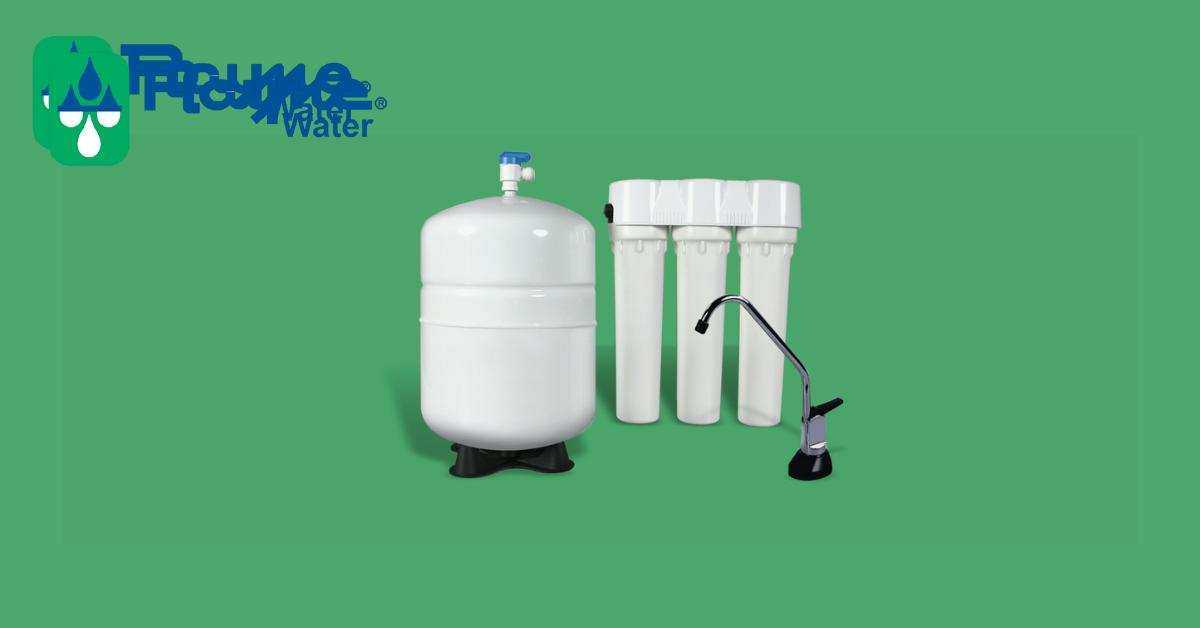
The Rayne Clear reverse osmosis system is a straightforward under-sink setup that provides a dedicated drinking-water line at the faucet, so you are not relying on a pitcher or countertop unit.
If you want RO benefits with far less wastewater, the Rayne Eradicator RO system uses significantly less water than typical RO systems, making it a practical fit for drought-aware Southern California homes.
RO fits best when your priority is better-tasting drinking water, not whole-home treatment.
Whole-house filtration systems
Whole-house filtration sits at your main line, so every shower, load of laundry, and glass runs through the same media. In Santa Clarita, that can mean fewer water spots and a calmer shower feel.
A carbon system targets chlorine- and chloramine-style flavors, and a presediment stage protects valves, fixtures, and appliances from grit. For a simple, salt-free option, the Rayne 10AC Carbon Filtration System filters for taste and odor across the home and is approved for brine-restricted areas.
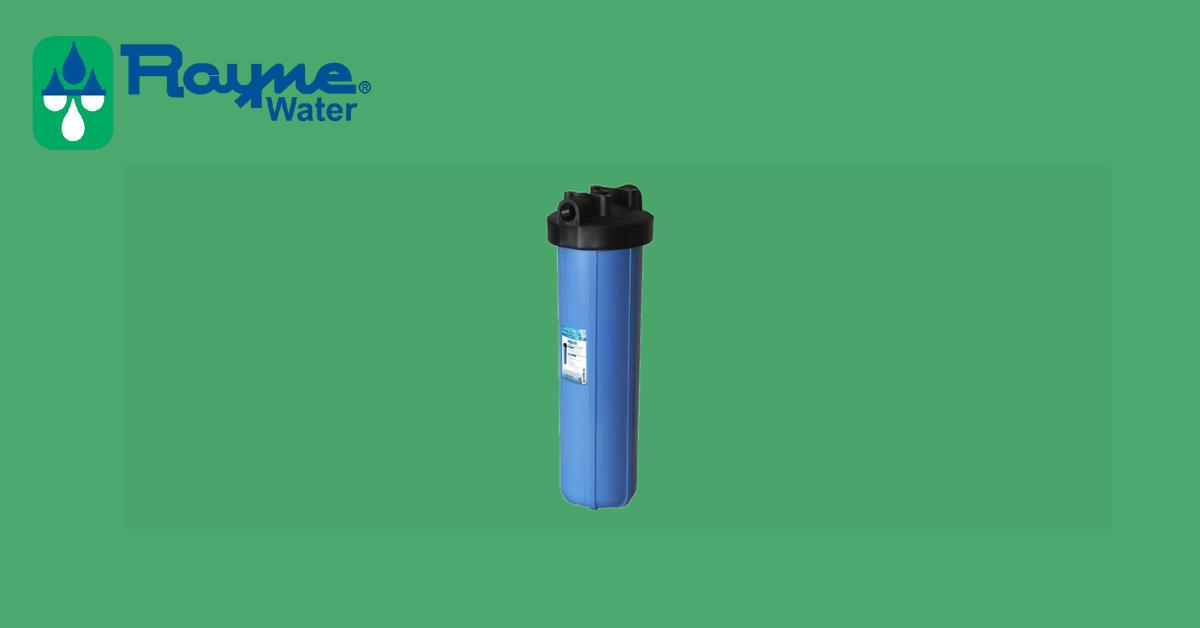
If you want an added polish layer, Big Blue whole-house filtration can run as a carbon or sediment cartridge ahead of other equipment.
Look for certifications tied to your goals, like NSF/ANSI 42 and 53 for performance claims.
Carbon filters
Carbon filtration is the taste-and-odor workhorse for whole-home water.
Installed at the point of entry, it reduces chlorine-like flavor and odor, so showers feel calmer, and drinking water tastes cleaner without a separate tap. It can also help with certain organic compounds, depending on the media and certification.
If your goal is simple, salt-free improvement, the Rayne 10AC Carbon Filtration System is built for whole-house taste and odor reduction and works well in brine-restricted areas. Pair it with sediment prefiltration if debris shows up.
UV purification (optional add-on)
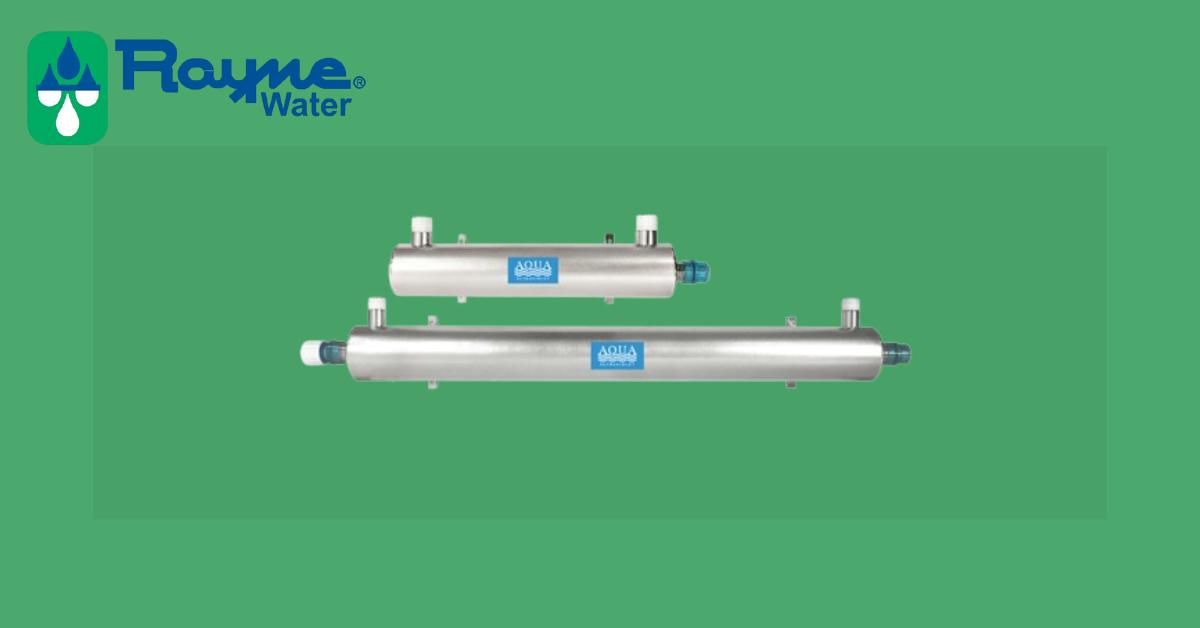
UV purification adds a safety layer by inactivating bacteria and viruses as water passes a UV lamp.
It works best as an add-on, paired with carbon or RO, since UV does not remove minerals, taste compounds, or PFAS. If your home has a private well, requires frequent plumbing work, or you want extra confidence in your drinking water, Rayne’s Ultra-Violet UV Lamp is a clean, chemical-free option.
Keep the sleeve clean and replace the bulb on schedule so output stays consistent every day.
Specialty filters for PFAS, lead, fluoride, and more
Specialty filters work best when you pick one target and verify performance. PFAS, lead, and fluoride each need media tested for that specific reduction, not a generic “covers everything” claim. California’s Water Boards publish PFAS notification and response levels, which help you decide what to prioritize.
For drinking water, a high-efficiency RO option like the Rayne Eradicator RO drinking system pairs well with the right specialty cartridges.
Salt-Free vs Salt-Based: Do You Need Both Filtration and Softening?
Option
What it improves
Targets
Does not do
Best fit
Maintenance
Santa Clarita note
Salt-free filtration (carbon, specialty media)
Taste, odor, and ” shower “feel.
Chlorine/chloramine taste, many organics, sediment (with prefilter), specific contaminants when media is certified
Does not remove hardness minerals that cause scale
You want better water at every tap without changing the mineral hardness
Cartridge or media replacement on a schedule, plus periodic checks
Great base layer when disinfectant taste or odor is the daily complaint
Salt-based softening (ion exchange)
Spotting and scale control, soap performance
Calcium and magnesium are hardness minerals
Does not “filter out” chemicals like chlorine taste the same way carbon does
You want to protect plumbing, water heater, fixtures, and appliances
Salt refills, system regeneration settings, and occasional service
Helpful when hardness runs high, Santa Clarita profiles can reach very hard levels, such as ~334 mg/L as CaCO₃
Filtration + softening together
Whole-home taste plus scale control
Disinfectant taste and odor plus hardness minerals
Not a replacement for a dedicated drinking-water RO in every situation
You want one coordinated whole-home plan that covers taste and scale
Filter media schedule plus salt schedule, bundled service plan works well
Santa Clarita Water Filtration Installation: What to Expect
A good install feels invisible. Water pressure stays steady. The system tucks into the right spot. Maintenance access is easy.
In many Santa Clarita homes, the point of entry is the garage or an exterior wall near the main shutoff. Install details depend on where your main line enters, where drain access exists (if needed), and how much room you have near the water heater and plumbing manifold.
A typical professional installation includes:
Confirming your water test results and sizing the system to the flow rate and household use
Selecting prefiltration if sediment protection is needed
Installing a bypass loop for serviceability
Adding shutoff valves and pressure considerations where appropriate
Verifying leak-free connections, flush cycles, and performance checks
Walking you through filter change intervals and service scheduling
Key Benefits of Installing a Water Filtration System in SCV
With the right setup, you gain cleaner drinking water, gentler showers, longer-lasting appliances, and lower everyday costs.
Healthier drinking water
Under-sink RO can significantly improve the taste and quality of drinking and cooking water, especially if taste and dissolved solids bother you. CDC notes that reverse osmosis can reduce a range of chemicals and stressors, and recommends checking the product label for the specific contaminants the unit is designed to remove.
Improved skin and hair comfort
If your showers feel drying or your soap never seems to rinse clean, hardness and disinfectant residual are common contributors.
SCV Water discusses chlorine-like odors and the use of disinfectants, while USGS explains that hard water minerals can react with soaps, creating scum.
A whole-house filter, plus softening or conditioning, often makes the biggest difference here because it improves the water you bathe in, not just the water you drink.
Better appliance efficiency and lifespan
Scale is the silent budget leak. It coats heating elements and narrows flow paths.
EPA’s WaterSense technical sheet notes that scale can reduce flow and efficiency, and that softeners address calcium and magnesium, which drive scaling.
Lower household costs
When you stop buying bottled water, and you reduce scale-related wear, the payback shows up in small, steady ways. Fewer replacement parts. Less descaling. Less frustration.
Why Choose Rayne Water for Santa Clarita Water Filtration?
Rayne combines long-term California water treatment experience with local support in Santa Clarita, so your recommendation matches your water and your home’s plumbing layout. The goal is simple. You get the right capacity, the right placement, and a system you can actually live with.
Local coverage matters, so start with the Rayne Santa Clarita water solutions page to see service details and scheduling options in one place.
Drinking water goals also vary. A kitchen-focused setup like the Rayne Clear reverse osmosis system fits when you want cleaner water for cooking, ice, and daily hydration without filtering every shower.
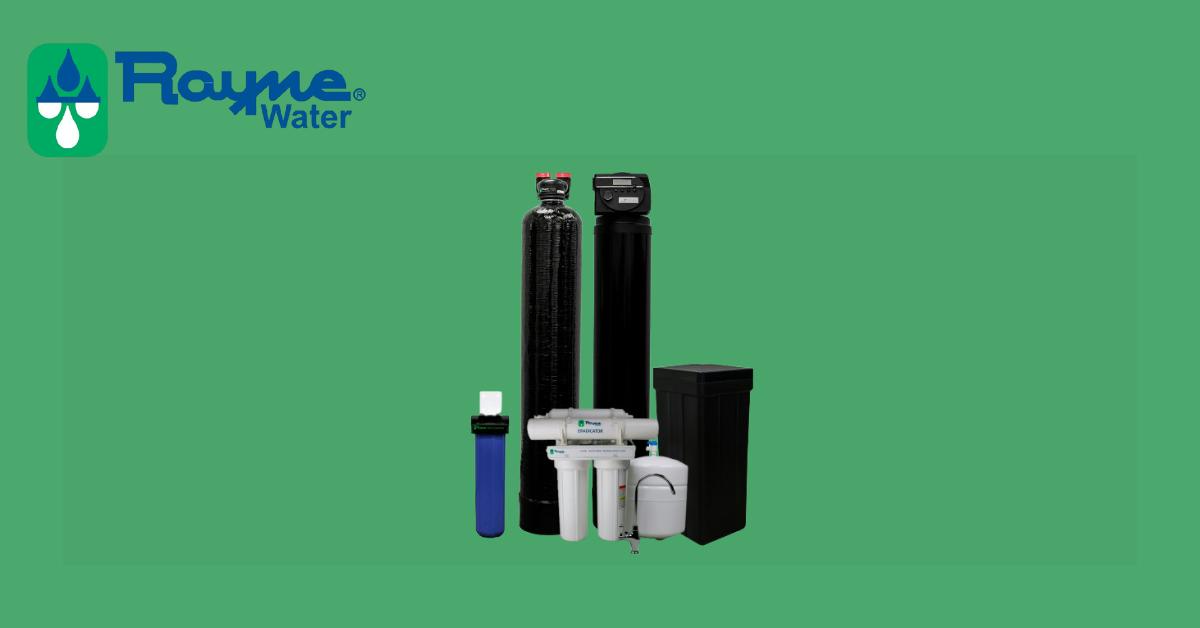
Whole-home needs look different. When you want one plan that improves taste while also controlling scale, the Rayne whole-home filtration and softening option keeps the solution coordinated and easier to maintain.
How to Get Started
Getting started is simple once you follow a clear process that turns your test results into the right system.
Step-by-step process
Book a complimentary in-home water test and share what you notice day to day, taste, spots, odor, dryness
Review the results and pick a system that matches your goals, drinking water, whole-home, or both
Confirm capacity and placement so flow stays strong and filter changes stay simple
Install professionally, flush and verify performance, and set a maintenance rhythm you will actually follow
Ready to make Santa Clarita water feel consistent again?
A water filtration system in Santa Clarita should make your water feel steady, clean, and easy to live with. Better taste. Less odor. Less spotting. More confidence each time you fill a glass or step into the shower.
You now have the decision filter. Test your water, choose the right system type, size it for your household flow, and commit to a maintenance rhythm that keeps performance reliable.
Rayne Water makes that process simple in Santa Clarita. You get complimentary testing, clear recommendations based on your results, professional installation, and support that stays available after the install.
What’s the best water filter for Santa Clarita homes?
The best choice depends on your goal. For drinking and cooking, under-sink RO is a strong fit. For better showers and laundry, whole-house carbon works well. Many homes add a water softener in Santa Clarita for scale control.
Does Santa Clarita have hard water or chemical contaminants?
Santa Clarita often deals with hard water that causes spotting, scale, and soap scum. Disinfectants can also affect taste and odor. A whole-house filter improves everyday water, while a water softener system in Santa Clarita helps protect plumbing and appliances.
How much does a whole-house filtration system cost?
Pricing depends on flow rate, media type, home size, and install complexity. A basic carbon filter costs less than a hybrid setup that includes RO or softening. The best estimate comes after a water test and a quick look at your plumbing layout.
Can I install it myself, or should I hire a pro?
Small faucet filters can be DIY, yet whole-house systems and RO installs are more technical. You are dealing with the main line, pressure, and leak risk. A professional install keeps flow strong, avoids mistakes, and makes maintenance easier.
Does Rayne offer maintenance or filter replacement plans?
Yes. Rayne offers service support and replacement scheduling so performance stays consistent. This matters because filters and membranes wear out over time. Regular maintenance helps your system keep improving taste, reducing odor, and controlling scale without surprises.
Ken Christopher is the Senior Vice President for Rayne Dealership Corporation. As a seasoned executive with over 20 years of leadership experience, he’s helped scale…
Join our newsletter
Subscribe our newsletter to receive the latest news and exclusive offers every week. No spam.


 GET A QUOTE