If your tap water smells like a pool or tastes sharp, you’re noticing leftover disinfectant and long stretches of pipe. Water filtration in San Diego lets you dial those cues back so showers feel softer, and drinks taste cleaner today.
Because local water supplies are blended and change seasonally, what’s a problem in one home may not be an issue in another. The best system for your needs depends on what you want improved, where you want it, and how much upkeep fits your routine.
We’ll compare whole-home and under-sink options, plus flow, space, and filter life, so your choice fits. For local help, start with Rayne Water.
Why Water Filtration Is Important in San Diego
San Diego sits at the end of a long pipeline, so your tap water can start miles away. Blended supplies shift through the year, and the taste you notice at home right now can shift with them.
The San Diego County Water Authority explains that the region draws heavily from the Colorado River, with support from Northern California and local sources. The City Report notes that most imports arrive as a Colorado River and State Water Project blend, with under 10% arriving as treated blends from facilities such as Skinner, Twin Oaks Valley, and Carlsbad.
Municipal treatment is designed to make water safe for a large population by changing source conditions over many miles of pipe. Home filtration plays a different role.
It helps you customize water for comfort, taste, and targeted reduction goals at your fixtures or your kitchen tap.
Signs You Need a Home Water Filtration System
Some signs are obvious. Others show up as daily annoyances that repeat, and the pattern matters.
Here are the clues, plus what they indicate:
A chlorine-like taste or smell, especially in hot water, often indicates disinfectant residuals used to keep water safe during distribution. CDC explains why utilities use chlorine and chloramine and notes that the allowed residual levels are considered safe while still noticeable to some people.
Cloudy water or specks: Sediment after hydrant flushing, main repairs, or plumbing work.
Grit in aerators and spots on glassware: Particles can collect at fixtures and stress valves, and appliances.
Dry, tight skin after bathing: Disinfectant character and fine sediment can make water feel harsher.
A water test with results you dislike: It tells you what to target, so you buy filters with purpose.
How to Choose the Right System for Your Home
Choosing a water filtration system in San Diego feels simple when it aligns with how you use water each day. Decide if you want improvement at every faucet or only at the kitchen tap.
Whole-home filtration supports showers, laundry, and smell. Point-of-use keeps the footprint small while focusing on drinking and cooking water. A water test keeps this grounded, since San Diego’s blend shifts throughout the year and the city adjusts treatment accordingly.
Whole home comfort and odor control: choose a whole-house water filtration system in San Diego.
Kitchen-only taste upgrades: choose an under-sink carbon or RO.
Busy households: confirm flow rate and capacity match peak demand.
Tight installs: measure cabinet, garage, or side-yard clearance.
Low hassle: pick maintenance you will actually keep up with.
Types of Water Filtration Systems for San Diego Homes
Most homes end up choosing between treating every faucet or treating one drinking tap really well.
The right pick depends on where you want to feel the change, how much space you have, and how hands-on you want maintenance to be.
In San Diego, disinfectant residuals can be noticeable, since chloramines are used in the distribution system, so whole-home carbon is often chosen for comfort, while under-sink systems focus on taste and targeted reduction at the kitchen sink.
Here’s a clean comparison map to help you spot your best fit fast.
Sediment + disinfectant taste/odor, sometimes VOCs, depending on media
Does not “purify” drinking water like RO; performance depends on correct sizing and media
Periodic prefilter changes; media lifespan depends on usage and water profile
Under-sink carbon/ultrafiltration (point-of-use)
One tap, usually kitchen
Better-tasting drinking and cooking water with a low footprint
Taste/odor polishing; claim depends on certification
Treats one location only; not a whole-home comfort fix
Cartridge swaps on schedule; easy access under the sink
Reverse osmosis
Under-sink, dedicated faucet
High-level treatment for drinking and cooking water
Broad reduction capability when properly maintained; NSF/ANSI 58 applies to RO systems
Treats one tap; produces reject water and needs space for the tank
Multi-stage cartridge changes plus membrane replacement; some systems can waste about 1 gallon per gallon treated
Countertop/pitcher
Counter or fridge
Renters, small spaces, short-term upgrades
Basic taste improvements depending on the cartridge
Limited capacity and scope; not ideal for whole-home goals
Frequent cartridge changes; performance drops when filters are overdue
Rayne Water’s Recommended Filtration Options
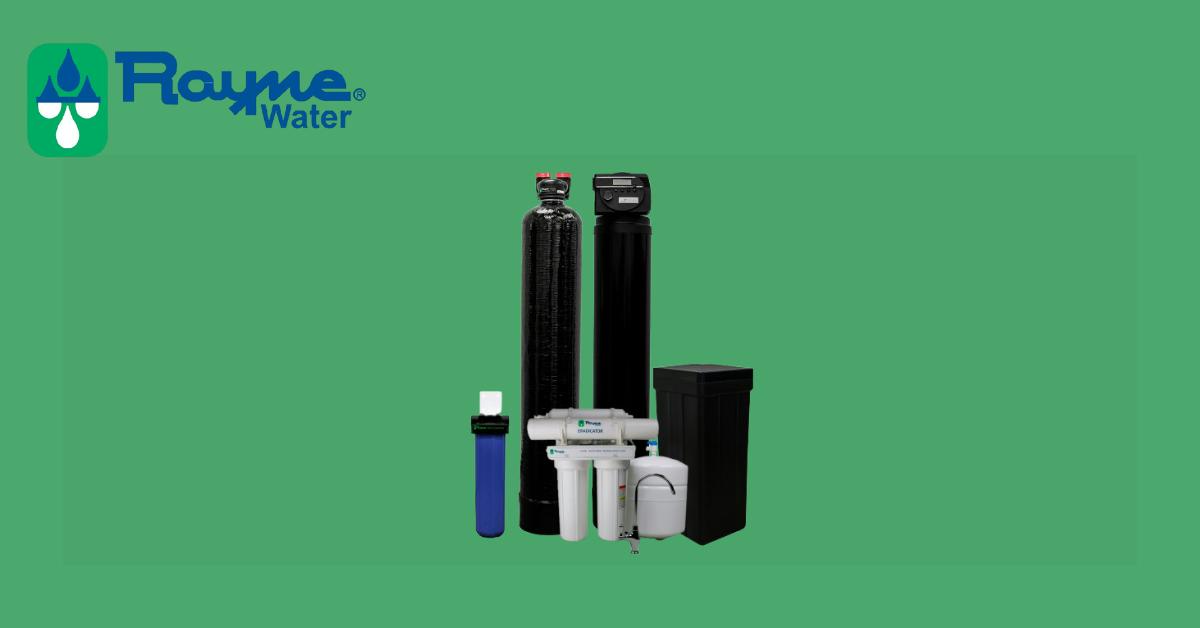
Pick a Rayne water filtration system in San Diego by goal: whole-home comfort, kitchen RO purity, or softening-plus-filtration.
Rayne Clear System: Whole House Water Filtration
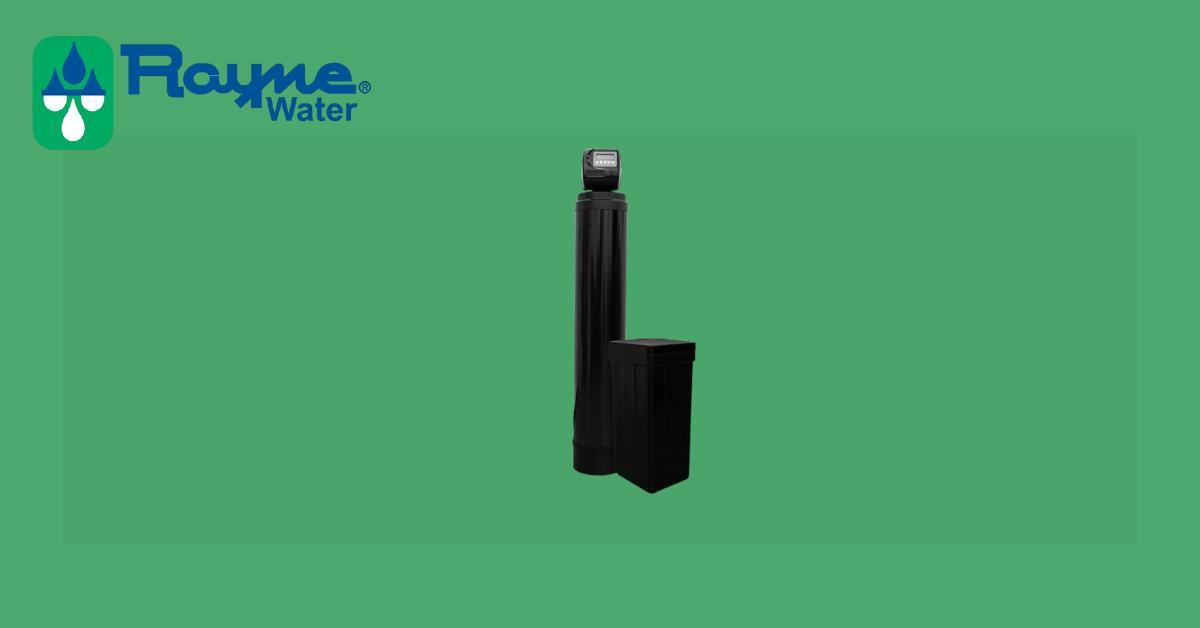
For whole-home odor and chlorine control, our Clear approach leans on two workhorses: the Rayne Enhancer carbon conditioner and Big Blue Filtration for cartridge-based carbon or sediment protection.
Both are sized for high flow, so showers and laundry feel better, not restricted.
Enhancer runs without salt, electricity, a drain, or water waste, while Big Blue helps catch grit after line work.
Together, this is a strong whole-house water filtration system for daily use in San Diego.
Rayne Pure: Reverse Osmosis System
The Rayne Eradicator is the under-sink RO option when your priority is drinking and cooking water that tastes clean, plus better ice.
It uses sediment, carbon, and post-carbon filtration, along with a reverse osmosis membrane, to reduce TDS by 93–97% and contaminants such as arsenic, nitrates, sodium, copper, lead, and municipal additive fluoride.
It also includes a water-saving automatic shut-off and is designed to use 75–95% less water than many other RO systems, with 36, 50, and 75 GPD capacity options.
Maintenance stays straightforward with filters that can last up to two years and a membrane that can last up to three years. Warranty coverage includes 10 years on the system (excluding filters, membrane, and labor) and one year on the RO membrane.
Rayne Combo: Water Softener + Filtration Hybrid
Guardian 1250 is a true combo for homes that want a soft water feel plus whole-home taste and odor improvement. It pairs 1.25 cubic feet of softening resin with 0.25 cubic feet of FILTREX carbon, so you see fewer spots and scale while also reducing chlorine and chloramines.
A blending valve lets you tune the water feel, and on-demand regeneration helps save water and electricity. It is a practical all-in-one with a compact footprint when space is limited.
What Contaminants Should San Diego Homeowners Be Concerned About?
This is where clarity matters. “Contaminants” is a broad term, and your filter choice should address a specific concern.
Here are the common categories that show up in conversations about water filtration in San Diego, along with how to think about them:
Chlorine and chloramine: Disinfectants used to control microbes. If you notice a “pool” taste or hot-water smell, you’re reacting to residual disinfectant, not dirt.
Disinfection byproducts: Compounds that can form when disinfectants react with natural organic matter. These are measured and reported because they relate to long-term exposure rather than immediate taste.
Fluoride: Added for dental benefits in many systems. Some homeowners keep it, others prefer to reduce it, which usually points you toward more advanced point-of-use options.
VOCs: A broad group of organic chemicals with specific limits and testing requirements. If your concern is chemical reduction beyond taste, you want a system with clear performance claims.
Lead and metals: Often linked to household plumbing materials, fixture components, or older internal lines, so point-of-use filtration at the kitchen tap is a common strategy.
Nitrates: Typically associated with runoff and regulated with defined limits. If nitrates are a concern, your filter choice should be tied to verified reduction capability.
Understanding Filter Certifications and Quality Standards
If you only remember one thing while shopping, remember this: certifications tell you what a system is tested to reduce. Marketing language is flexible. Standards are less flexible.
Here’s the homeowner-friendly cheat sheet:
Standard
What it’s commonly used to claim
Where you see it
NSF/ANSI 42
Aesthetic improvements like chlorine taste and odor
Carbon filters, many whole-house systems
NSF/ANSI 53
Health-related contaminant reduction claims (varies by product)
Many certified under-sink filters
NSF/ANSI 58
Reverse osmosis systems, including TDS reduction and specific claims
Materials that are safe and food-safe, because what touches your water matters.
Flow rate and capacity that match your household, because a “great” filter that chokes your shower pressure will not feel great.
Cost of a Water Filtration System in San Diego
Costs vary because you are buying both equipment and a reliable way to keep it performing. Your water goals, home layout, and flow demand shape the total.
You can think in bands:
Pitchers and countertop units: low upfront cost, no plumbing, small capacity, frequent cartridge swaps.
Under-sink filtration: compact install at one tap, steady flow for drinking and cooking, routine filter changes.
Reverse osmosis: multi-stage under-sink system plus membrane replacement, higher upkeep, strong single-tap treatment.
Whole-home filtration: installed at the main line, sized for household flow, higher upfront cost, protects fixtures and appliances.
Plan total cost as equipment + installation + yearly filters, plus optional service.
Installation and Maintenance Expectations
A professional install should feel organized and calm. You should know what’s happening, why it matters, and what will be tested before anyone packs up.
For a whole-house setup, the installer confirms main line access, securely installs the prefilter and tank, flushes the media, checks for leaks, and verifies flow at multiple fixtures. This is also where pressure and bypass settings get dialed in, so the system works with your plumbing, not against it.
Under-sink and RO installs focus on cabinet clearance, a clean cold-water connection, drain routing where needed, and a dedicated faucet that sits neatly at the sink.
Maintenance stays predictable with a water filtration system in San Diego:
Replace sediment and carbon filters on schedule to prevent clogging and taste creep.
Treat RO membranes as long-life components, yet plan replacements to maintain consistent performance.
For local service details, see our San Diego page.
Environmental Benefits of Home Water Filtration
If filtration helps you stop relying on single-use bottles, the environmental impact can be meaningful.
Recycling helps, yet it is not perfect in practice. According to EPA’s materials and recycling data, PET plastic bottles and jars had an actual recycling rate of 29.1% in the U.S., indicating that many bottles still end up as waste.
Home filtration supports a different habit: refill what you already own.
If you want to make this easy on yourself, pair filtration with a reusable bottle you actually like holding. It sounds small, yet it’s the kind of change that sticks because it fits your daily routine.
Checklist: Choosing Your Water Filtration System
Use this checklist as your decision filter before you buy anything. It keeps you focused on measurable needs, not marketing.
Confirm what’s in your water. Use a recent water quality report from your provider and, if possible, conduct a home test to determine what to reduce and what to ignore.
Decide on coverage. Whole-home systems improve every faucet, including showers and laundry faucets, while point-of-use systems focus on drinking and cooking water at a single tap.
Measure install space. Whole-house systems need access at the main line and room for tanks or housings, plus clearance for filter changes and service.
Match flow to your household. High-demand homes need enough flow rate so showers, laundry, and dishwashers can run without pressure drops.
Choose maintenance you will keep up with. Cartridges need scheduled changes, and RO systems add membrane replacement, so pick a routine that fits your habits.
Check if hard water is part of the problem. Filtration improves taste and odor, while softening targets scale and spotting, so combos make sense when both show up.
Name your main goal. Taste and odor, appliance protection, skin comfort, or a specific reduction target, such as fluoride or nitrates, should guide the system type and certifications you prioritize.
FAQs
Do I need a whole-house system if I only care about drinking water?
If your concern is only taste and cooking, an under-sink unit usually fits best. A whole-house water filtration system in San Diego makes sense when shower smells, laundry odor, and hot-water comfort also bother you daily.
Is chloramine in San Diego water dangerous, or just annoying?
For most homes, it shows up as a taste or shower odor, not a crisis. Water filtration in San Diego often targets chloramine for comfort, especially with whole-home carbon, since you experience it at every faucet and in hot water.
What filter certifications should I look for if I want real proof?
Look for certifications tied to the claim you care about, not a generic badge. A quality water filtration system in San Diego will list tested standards for taste and odor, plus any health-related reduction targets you prioritize.
Does reverse osmosis waste a lot of water?
RO uses water to flush away what it removes, so some rejected water is normal. Many families accept the trade because RO treats only one tap, while a whole-house water filtration system in San Diego handles comfort.
Get Started with Rayne Water in San Diego
If you want a plan that feels tailored instead of generic, start where the guesswork disappears. Water filtration in San Diego can look simple online, but your home’s plumbing, space, and daily water habits decide what will actually feel better.
A smart starting point is a quick water test paired with an install reality check. We look at what you notice (taste, odor, shower feel), how your home is set up (mainline access, cabinet space), and the kind of flow your household needs, so you avoid buying a system that fights your lifestyle.
Local support matters, too, because filters are only “the best” while they’re maintained. Our San Diego team helps you match the right system type to your priorities, plan the install cleanly, and keep maintenance predictable so performance stays steady.
If you want to talk it through without pressure, keep it simple and reach out via contact us. We’ll help you choose a setup that fits your home, your budget, and the way you use water every day.
Ken Christopher is the Senior Vice President for Rayne Dealership Corporation. As a seasoned executive with over 20 years of leadership experience, he’s helped scale…
Join our newsletter
Subscribe our newsletter to receive the latest news and exclusive offers every week. No spam.


 GET A QUOTE