You can spot Santa Barbara’s hard water before any test. The shower glass films over, the laundry feels stiff, and depending on your source, it can run past 40 grains per gallon.
A softener is the fix. The catch is that Santa Barbara plays by different rules than most California cities.
Because salt strains the recycled water this region relies on, the City asks you to soften with potassium chloride and demand-initiated systems, not sodium. So fit matters here. At Rayne Water, we help you choose the water softener Santa Barbara, CA homes trust, starting with a free in-home test.
Key Takeaways
Your water is very hard, running 18 to 45 grains per gallon from groundwater and 22 to 29 from surface water.
Since salt strains local recycled water, the City asks you to use potassium chloride and demand-initiated softeners over sodium.
A salt-based Santa Barbara water softener delivers true soft water, while a salt-free conditioner reduces scale without removing minerals.
If brine rules apply where you live, Portable Exchange Tank Service stays compliant because the resin is regenerated off-site.
You also get free in-home testing, professional installation, and ongoing service from Rayne across the South Coast.
What Makes Santa Barbara Water Hard?
Santa Barbara’s hard water starts with the ground itself.
The City’s Water Resources Laboratory explains that this stretch of coast was once an ancient seabed, so the limestone it left behind loads your local groundwater and reservoirs with minerals.
That’s why your hardness depends so heavily on the source feeding your block.
Groundwater runs 18 to 45 grains per gallon, and local surface water averages 22 to 29, both squarely in the very hard range. Desalinated water is the exception at 2 to 3 grains, yet it covers only a slice of the supply, so most homes still see hard water at the tap.
Mineral Content in Local Water
That same limestone is the source of the minerals in your water. As water moves through the local ground and reservoirs, it picks up calcium and magnesium, the two minerals that make water hard, and carries them to your tap.
How much shows up depends on which sources the City is drawing from, and where you live in the city. The City blends Lake Cachuma, Gibraltar Reservoir, local groundwater, imported State Water, and desalinated supply.
Since those sources range from very hard groundwater to soft desalinated water, your hardness shifts as the mix changes.
Signs You’re Living with Hard Water
Hard water rarely announces itself. Instead, it shows up as small, repeating frustrations around your home, and once you know the pattern, you start seeing it everywhere.
Watch for these signs:
Crusty white scale builds on faucets, showerheads, and inside your kettle.
Soap and shampoo that won’t lather well, plus a film left on the shower walls.
Cloudy spots on glasses and dishes, even after a full wash and dry.
Dry, itchy skin after a shower and hair that looks dull or flat.
Stiff, faded laundry that stays that way no matter how much detergent you add.
Water pressure that slips over the years as scale narrows your pipes.
None of these is proof on its own. Still, if a few describe your home, hard water is the likely cause, and a quick in-home test gives you the exact grain count.
Key Facts for Santa Barbara Homeowners to Know
Before you choose a water softener for Santa Barbara, CA homes, lock in a few facts first.
And if you’re in the Carpinteria service area, that district’s 2024 water quality report fills in your local numbers.
Santa Barbara’s water is very hard, 18 to 45 grains per gallon from groundwater and 22 to 29 from surface water.
Softening protects your plumbing and appliances, and helps reduce repair costs by curbing scale.
Your Santa Barbara water softener options, salt-based, salt-free, or portable exchange, scale to your household and the local salt guidance.
Rayne installs and services softening, filtration, and brine-compliant systems across the South Coast.
Professional installation keeps your system aligned with the City’s potassium-chloride and softener guidance and protects your warranty.
Common Types of Water Softener Systems
Choosing the right water softener for your Santa Barbara home starts with knowing the three main types. Each one tackles hard water in its own way, so each comes with a different cost, install footprint, and maintenance rhythm.
That difference is exactly what decides which fits your home, and Santa Barbara’s salt guidance narrows it further. So once you see how the three compare, the right call gets a lot clearer.
Salt-Based Ion Exchange Softeners
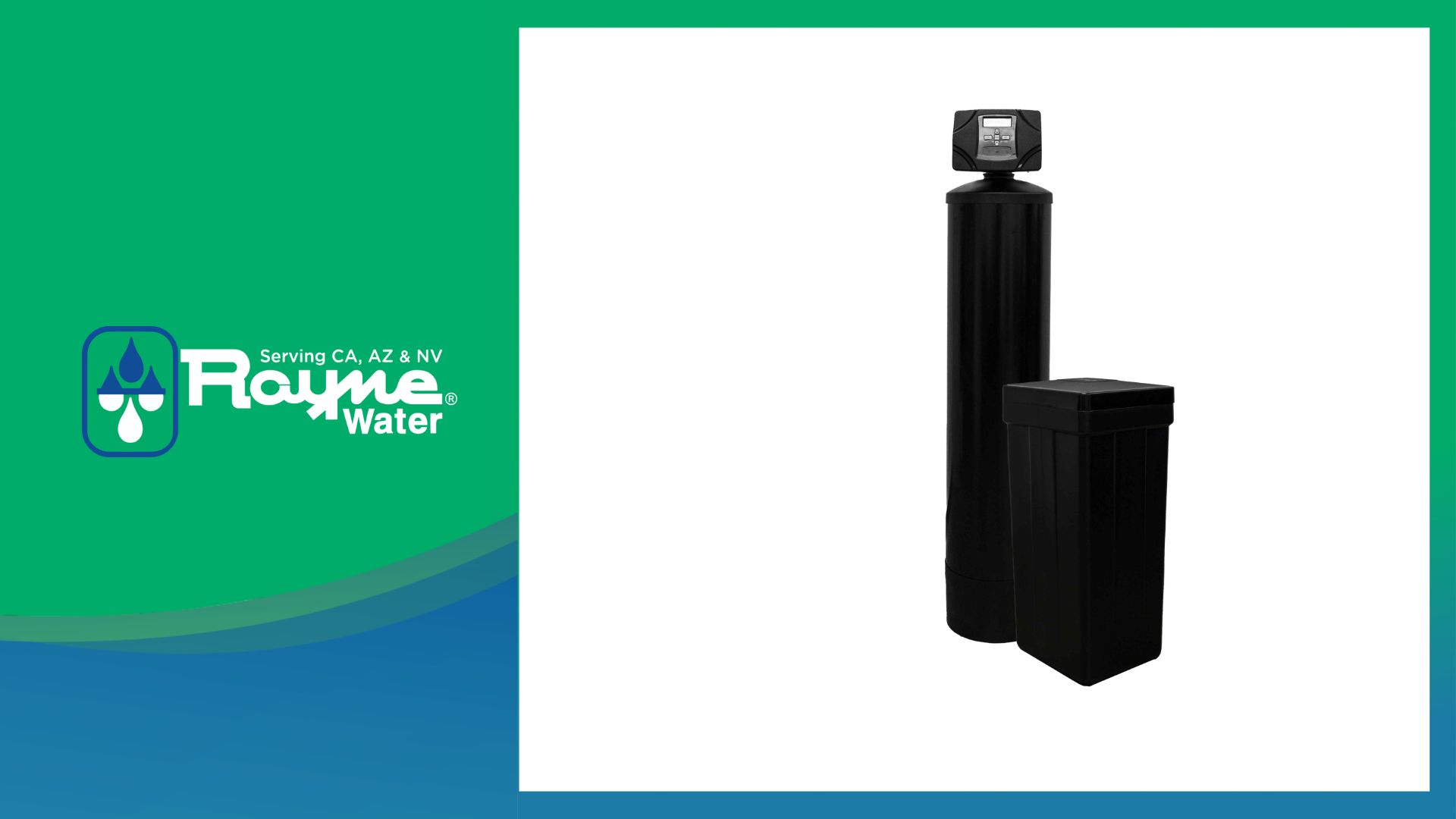
Salt-based softeners are the proven way to actually strip hardness out of your water, not just tame it. Inside the resin tank, calcium and magnesium trade places with sodium and stay locked to the beads, so every tap runs soft.
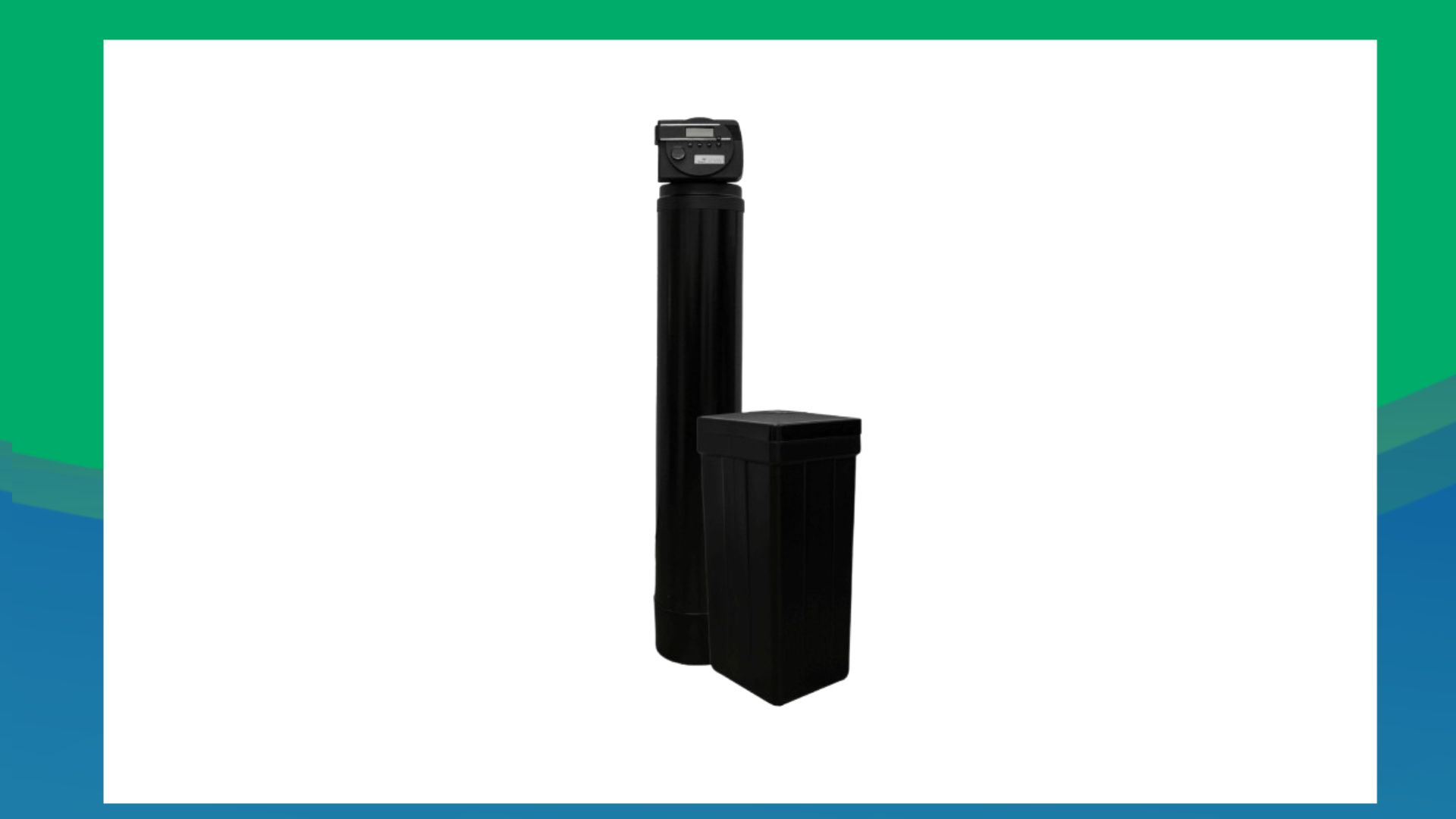
Here in Santa Barbara, that’s where the regenerant matters. The City asks you to use potassium chloride and demand-initiated softeners, and Rayne’s Versa Series fits that request, since its flow meter regenerates only when your usage calls for it, which reduces salt and water use.
Pros:
You get true soft water at every tap.
A metered valve regenerates on demand, which keeps it running efficiently.
Cons:
You handle ongoing potassium or salt refills.
The system discharges brine during regeneration, and local rules apply.
Salt-Free Water Conditioners
Salt-free conditioners take a different route.
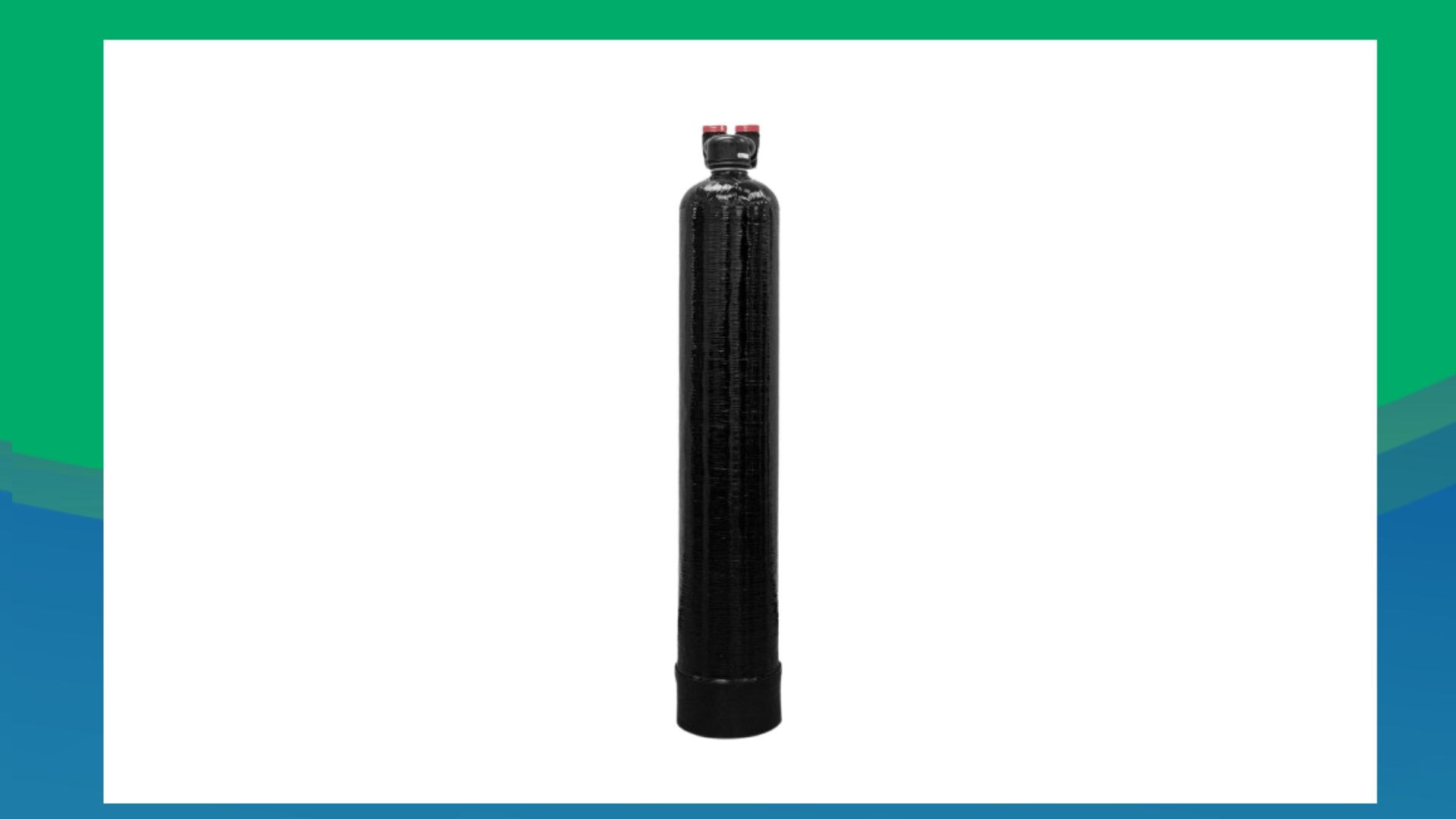
Instead of removing hardness, they restructure calcium and magnesium into tiny crystals that stay suspended and won’t cling to your pipes or fixtures. The common method is template-assisted crystallization (TAC), which is well-suited to a brine-sensitive area like Santa Barbara because nothing is discharged.
That’s exactly the technology behind Rayne’s Enhanced Scale Shield, which pairs TAC scale protection with carbon filtration, so you also cut chlorine, taste, and odor while running no salt at all.
Pros:
You skip salt, brine, and regeneration cycles entirely.
You keep your water’s natural minerals while still blocking scale.
Cons:
You miss the slippery feel of truly softened water.
You see less effect on very hard supplies, and results depend on the system.
Dual-Tank Systems
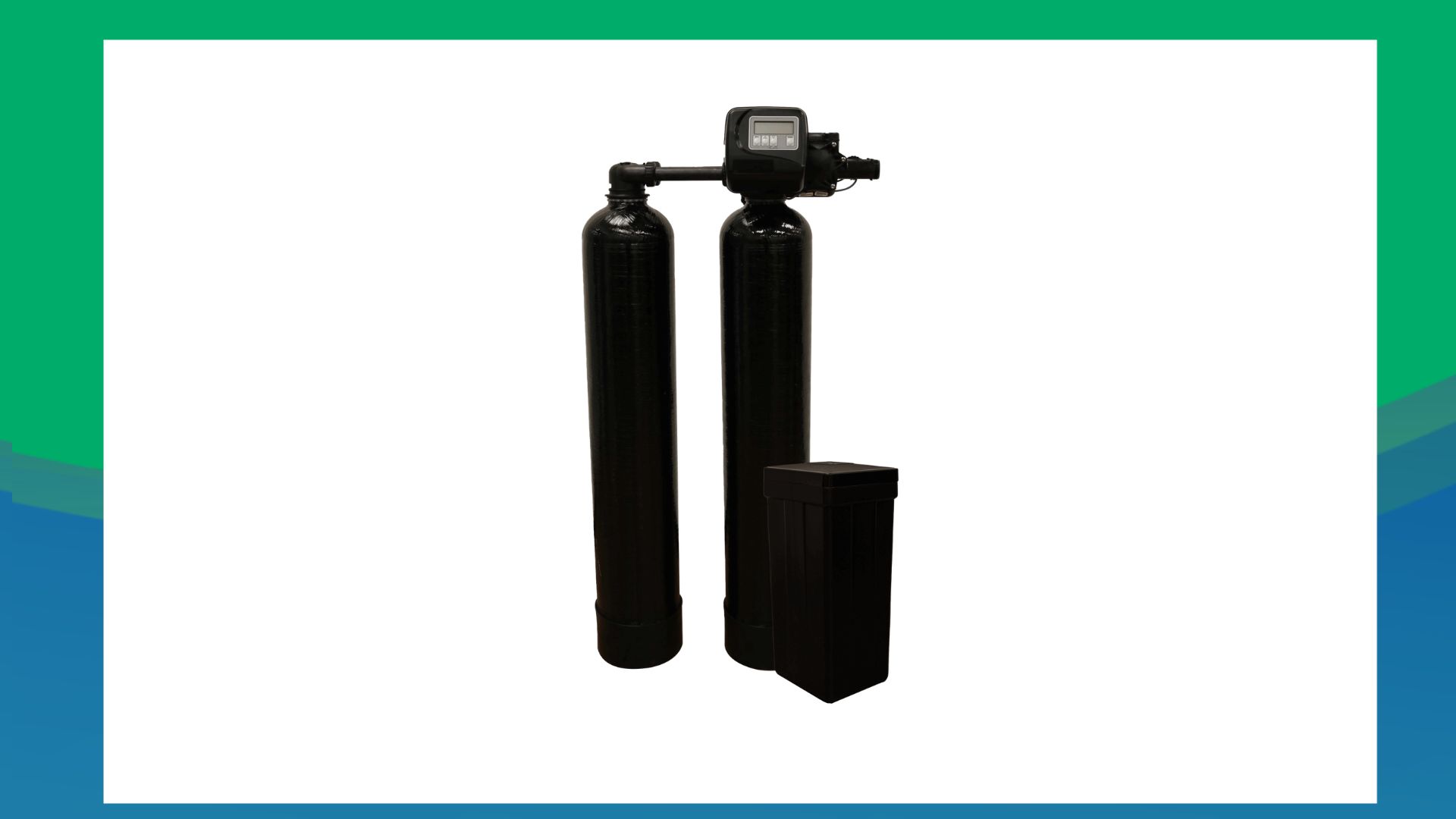
Dual-tank systems are available for homes that can’t pause regeneration. Most softeners go offline while they recharge, but a dual-tank setup keeps one resin tank working while the other resets, so soft water never stops at your taps.
That continuity is what makes them fit busy Santa Barbara households, multi-bath homes with a morning rush, and those running tankless heaters that need a steady flow. Rayne’s Infiniti Series is built exactly this way, with two tanks and a flow meter that regenerates only on demand, so you stay efficient while large households up to 5,000 square feet keep constant soft water.
Pros:
You get nonstop soft water, even during regeneration.
On-demand regeneration keeps salt and water use down.
Cons:
You pay more up front for the second tank.
The system takes up more floor space than a single tank.
How to Choose the Right Water Softener for Your Santa Barbara Home
Choosing the right water softener for your Santa Barbara home comes down to four practical steps, and each one builds on the last. Answer them in order, and the right system nearly picks itself.
Rush it, though, and the math turns against you. Oversize, and you pay for capacity you’ll never use. Undersize, and you run short on soft water just when you need it.
Test Your Water
Every other decision rests on your real numbers, so this step comes first.
A test gives you your exact hardness in grains per gallon, plus your TDS, chlorine residual, and anything else worth treating alongside the softener.
That’s why guessing rarely pays off here. You can book a free in-home test with your local Rayne team, and a technician runs the full analysis on the spot. Store-bought strips work for a rough peek, but an in-home test moves you straight to a real recommendation.
Match the System to Home Size and Demand
Once you know your hardness, your household sets the rest of the sizing. The logic is simple, because higher hardness, more people, and heavier daily use all push you toward more grain capacity.
Santa Barbara adds a twist, though. Since your water can run very hard, you often size up rather than down. A smaller home may do fine on Rayne’s 30,000-grain Versa, while a large household leans toward the 45,000-grain Infiniti.
Peak flow matters too, so count the fixtures running at once on a busy morning and pick a system rated for that surge.
Compliance and Environmental Considerations
Here in Santa Barbara, recycled water is central to the long-term supply, and salt in wastewater affects how freely that recycled water can be reused.
The State Water Board’s recycled water program lays out why the state treats it as a core resource, and local guidance turns that into the City’s potassium-chloride and demand-initiated softener requests.
So if you sit in a brine-restricted area, or you simply want to skip the salt logistics, Rayne’s Portable Exchange Tank Service sidesteps the issue, since its resin regenerates offsite at our facility and discharges no brine at your home.
Installation Best Practices
Installation decides whether all that sizing actually pays off.
Your softener goes downstream of the main shutoff and upstream of the water heater, with a drain line for regeneration and a dedicated outlet for the control valve.
Local plumbing codes also add their own rules. Watch for these requirements:
Backflow prevention to protect your drinking supply.
A bypass loop so you can isolate the system for service.
Beyond the code, our installers know the City’s salt guidance and the quirks of older South Coast homes, where utility closets run tight. Professional installation also keeps your manufacturer’s warranty intact.
Benefits of Installing a Water Softener in Santa Barbara
A water softener pays for itself in small wins that stack up across years in your home.
Some show up within days, others quietly save you money for as long as you own the place. That early payoff usually starts in the bathroom and kitchen, where you spend most of your time with water. Here’s where you’ll feel the difference first.
Save on Repairs and Extend Appliance Lifespan
Scale is the quiet budget-drainer in a hard-water home.
It builds up on your water heater’s heating element, narrows your pipes over the years, clogs dishwasher spray arms, and shortens the life of your washing machine, ice maker, and other water-using appliances.
A softener cuts the problem off at the source. Once the calcium and magnesium are gone, scale stops forming, so your appliances run the way they were designed to and last closer to their full lifespan.
Improved Skin, Hair, and Laundry Results
Soft water rinses away cleanly, so you skip that tight, itchy feeling after a shower. Your hair feels smoother too, since there’s no mineral film left clinging to it.
Laundry gets the same lift, because your detergent actually cleans instead of wasting itself binding to calcium. That’s why many Santa Barbara homeowners notice softer towels and better shower comfort within days of installation.
Lower Utility Bills
Scale works like insulation on your water heater’s element, so the heater burns more energy to deliver the same hot shower. Strip that scale away, and your heater runs near its rated efficiency again, trimming gas or electric use over time.
Soft water also helps you wash well in cooler water with less detergent, so the savings stack up month after month. That efficiency aligns with the City’s own priority, as its 2024 Water Supply Management Report treats conservation as a core tool for balancing supply and demand.
Boost in Home Value
A built-in water system can also work in your favor when you sell.
In a hard-water region like Santa Barbara, whole-home softening and filtration read as genuine upgrades, and a professionally installed setup with service records signals a home that’s been well cared for.
That kind of documentation gives buyers confidence, since they can see the system was maintained rather than neglected.
It won’t carry a sale on its own, but it’s one more reason a careful buyer leans your way.
Why Santa Barbara Homeowners Choose Rayne
Santa Barbara homeowners pick Rayne because local know-how meets nearly a century of water experience, all tuned to a brine-sensitive area.
Service since 1928, with over 90 years spent solving California’s water challenges.
Systems made in the USA, customizable to your home, and backed by extended and lifetime service options.
A free in-home water test up front, plus a post-install re-test to confirm your system performs.
Brine-friendly choices, from salt-free conditioners to Portable Exchange Tank Service that regenerates offsite.
No contracts and no commitments, so you stay because the water’s right, not because you’re locked in.
Getting Started with Rayne Water
Going from “I think we have hard water” to “the system is running” takes less time than most homeowners expect. Usually, it moves in a few simple steps, with no pressure to commit along the way.
The reason it stays simple is that your in-home test does the heavy lifting early, so every choice after it follows from your real numbers. Here’s how it plays out once you reach out.
Schedule a Free Consultation
Booking takes a couple of minutes, online or by phone, and a Rayne technician comes to your home when it suits you. They run an on-site water test and walk you through the results in plain language, with no obligation and no hard sell.
That last part matters. If your water doesn’t actually need treatment, we’ll tell you, because the test decides, not a sales target.
Personalized Product Selection & Installation
Once your numbers are in, we match a system to your household demand, your install location, and the City’s salt guidance.
That last piece carries real weight on the coast, since the state’s recycled water policy aims to maximize reuse in coastal and overdrafted areas, and keeping salt out of wastewater makes that reuse possible.
From there, our own technicians handle the installation, ensuring quality remains consistent from the test to the final connection.
Is Your Home Ready for Softer Water?
A water softener Santa Barbara CA homeowners install ranks among the smartest upgrades you can make.
You get less scale, lower energy bills, softer skin and hair, longer appliance life, and a system that respects the City’s potassium-chloride and softener guidance. The right fit comes down to your water and your household, so start with a quick free in-home test.
Once your numbers are in, find your local Rayne team and let our Santa Barbara experts size and install the right one for you.
FAQs
How hard is the water in Santa Barbara?
Santa Barbara water is very hard, and it varies by source. Groundwater runs 18 to 45 grains per gallon, surface water from Lake Cachuma and Gibraltar sits at 22 to 29.
The City blends these, so your exact reading shifts by season and service area, which a test confirms.
Do I need a salt-based or salt-free water softener?
It depends on your priorities and your area’s brine rules.
A salt-based Santa Barbara water softener removes calcium and magnesium through ion exchange for true soft water, though the City asks you to regenerate with potassium chloride.
Salt-free conditioners cut scale without removing minerals and discharge no brine. A free in-home test helps you choose.
How much does installation cost in Santa Barbara?
The cost of a water softener installation in Santa Barbara, CA, depends on several factors: the system you choose, labor, and any drain or outlet work your home requires.
Dual-tank systems cost more upfront, while Portable Exchange Tank Service spreads the cost into a monthly fee. Your free in-home test includes an exact quote.
Will a softener remove chemicals or contaminants?
Mostly no. A softener targets hardness minerals, calcium, and magnesium, and can reduce some dissolved iron, but it isn’t a contaminant filter.
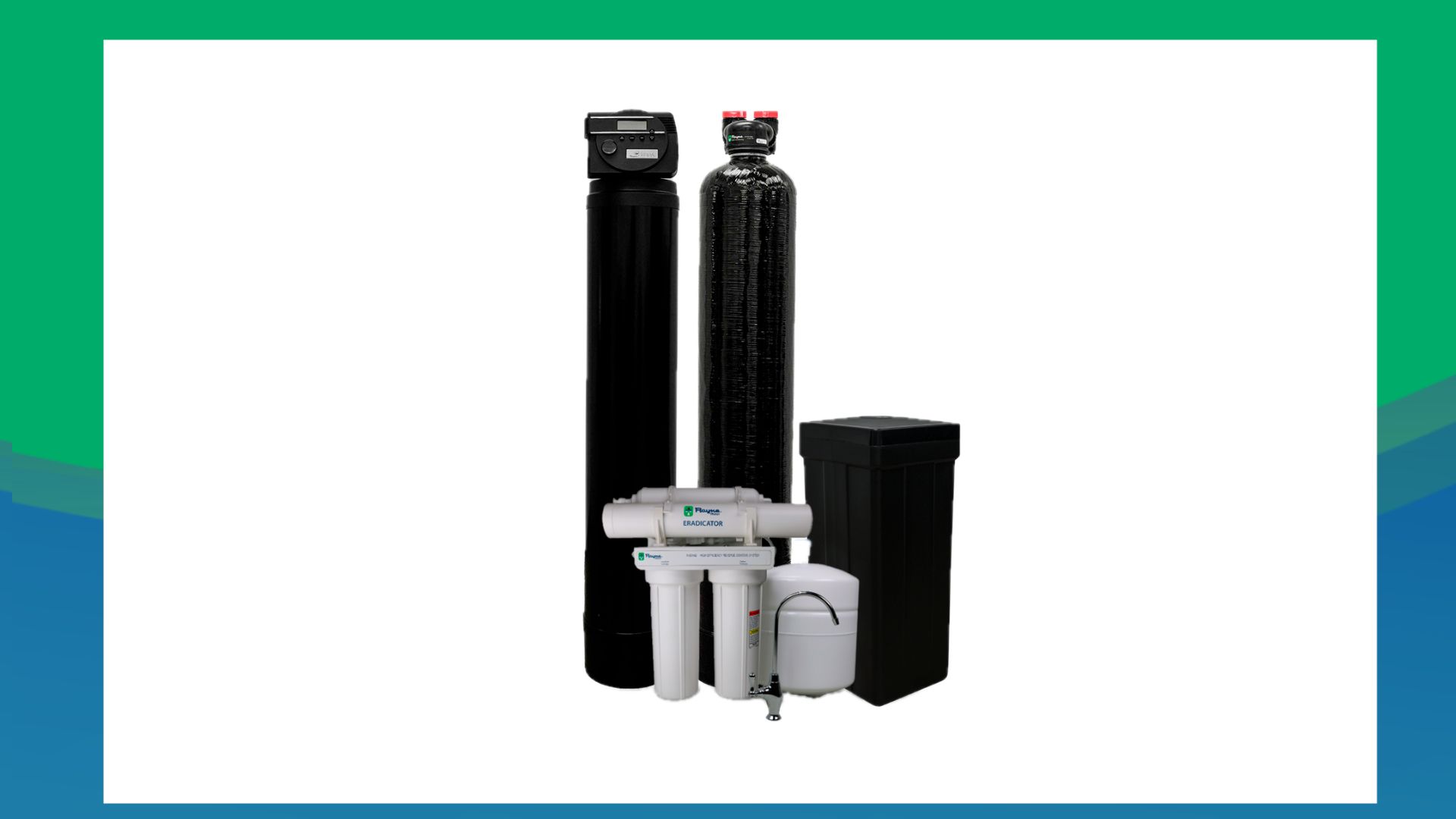
It won’t remove chlorine, nitrates, or microbes, so many Santa Barbara homes add a whole-house carbon filter for chlorine taste and an under-sink reverse osmosis unit for drinking water. Your test shows what you need.
Does Rayne offer maintenance plans or salt delivery?
Yes. Rayne offers ongoing maintenance and service, including system checks and help whenever something needs attention.
On the Portable Exchange Tank Service, maintenance is included, since we deliver fresh resin tanks on a 7-, 14-, 28-, or 56-day schedule and regenerate the exhausted ones offsite. Your local team can set the right schedule for your home.
Ken Christopher is the Senior Vice President for Rayne Dealership Corporation. As a seasoned executive with over 20 years of leadership experience, he’s helped scale…
Join our newsletter
Subscribe our newsletter to receive the latest news and exclusive offers every week. No spam.


 GET A QUOTE