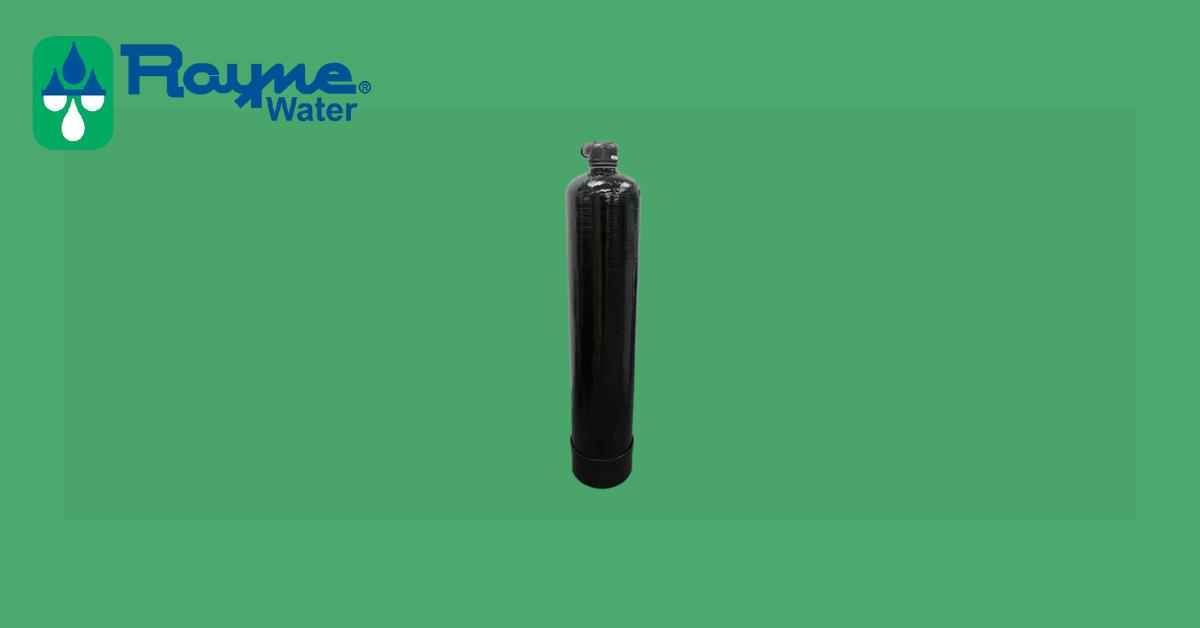
Hard water in Los Angeles shows up on glassware, shower doors, and inside water heaters.
The right setup looks different for a single-family home, a condo building, a property portfolio, or a commercial or industrial site where equipment runs all day.
Because LA supply blends vary by neighborhood and season, the best plan starts with your water profile and installation constraints.
This guide breaks down what to treat, which filtration and conditioning options make sense, LA costs, and what maintenance takes. You’ll also see how Rayne Water systems, including whole-house filtration, under-sink RO, and portable exchange, fit most LA scenarios.
Why Los Angeles Homes Need a Water Softener
Los Angeles’ hard water carries calcium and magnesium. When water heats up or dries on a surface, those minerals stick around as scale, tightening aerators and coating water-heater parts.
Hardness also shifts across the city because supplies blend. The 2024 LADWP report shows totals around 112-142 mg/L in some supplies and around 270+ mg/L in others, so the “same city” can feel different at the tap.
Chloramines can add a taste or shower-water smell layer, so some homes pair softening with carbon. You usually notice:
Crusty faucet rings and cloudy shower glass
Soap that never rinses clean
Dull laundry and spotty dishes
Water heaters are working harder than they should
At-a-Glance: Top Picks for Los Angeles
Here are our top water-softener picks in Los Angeles, tailored to your space, water profile, and daily demand.
Rayne Water Recommendations (Quick List)
Each pick below solves a specific Los Angeles pain point: hard water scale, tight install spaces, chloramine taste, or nonstop business demand.
Rayne Water Salt-Based Softener (metered demand)
Built for true soft water with on-demand regeneration, so it recharges based on usage and can save water and electricity. The Defender 1500 option lists 45,000 grains and 1.5 cu. Ft. resin, sized up to about 6 people.
Rayne Water Portable Exchange Tank Service
Soft water is delivered and swapped on a schedule, with no drain or electricity needed and no salt to buy. Availability can vary by area, so confirm your service zone with your local Rayne office. Service intervals can run 7 to 56 days, depending on demand.
Rayne Water Salt-Free Conditioner
Uses TAC to convert hardness minerals into microscopic crystals that stay suspended, helping reduce scale without removing minerals or adding sodium. It also avoids salt refills.
Rayne Water Whole-House Softener + Carbon Combo
Softening handles hardness minerals, while carbon targets chlorine or chloramines that affect taste and odor. Rayne’s whole-home carbon options are built to support taste and odor goals alongside softening.
Rayne Water Commercial Duplex/Triplex Softeners
Designed for continuous soft water, using alternating tanks so one can regenerate while the other stays online. Built for high-demand use cases like restaurants, resorts, laundries, and apartments, with high-capacity, high-flow configurations available.
Understanding LA Water: Hardness, Chloramine, and TDS
In Los Angeles, water hardness is the primary cause of scale buildup in homes.
Calcium and magnesium cling to fixtures as water dries, and they bake onto heater surfaces once water heats, tightening flow and driving up maintenance.
TDS is the “mineral load” number that explains why water can taste heavy even when it looks clear. EPA lists 500 mg/L as a secondary, aesthetic level for TDS, so higher readings often point to taste and household nuisance, not a safety crisis.
Chloramines add another layer. EPA notes many utilities use chloramines for disinfection, and some homes notice a taste or odor in hot water and showers. With that context, the split is simple: softening fixes hardness behavior, filtration targets taste and odor drivers.
What you’re solving
Softening
Filtration
Scale and soap problems
Reduce hardness minerals
Does not remove hardness
Taste or odor issues
Not designed for this
Carbon targets taste and odor drivers
Typical tech
Ion exchange resin
Carbon media or RO membrane
Best fit
Spots, scum, scale, heater protection
Disinfectant taste, odor, and drinking-water goals
How to Choose the Right Water Softener System in Los Angeles
This decision gets easier when you lock onto four things:
Your hardness level.
Household size and peak flow needs.
Install constraints (space, drain access, power, HOA rules).
Your “care level,” meaning how hands-on you want to be.
Hardness is often reported in mg/L (or ppm). Conversions exist when you see grains per gallon used in softener sizing. Montana State University Extension notes that 1 grain equals 17.1 mg/L and provides a practical hardness classification scale.
Total cost of ownership matters too. Equipment cost is one piece. Salt and water use during regeneration, filter changes, and service visits shape what this feels like over the years.
Salt-Based vs. Salt-Free vs. Portable Exchange
Option
What it does
Install needs
Best fit in Los Angeles
Salt-based softener
Removes hardness minerals for true soft water
Drain + power
Maximum softness, heavy scale, tankless protection
Salt-free conditioner
Helps reduce scale, minerals stay in the water
Compact, no brine tank
Low-maintenance scale control, space limits
Portable exchange
Soft water via tank swap, no on-site regen
No drain, no power
Rentals, older homes, HOA setups, no-drain installs
Best Salt-Based Water Softener Systems for LA Homes
Salt-based softeners are the go-to choice when you want that slippery rinse, and you want scale to stop building up in pipes and water heaters.
That matters in Los Angeles because hot water makes minerals fall out faster, so the damage shows up where you cannot see it.
Rayne Water Salt-Based Softener (Metered Demand)
Our Defender 1500 delivers true soft water at home, sized for high hardness and up to six people. It offers 45,000 grains of capacity with 1.5 cubic feet of resin.
On-demand, metered regeneration aligns with your household’s use and can save water and electricity. Its UV-resistant, non-corrosive valve and heavy-duty by-pass add durability. Add carbon for taste or odor goals, plus a sediment prefilter for extra protection.
Rayne Water Twin-Tank Softener
The Infiniti 3000 is a dual-tank softener built for large households and small businesses that push water all day.
It carries 3.0 cubic feet of resin and a 90,000-grain capacity, designed to handle high to extreme hardness while keeping a consistent supply.
One tank can regenerate while the other stays online, keeping continuous soft water even during recharge cycles. That steady flow matters on multi-shower mornings and in homes where hot water equipment needs extra protection.
Best Salt-Free Water Conditioner Options for LA
Salt-free conditioners cut scale without salt, making sense in space-limited LA homes where discharge rules or upkeep matter often too.
Rayne Water Salt-Free Conditioner
Our Spartan Series salt-free system combines carbon and template-assisted crystallization to reduce scale without salt, electricity, or water waste.
It keeps minerals in place while helping limit crust formation on fixtures and in plumbing.
Because it also targets chlorine and chloramines for better taste and odor, it’s a strong fit when the shower smell becomes annoying. We also offer models approved in brine-restricted markets, which helps when HOA rules get strict around LA.
Portable Exchange Tank Service (No Electricity or Drain Needed)
Portable exchange is the “soft water, minimal household effort” option.
It also solves a common LA problem: older homes, tight utility closets, and garage installations without a convenient drain location. Availability can vary by area, so check with your local Rayne office to confirm service in your neighborhood.
Rayne Water Portable Exchange Service (PE)
Rayne’s Tank Exchange Service delivers soft water without a permanent softener.
A pre-conditioned resin tank connects to your main line, needs no electricity, and creates no brine discharge. We regenerate tanks offsite, so setup stays hands-off.
When the resin is exhausted, we swap the tank on a schedule that matches your usage, with service every 7, 14, 28, or 56 days. You skip salt bags, maintenance chores, and drain-line constraints, which keep rentals and HOA installs simple and reversible.
When you want soft water plus better taste and odor, a combo system pairs hardness control with daily carbon filtration.
Rayne Water Softener + Carbon Combo
Whole House Fundamental bundles softening and whole-home carbon in one coordinated setup, so scale drops while taste and odor improve. It pairs an Ultimate Warrior softener with an Enhancer carbon system that targets chlorine and chloramines, plus an Eradicator RO unit for drinking water.
Rayne sizes it for medium- to large-sized homes, typically with 4 to 6 people, with a service flow of 27 GPM to keep showers and laundry steady. It fits busy households beautifully.
Smart & Compact Options for LA Condos, Apartments, and ADUs
Condos, apartments, and ADUs often need better water without a bulky footprint. Compact setups fit in closets or tight utility areas, help cut down scale, and keep installs clean for HOAs or landlord guidelines.
The key is matching the footprint and plumbing realities to the right treatment option, so you get consistent results without turning your storage space into a mechanical room.
Rayne Water Softener + Carbon Combo
Space Saver brings true soft water into tight utility areas with efficient 11” x 11” tanks and a durable, UV-resistant, non-corrosive valve. A premium touchscreen LCD display option keeps settings easy to manage.
Protector 1000 adds on-demand regeneration that can save water and electricity, plus an optional touchscreen for quick checks. Strong warranty coverage supports long-term ownership.
Sizing Guide: Capacity and Flow Rates for LA Families
Sizing links your actual water hardness to how many gallons you use and how many fixtures run together. Get this right, and you avoid weak flow, frequent regeneration, and wasted salt.
The examples below translate real household patterns into practical capacity and GPM targets.
Quick Sizing Examples (Illustrative)
Start with your household count, then sanity-check it against peak flow.
Think showers, laundry, dishwasher, and a sink running at the same time. Your hardness number sets the capacity you need, and your peak-use pattern sets the flow rate that keeps pressure feeling normal.
2–3 people: Tank Exchange Service works well for rentals, condos, and tight installs without a drain. A compact metered softener also works well, especially when morning use stays simple, and overlap is rare.
4–5 people: A mid-sized metered softener handles the larger daily draw, and it helps when two showers overlap with laundry. Carbon pairing makes sense when taste or shower smell bugs you, too.
6+ people: A twin-tank or high-flow setup keeps soft water steady during heavy overlap. It also supports tankless systems better, since they respond quickly to scale and flow fluctuations.
Installation in Los Angeles: What to Expect
Installation in Los Angeles starts long before tools come out. A quick site review tells you where the system can live and how cleanly it can tie into the main line, and keeps the work tidy.
Most homes place equipment in a garage, side yard, or utility closet, so clearances matter. The review usually covers:
Main shutoff and accessible loop for the softener
Drain route for regeneration or filter flush
Nearby outlet for the control valve
Stable pad plus earthquake strapping points
Room to refill salt and service the tanks
Permits and Local Considerations
Permits and local rules matter across greater LA, especially around wastewater.
The LACSD ordinance shows how the Santa Clarita Valley addressed chlorides by prohibiting automatic softeners and requiring chlorides to be removed. Some HOAs require approval for gear, so document placement, strapping, and access before the appointment.
A solid installer also checks backflow protection, drain code compliance, and proper placement, so the system stays compliant and easy to service.
Cost, Pricing, and ROI in Los Angeles
Water softener costs in Los Angeles aren’t a single flat rate. They depend on your home, how much water you use, and the system that fits you best.
Your budget usually breaks down like this:
Equipment price and installation labor
Ongoing salt and regeneration water use, tied to salt-based systems
Filter or media replacements, especially carbon and sediment stages
Service plans, tune-ups, and occasional parts over time
ROI shows up in small wins that add up.
You clean less often, fixtures stay cleaner, and plumbing runs more smoothly. Water-heating equipment also tends to feel less stressed because scale has fewer chances to build up.
Maintenance and Service Plans
Maintenance feels easy once you know what “normal” looks like. Your system stays reliable when you treat upkeep like a light routine, not a surprise project.
Here’s the rhythm most homes follow:
Salt-based softener: keep the brine tank stocked, break up salt bridges, and keep the area dry and accessible for service.
Resin and settings check: confirm hardness settings, inspect resin performance during tune-ups, and sanitize the system on a sensible schedule.
Carbon filtration: replace cartridges or media based on capacity, water use, and taste or odor changes, not guesswork.
Portable exchange: tank swaps happen on a set cadence, so soft water stays consistent without salt refills or regeneration chores.
Protecting Tankless Water Heaters and High-End Fixtures
Tankless units and high-end fixtures react fast to scale. A thin mineral layer on a heat exchanger changes heat transfer, so performance drops sooner than it would in a standard tank.
A PNNL report links scale formation in tankless gas heaters to efficiency decline and notes that deliming can restore performance once buildup begins. In a busy Los Angeles home, high-flow showers and overlapping showers can accelerate that cycle.
That’s where a twin-tank or high-flow softener earns its place by keeping soft water available, even during regeneration.
Pairing with Drinking Water Filtration (RO)
A softener focuses on hardness minerals. It does not target every contaminant or every taste issue.
For drinking water goals, reverse osmosis (RO) often shows up because it reduces a broad range of dissolved constituents. NSF describes reverse osmosis systems under NSF/ANSI 58 and characterizes them as membrane-based treatment approaches.
TDS is also a taste marker. EPA’s secondary standard lists 500 mg/L as a reasonable goal for aesthetic quality, and Virginia Tech’s Extension notes that TDS affects palatability and household performance.
Rayne Water Reverse Osmosis Systems
Under-sink RO gives you a dedicated drinking-water line, even after whole-home softening. Our systems use multi-stage filtration in a compact footprint, so cabinet space stays usable.
Eradicator RO focuses on efficiency, wasting 75%–95% less water than many RO units.
Clear RO targets mineral-heavy water, reducing total dissolved solids by 95%–97%. Filter changes stay straightforward, so taste stays consistent year-round. It also upgrades ice and coffee.
Environmental Impact and Efficiency
Efficiency starts with sizing. A system that matches your hardness and daily demand regenerates less often, so it uses less water, less salt, and less energy without sacrificing performance.
Your habits matter too. Long hot showers, frequent laundry, and heavy irrigation can push unnecessary regeneration when settings are not dialed in, so tune-ups keep things honest.
To keep impact low while still getting soft water benefits:
Size the system to your tested hardness and peak flow
Choose demand-based regeneration, not fixed schedules
Keep salt level steady and service the valve and resin on time
Lean on salt-free conditioning or portable exchange when discharge goals matter
Water Softener System in Los Angeles: Local Tips and Nuances
Los Angeles water changes block to block. Supply blends shift, which can change how quickly scale builds, how soap behaves, and how often a system needs to regenerate.
So the smartest move is to size and set everything to your actual water, not a city-wide guess.
Your install reality matters too, because a tight closet, no drain, or strict HOA rules can steer you toward portable exchange or salt-free conditioning.
Taste and shower smell can sit on top of hardness issues, so carbon makes sense in homes that notice disinfectant character. Keep maintenance aligned with your tolerance, and the system stays easy.
Best Commercial Water Softener in Los Angeles (By Industry)
Businesses need consistent water quality, not surprise scale buildup. A commercial water softener in Los Angeles should be sized for peak demand, deliver steady performance, and remain operational during regeneration cycles.
Rayne Water Commercial Softeners (Duplex / Triplex)
Commercial demand rarely stays flat. Lunch rush, back-to-back laundry loads, and full locker-room showers can hit at once, so soft water has to stay consistent through peaks.
Rayne’s alternating twin commercial softener keeps service moving by switching two resin tanks automatically at capacity, so one regenerates while the other carries the load. It supports up to 150,000 grains and 39 GPM, helping protect glassware, steam equipment, and fixtures that scale up quickly.
A corrosion-resistant Noryl valve, a fully adjustable five-cycle control valve, and high-flow resin keep performance steady.
Metered control also ties regeneration to actual demand, helping manage salt and water use.
Property Managers and Multifamily Solutions
Property managers win with systems that behave the same every week, not surprises at move-in. A central softener protects boilers, laundry rooms, and shared hot-water loops, preventing scale-related work orders.
That also cuts tenant complaints and emergency calls.
Unit-by-unit installs get tricky in older buildings where drains, power, or closet space run out.
Rayne’s Tank Exchange service sidesteps that, since tanks arrive pre-conditioned and we swap them on 7, 14, 28, or 56-day schedules. You avoid salt handling, brine discharge on-site, and awkward tenant access, so billing and turnover stay cleaner.
How to Get Started in Los Angeles
Getting started in Los Angeles feels simple once you see your water and your install spot together. Our technicians run a free in-home water test and system check, so you’re not guessing hardness, taste, or smell issues.
After that visit, we recommend a system sized to your household flow and available space, and we flag drain access, outlet needs, and HOA rules. You get a clear quote that covers:
Equipment and installation
Ongoing service options
Add-ons like softening plus drinking water filtration
Suggested Rayne Water Product Paths
Start with Free Testing so the system matches your hardness, space, and daily demand.
Each option solves a different install constraint, yet they all aim for steady scale control. Pick the setup that best matches your routine.
Best performance: Salt-Based Softener
HOA or space-limited: Salt-Free or Compact options
Commercial: duplex or triplex with metered control
Checklist: What to Have Ready
A smooth setup starts with a few details that help size the system and keep installation clean. Bring practical info, and the recommendation gets tighter, faster, and easier to trust.
a recent water bill, plus your service address
bathroom count, and major water-using appliances
clear photos of the install area and main line access
HOA or landlord rules, plus any space limits
Your goals in plain words: less scale, better shower feel, better taste, equipment protection
Ready for softer water at your address?
Your best move is practical. Size the system to your actual hardness and peak flow, because undersizing leads to constant regeneration and poor results.
Let your home decide the technology. Tight closets, no drain access, or strict HOA rules can steer you toward compact systems, salt-free conditioning, or Tank Exchange service, while larger homes often benefit most with metered or twin-tank softening.
Taste and odor still matter, so a softener plus carbon can round out the experience.
Rayne Water keeps it simple with local expertise in Los Angeles and clear planning support via contact us, so performance stays steady long after install day.
FAQs
How do we choose the right water softener in Los Angeles?
Start with a water test, then match capacity and flow to your peak use. A water softener in Los Angeles should fit your install space too, since drains, power, and HOA rules can steer you toward metered, twin-tank, or Tank Exchange options.
What size water softener system in Los Angeles do most families need?
Most families land in a mid-sized metered unit, yet the right pick depends on hardness and overlap, like two showers plus laundry. A water softener system in Los Angeles should cover peak flow comfortably, not only daily gallons, so pressure stays steady.
Do salt-free conditioners work as a water softener in Los Angeles?
Salt-free conditioners help reduce scale, yet they don’t remove hardness minerals like a true softener. They fit LA homes that want lower maintenance or face discharge concerns, especially in tight spaces, while still improving fixture scale behavior.
Is Tank Exchange a good fit for rentals and condos?
Yes. Tank Exchange delivers soft water without a drain or electricity at the install site, so it works well in condos, rentals, and HOA communities. Scheduled swaps keep performance consistent without salt refills or regeneration chores inside the unit.
What should businesses look for in a commercial water softener in Los Angeles?
Prioritize uptime and peak demand handling. A commercial water softener in Los Angeles often needs duplex or triplex design, so one tank regenerates while the other stays online. That consistency protects glassware, steam equipment, and high-use showers.
Ken Christopher is the Senior Vice President for Rayne Dealership Corporation. As a seasoned executive with over 20 years of leadership experience, he’s helped scale…
Join our newsletter
Subscribe our newsletter to receive the latest news and exclusive offers every week. No spam.


 GET A QUOTE