Phoenix water is legally safe. That’s not the same as good.
It arrives at your tap treated and tested, but also carrying some of the highest hardness levels of any major U.S. city, a noticeable chlorine edge, and total dissolved solids well above what most homeowners expect.
In a desert climate where water is already a limited resource, what comes through your faucet deserves more than the minimum standard.
A water filtration system in Phoenix closes that gap directly. At Rayne Water, every recommendation starts with a complimentary in-home water test, because no two homes in Phoenix share the same water profile.
Key Takeaways
Phoenix tap water ranks among the hardest in the United States, driving significant scale buildup.
Chlorine, chloramine, and high TDS from Colorado River supply make taste and odor a consistent concern.
The right water filtration system in Phoenix starts with your specific water profile, not city averages.
Whole-house carbon filtration covers every tap; under-sink RO targets drinking and cooking water specifically.
Pairing water filtration in Phoenix with softening addresses both chemical taste and heavy mineral load.
Test your water, match the system, size it correctly, and maintain it on schedule.
Understanding Phoenix Water Quality
Geography, long-distance supply infrastructure, and desert water chemistry all shape what reaches your tap.
Local Sources of Tap Water
Phoenix draws from three primary sources: Salt and Verde River reservoirs, Colorado River water via the Central Arizona Project canal, and local groundwater wells that fill supply gaps during peak demand. Each source carries a distinctly different mineral profile.
CAP water travels hundreds of miles through open canals, picking up minerals and algae byproducts along the way.
Salt and Verde River water adds its own desert mineral load, while groundwater contributes hardness from local geology. Together, those three inputs create a supply that shifts in composition throughout the year.
Winter months bring heavier CAP delivery and a noticeably different taste profile, which is why effective filtration needs to account for year-round variability, not just one source.
Common Contaminants in the Area
Phoenix water is treated before it reaches your home, handling pathogens. What remains are treatment residuals and naturally occurring compounds disinfection does not remove:
Chlorine and chloramine: Both leave a chemical taste and odor, particularly in warm water. The CDC resource on chloramine disinfection outlines how these residuals behave in distribution systems.
Hard water minerals: Phoenix consistently records hardness exceeding 200 mg/L, driving scale across fixtures and appliances.
Elevated TDS: High dissolved solids contribute to flat-tasting water and reduced appliance performance over time.
PFAS: Arizona’s ADEQ PFAS program tracks detection sites statewide. Homes on groundwater-blended supply should review their Consumer Confidence Report carefully.
Sediment: Aging distribution infrastructure in parts of Phoenix can introduce particulate matter, especially after pressure fluctuations.
Why Filtration Is Necessary
Regulatory compliance sets a health floor, not a quality ceiling. Phoenix water clears the safety bar, yet still arrives with characteristics that carry real daily costs:
Scale buildup: Narrows pipes and accelerates wear on water heaters and dishwashers
Chlorine residuals: Drive many families toward bottled water habits that add up fast
High TDS: Contributes to flat-tasting water and reduced appliance performance over time
USGS research on drinking water hardness confirms that calcium and magnesium reduce efficiency across every water-using system in a home, and in Phoenix, that effect compounds faster than most cities.
Key Considerations Before Choosing a Water Filtration System
The right system for your home depends on four things: what your water actually contains, what you want to fix, how much water your household uses, and what ongoing maintenance looks like in practice.
Getting those four pieces lined up before you shop saves time, money, and the frustration of buying something that only partially solves the problem.
1. What’s In Your Water? (Get a Water Test)
Skipping a water test means buying a system built around assumptions, not your actual water.
Phoenix’s Consumer Confidence Report offers neighborhood-level data, but your plumbing age, address, and proximity to distribution recharge points all shape your personal water profile.
Rayne Water offers a complimentary water test covering hardness, TDS, and chlorine levels specific to your Phoenix address. With those results, the right water filtration in Phoenix becomes a clear decision rather than a guessing game.
2. What Are Your Water Goals?
Your honest answer about what bothers you most is the fastest path to the right configuration.
Flat or chemical-tasting drinking water? An under-sink RO system addresses TDS and disinfectant taste at the point of use.
Drying showers, poor lather, and scale on fixtures? Whole-house filtration combined with softening covers every tap.
Appliance protection from Phoenix hard water? Softening or conditioning at the point of entry is the priority.
Many Phoenix homeowners run a layered setup: RO at the kitchen sink for drinking and cooking, and whole-house filtration with softening at the main line. Each layer does a specific job.
3. Household Size and Water Use
Phoenix homes run more water than most. Extreme heat drives higher shower frequency, more laundry cycles, and greater daily consumption overall.
A system sized for a two-person condo performs very differently from one handling a five-person home with multiple bathrooms and high-demand appliances.
Capacity on whole-house systems comes down to flow rate and media volume. An undersized carbon filter lets chlorine break through at peak hours, while an undersized softener wastes salt through excessive regeneration.
Sizing to your tested hardness level and daily gallon estimate keeps performance consistent regardless of when the water runs.
4. Budget and Maintenance Preferences
The day-one price is rarely the full cost story.
Filter cartridges, media replacements, salt refills, and service calls all factor into real ownership cost over three to five years. A low upfront price with expensive consumables can ultimately cost more than a higher-quality setup with longer replacement intervals.
Be honest about your habits before deciding. If you will realistically maintain a schedule, ion exchange with RO is a strong fit.
If you prefer lower-touch ownership, salt-free conditioning with a service plan removes most routine upkeep entirely.
Types of Water Filtration Systems for Phoenix Homes
Phoenix water presents a combination of problems, so the best setups usually involve more than one system type working together.
Reverse Osmosis (RO) Systems
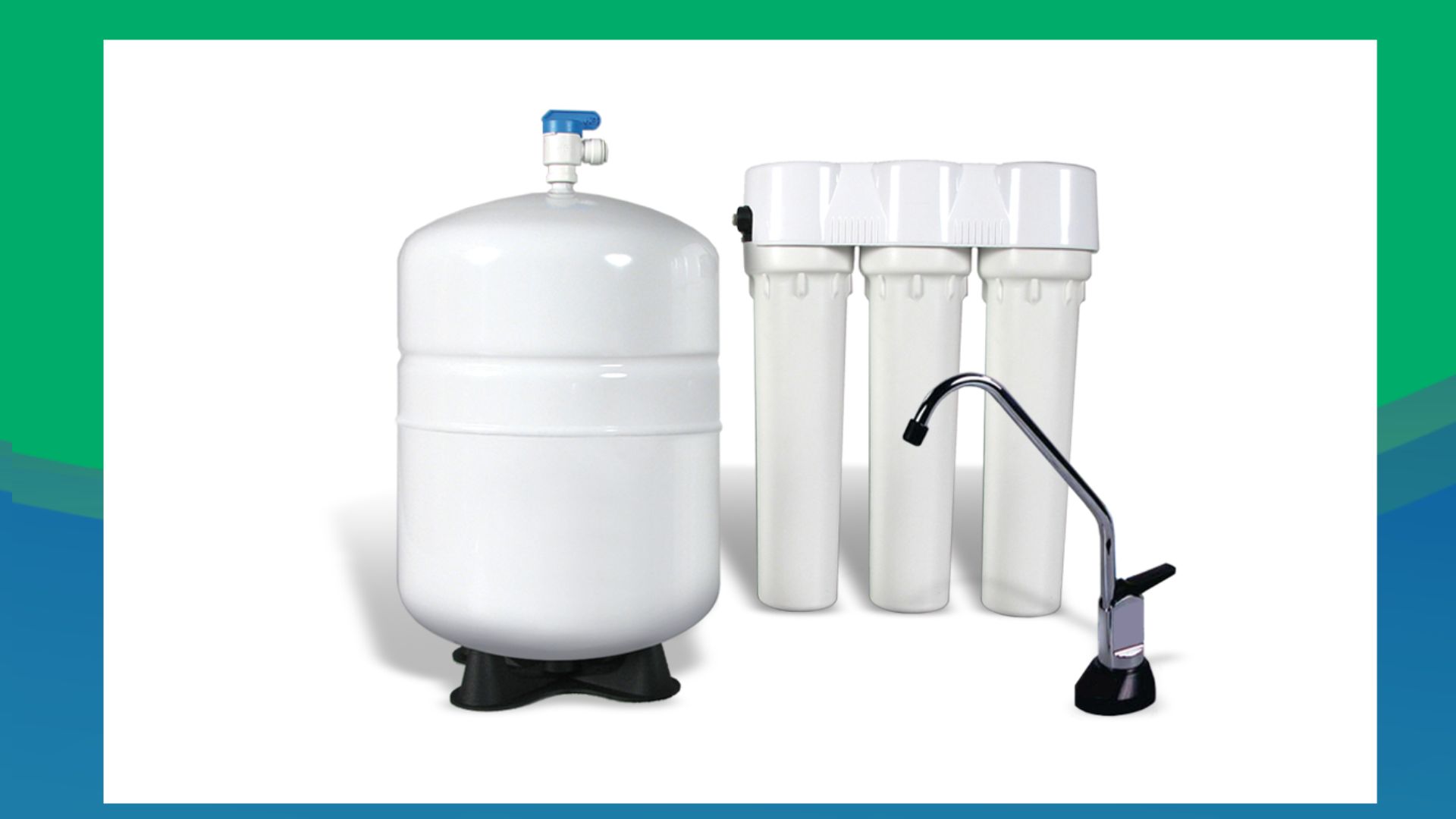
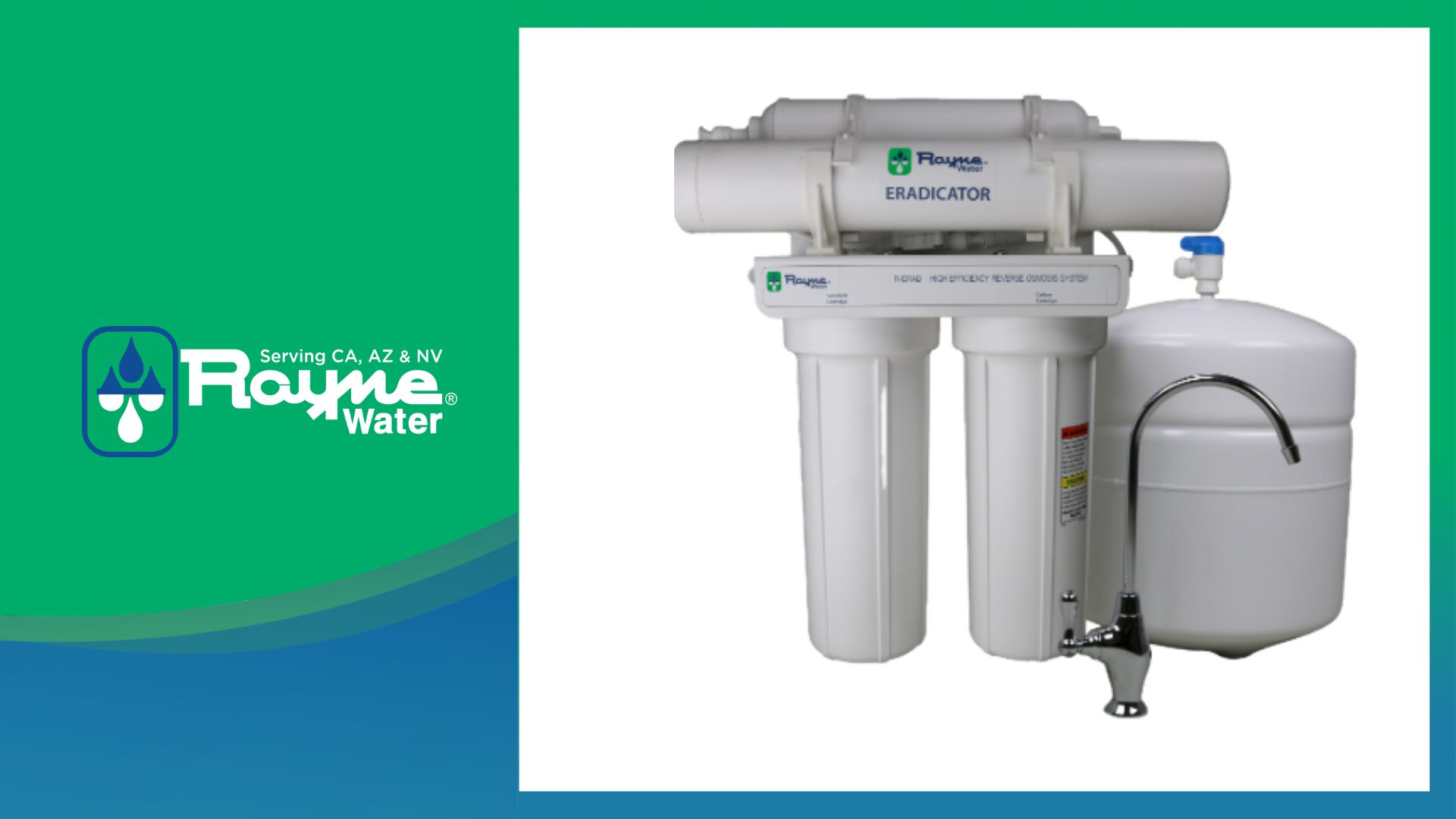
Reverse osmosis is the most effective point-of-use option for Phoenix drinking water. It forces water through a semipermeable membrane that removes dissolved solids, chlorine byproducts, heavy metals, and most trace contaminants, delivering genuinely clean water at the kitchen tap.
Given Phoenix’s elevated TDS readings, the difference in taste is immediate.
Cons: Slower flow rate at the dedicated faucet, some water is used in the filtration process.
Whole-House Filtration Systems
A whole-house system installs at the main water line so every tap draws from filtered water.
In Phoenix, that means every shower, laundry cycle, and dishwasher run benefits from chlorine reduction and sediment removal before water reaches any fixture.
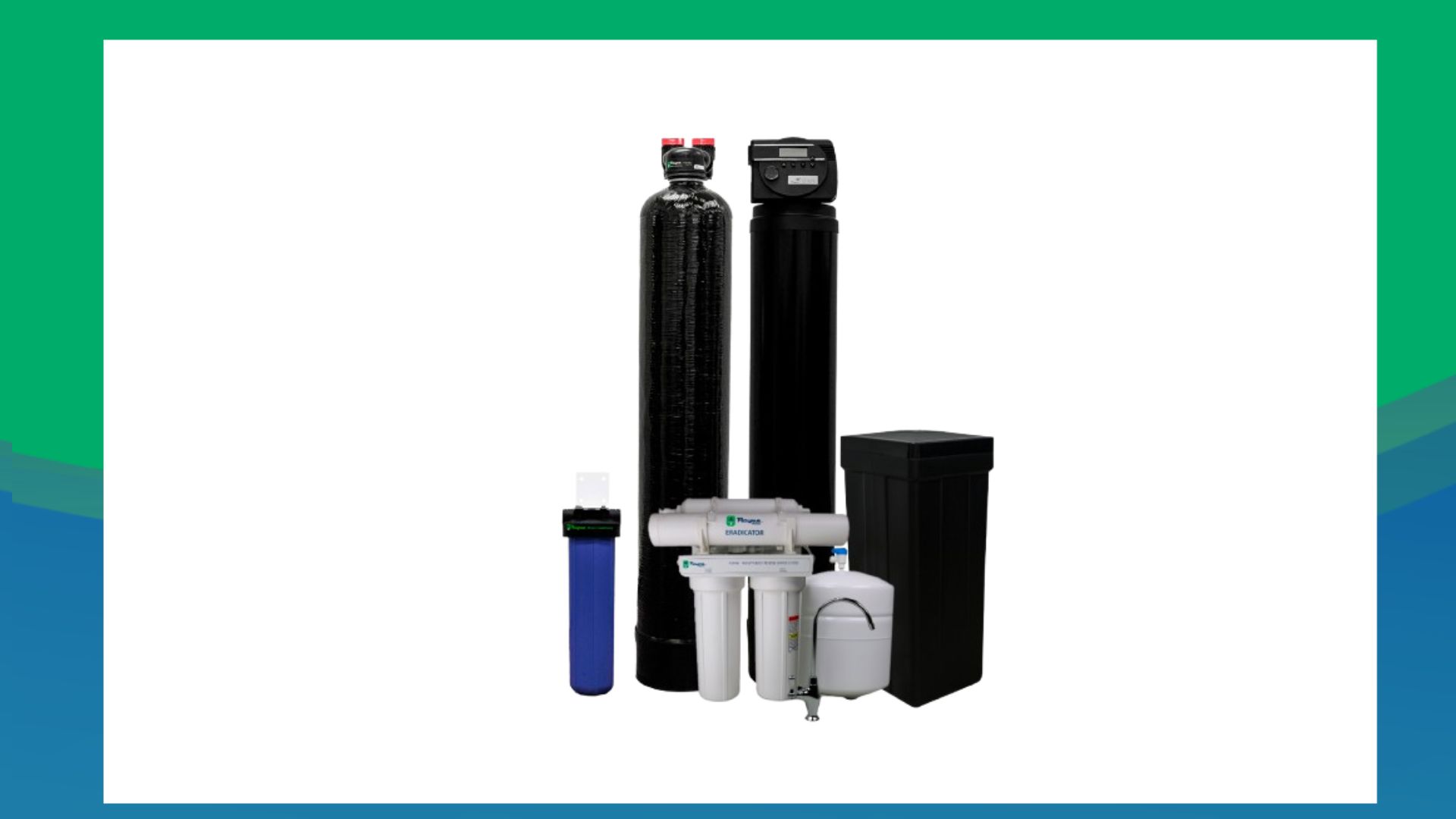
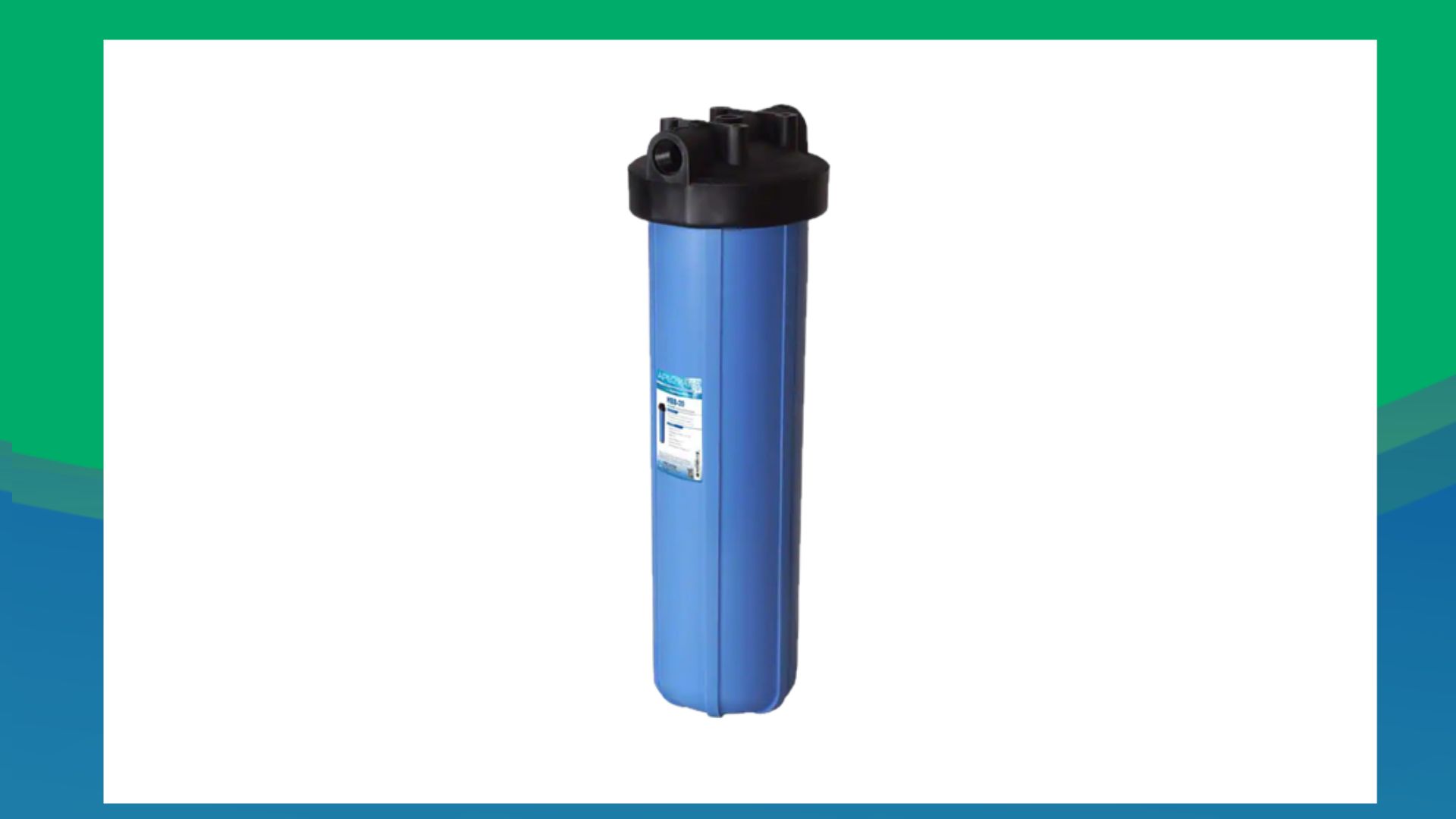
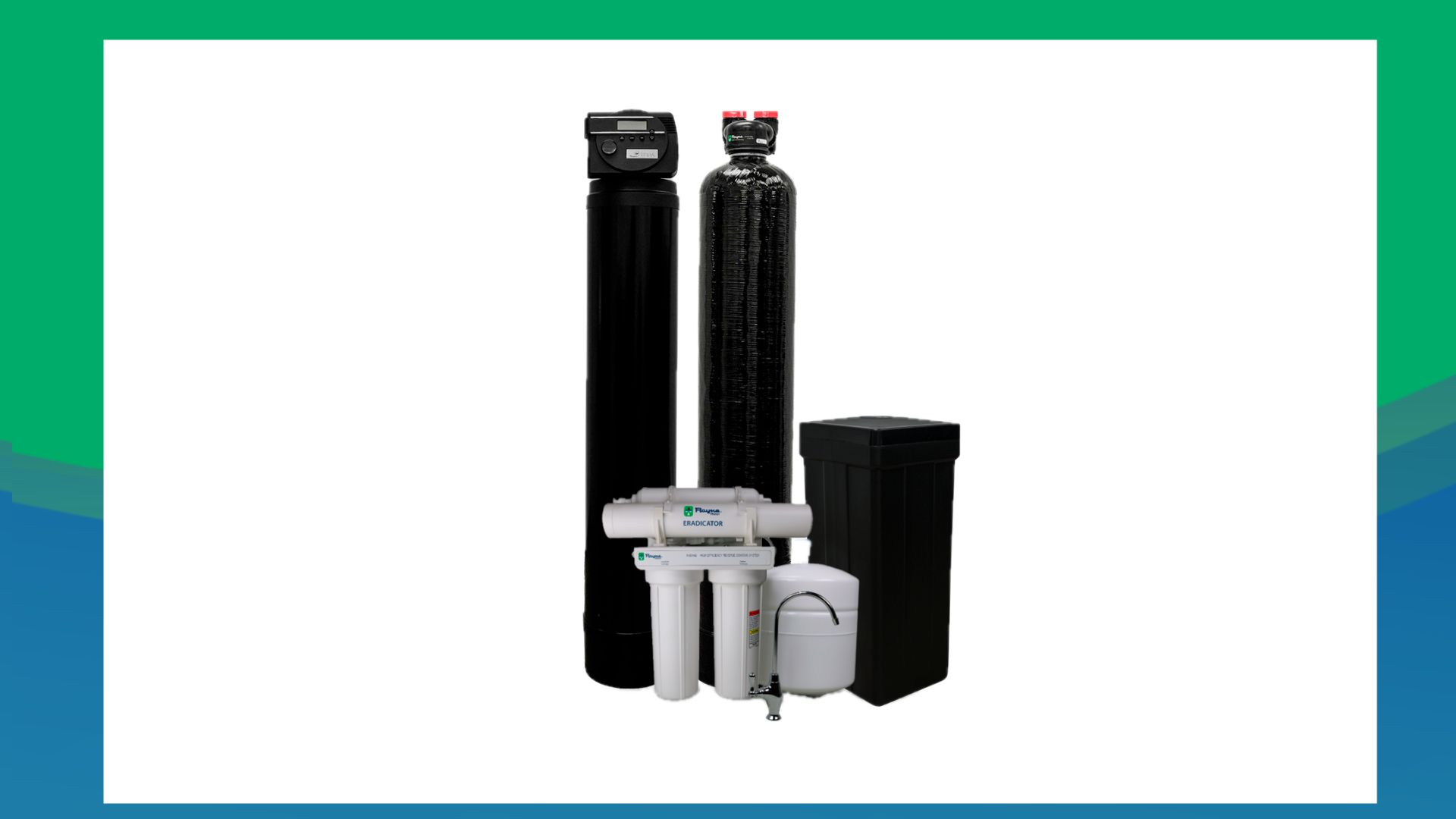
The Rayne Enhancer handles taste and odor reduction across the full home without salt, making it a strong baseline layer for any Phoenix setup. For homes that also need sediment pre-filtration, the Rayne Big Blue whole-house sediment filterworks well as a protective first stage ahead of softening or carbon media.
Carbon Filters
Activated carbon is the workhorse for chlorine, chloramine, and organic taste and odor removal.
As water passes through, carbon media adsorbs chemical compounds and pulls disinfectant residuals out of the flow before reaching any tap.
In Phoenix, where chloramine taste is a consistent complaint, a whole-house carbon installation makes the most noticeable difference. It treats every shower, every glass, and every ice cube, not just the kitchen faucet.
UV Purification (Optional Add-On)
UV purification adds a biological safety layer without introducing any chemicals. Water passes through a chamber where a UV lamp inactivates bacteria and viruses by disrupting their DNA so they cannot reproduce.
UV does not remove dissolved minerals or chemical contaminants, so it works best alongside carbon or RO rather than as a standalone solution. For Phoenix homes on private wells or blended groundwater supply, the Rayne Ultra-Violet UV disinfection lamp adds a confident final layer to a setup that already handles chemical and mineral concerns.
Specialty Filters
Specialty filters target one contaminant with media engineered specifically for that reduction.
PFAS, lead, fluoride, nitrates, and arsenic each require dedicated media tested and certified for that specific application.
In Arizona, arsenic in groundwater is a meaningful consideration for homeowners on private well systems. The ADEQ arsenic in drinking water page provides context on where arsenic appears statewide.
Salt-Free vs Salt-Based: Do You Need Both Filtration and Softening?
Filtration and softening solve different problems, and Phoenix water presents both in significant quantities.
Salt-free filtration: Targets chlorine taste, chloramine odor, and sediment without adding sodium or generating brine. Does not remove hardness minerals.
Salt-based softening: Removes calcium and magnesium through ion exchange, delivering true soft water that rinses cleaner and stops scale from forming. Does not reduce chemical contaminants.
Combined configuration: Whole-house carbon at the point of entry handles taste and odor, a softener manages mineral load, and an under-sink RO delivers the cleanest possible drinking water.
Given Phoenix’s extreme hardness levels, most homeowners benefit from all three layers. Rayne’s whole-home filtration and softening combination brings both processes into one coordinated setup under a single service plan.
Phoenix Water Filtration Installation: What to Expect
A well-installed system works quietly in the background. Pressure stays steady, water quality improves immediately, and maintenance access is straightforward from day one.
A professional installation for water filtration in Phoenix, AZ typically covers:
Sizing the system to your home’s actual flow rate and daily demand
Installing a sediment pre-filter stage if particulate shows up in testing
Setting a bypass valve so the system can be serviced without cutting off your water supply
Running flush cycles and confirming filter output before sign-off
Walking you through filter change intervals and scheduling your first service visit
Licensed installation keeps warranties intact and ensures code compliance with Phoenix and Arizona building standards. For whole-house and RO systems, professional installation eliminates the risk of pressurized connection failures before they become costly water damage.
Key Benefits of Installing a Water Filtration System in Phoenix
Healthier Drinking Water
Phoenix’s high TDS and disinfectant residuals are the two most common reasons homeowners find their tap water unpleasant to drink. Reverse osmosis addresses both at once, removing dissolved solids and stripping chlorine and chloramine byproducts that survive standard treatment.
CDC guidance on home water filters recommends verifying NSF/ANSI certification for the specific contaminants each system claims to address. For Phoenix, that means coverage for TDS reduction, chloramine reduction, and any specialty contaminants your water test identifies.
Improved Skin and Hair Health
Phoenix is already a dry climate, and bathing in very hard, chloramine-treated water compounds that effect considerably.
Hard water minerals react with soap and shampoo to form compounds that never fully rinse away, leaving residue that contributes to dryness and the feeling of never quite getting clean.
USGS research on hard water and soap confirms that those insoluble compounds cling rather than rinse. A whole-house filtration and softening combination treats the water you bathe in at every shower, producing a noticeably different feel from the first use.
Better Appliance Efficiency and Lifespan
Scale moves faster in Phoenix than most cities because the mineral load is higher and water runs hot.
Water heaters, dishwashers, and washing machines all accumulate deposits on heating elements, reducing efficiency and accelerating wear over time. EPA WaterSense research on scale control identifies calcium and magnesium accumulation as a key driver of reduced flow and efficiency in home water systems.
In Phoenix, where mineral load ranks among the highest in the country, protecting appliances is one of the most immediate financial returns on a water treatment investment.
Lower Household Costs
The average Phoenix household spending on bottled water pays several hundred dollars a year for something an under-sink RO system delivers continuously at a fraction of the per-gallon cost.
That saving alone often justifies the system within two years.
Factor in reduced descaling products, fewer plumbing service calls, longer appliance life, and the energy gains from a water heater free of mineral crust, and the full financial picture of water filtration in Phoenix becomes considerably more favorable than the upfront investment suggests.
Why Choose Rayne Water for Phoenix Water Filtration?
Rayne Water has been treating Western water since 1928, with decades of experience working specifically with desert Southwest water characteristics.
90+ years of regional expertise: Phoenix hard water and high-TDS supply are well within our experience.
Whole-house and point-of-use options: From kitchen drinking water to full-spectrum hardness and chemical treatment, Rayne has a configured solution.
WQA- and EPA-certified technology: NSF/ANSI certifications tied to specific performance claims, not marketing language.
Expert local installation: Licensed Rayne Water technicians, not third-party contractors, familiar with Phoenix building codes and Southwest construction layouts.
Trusted across the Phoenix metro: The same consultative approach that has built long-term relationships across California and the Southwest.
How to Get Started
Getting started is straightforward when you follow a clear process that turns your test results into a system that fits your home. You do not need to walk in knowing which product you want. That is what the consultation is designed to resolve.
Step-by-Step Process
Schedule a free water test. Book a complimentary in-home test through Rayne Water’s free home water quality test page and note what you experience daily: taste, scale on fixtures, skin feel, or anything else that has been bothering you.
Get expert consultation. Review your results with a Rayne Water specialist who can explain what your water contains, what it is doing to your home, and which system types address your specific concerns.
Choose a personalized filtration system. Select from whole-house carbon, under-sink RO, combined filtration and softening, or specialty setups based on your test results, your household size, and your budget.
Enjoy professional installation and long-term support. Licensed installation backed by a service plan keeps performance consistent for years, with filter replacements, salt schedules, and maintenance visits handled on a predictable timeline.
What Would Better Water Actually Change in Your Home?
For most Phoenix homeowners, the answer is immediate: better-tasting drinking water, softer showers, and appliances that stop accumulating scale before the damage compounds. A water filtration system in Phoenix addresses all of it at the source.
Rayne Water makes the path straightforward. A complimentary water test reveals exactly what you are working with. A consultative recommendation ties the right system to your results.
Licensed installation gets it right the first time, and a service plan keeps it performing for years.
It depends on your water test results. Most Phoenix homeowners benefit from a layered approach: a water filtration system in Phoenix typically combines under-sink RO for drinking water with whole-house carbon and softening at the main line.
Does Phoenix have hard water or chemical contaminants?
Yes to both. Phoenix regularly records hardness above 200 mg/L, driving scale buildup across fixtures and appliances. Chlorine and chloramine add noticeable taste and odor. Reviewing your Consumer Confidence Report alongside a home water test gives you the complete picture.
How much does a whole-house filtration system cost?
Pricing depends on system type, flow rate requirements, and installation complexity. A basic water filtration in Phoenix costs less than a full hybrid setup with softening and RO added. A complimentary site consultation gives you the most accurate estimate.
Can I install it myself, or should I hire a pro?
Faucet attachments are manageable DIY projects. Any serious water filtration system in Phoenix involving the main line or under-sink RO requires professional installation to maintain warranty coverage, ensure code compliance, and prevent pressurized connection failures.
Does Rayne offer maintenance or filter replacement plans?
Yes. In Phoenix, consistent maintenance matters more than in lower-hardness markets. Rayne’s service plans cover scheduled visits, filter and membrane replacements, and salt delivery matched to your usage, so water filtration in Phoenix stays performing as installed.
Ken Christopher is the Senior Vice President for Rayne Dealership Corporation. As a seasoned executive with over 20 years of leadership experience, he’s helped scale…
Join our newsletter
Subscribe our newsletter to receive the latest news and exclusive offers every week. No spam.


 GET A QUOTE