If your water tastes different from one month to the next, you’re not imagining it. Santa Barbara blends reservoir, imported, and desalinated supplies, so hardness and taste move with the mix.
That shifting baseline shapes every filtration choice here. Salt-based softeners require extra thought, since the city reuses water for irrigation and their brine adds to the salinity load it already manages. Chloramine and its byproducts matter too.
So the smart step is your own water. At Rayne Water, we match you to a compliant water filtration system Santa Barbara homes trust, starting with a free in-home test.
Key Takeaways
Santa Barbara County is a brine-sensitive market, so for your softener, the City recommends potassium chloride over sodium plus demand-initiated regeneration.
Your water hardness depends on the source: Santa Barbara groundwater ranges from 18 to 45 grains per gallon, while surface water ranges from 22 to 29 grains per gallon.
The City disinfects with chloramine, which lingers longer in your pipes but is harder to strip out at the tap.
If brine rules apply where you live, Portable Exchange Tank Service stays compliant because the resin is regenerated off-site.
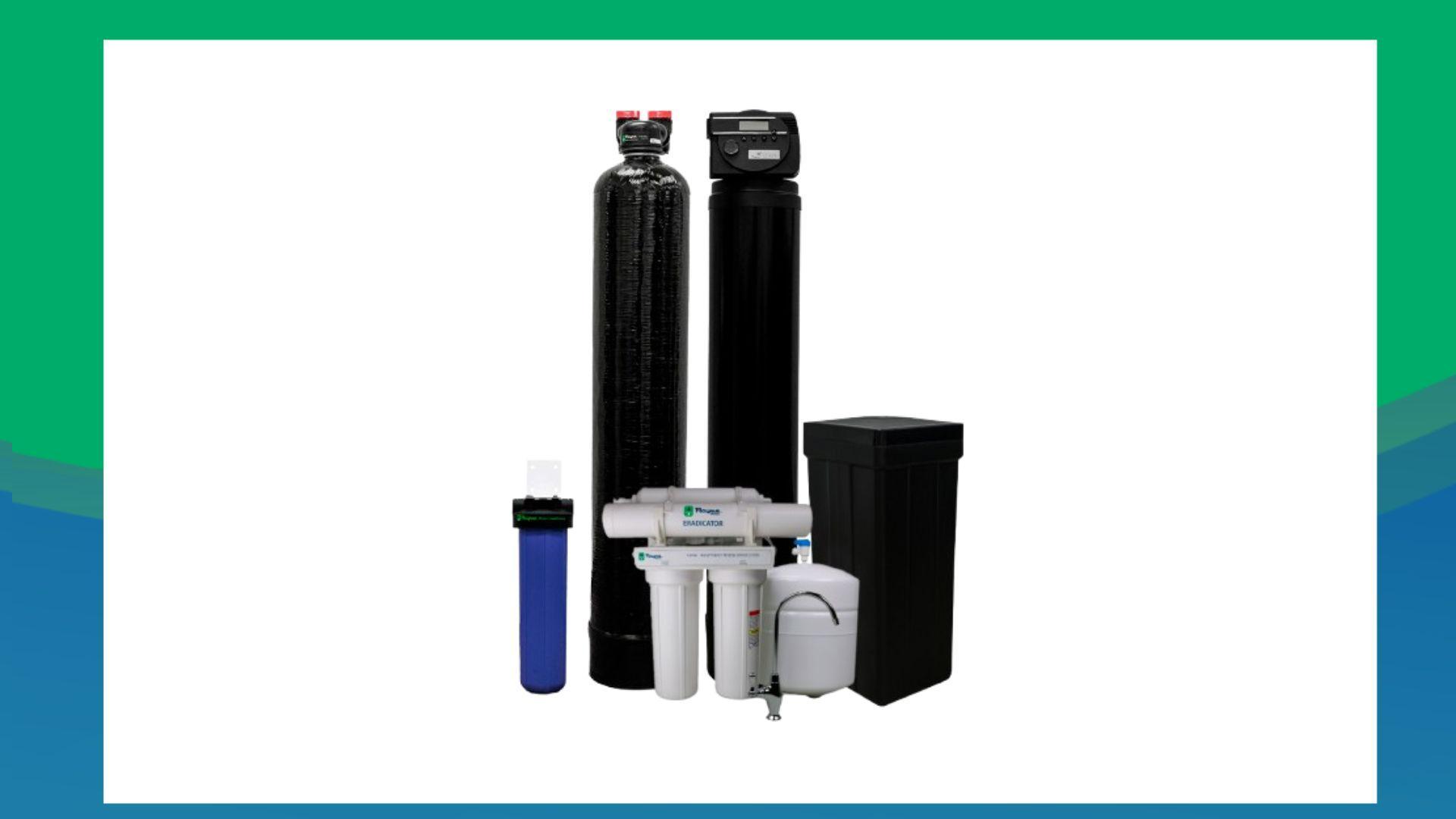
The best water filtration system in Santa Barbara usually layers two stages: whole-house carbon for chlorine, plus an under-sink RO for the water you drink.
When salt limits rule out a standard softener, Rayne gives you brine-compliant water filtration in Santa Barbara: salt-free conditioners and Portable Exchange Tank Service.
Understanding Santa Barbara Water Quality
Every year, the City publishes exactly what’s in your tap. Its 2024 Water Quality Report breaks down each source, the treatment behind it, and every contaminant tested across the system.
Here’s the short version. Your tap blends Lake Cachuma, Gibraltar Reservoir, desalinated supply, and groundwater, and it met every EPA and state health standard in 2023. Still, a passing grade doesn’t tell the whole story.
Because the City disinfects with chlorine, you taste it and its byproducts, while hardness fluctuates with whichever source feeds your block. Those are the gaps a water filtration system Santa Barbara homes can actually close.
Local Sources of Tap Water
Your tap water doesn’t come from a single source.
The City blends Gibraltar Reservoir, imported State Water Project supply, the Charles E. Meyer Desalination Plant, and local groundwater with its main source, Lake Cachuma, which sits on the Santa Ynez River and feeds the South Coast through the Tecolote Tunnel.
Because that mix shifts with the seasons and droughts, your hardness and mineral profile shift right along with it.
Common Contaminants in the Area
The City disinfects with chlorine, and as it travels through the pipes, it reacts with organic matter, forming disinfection byproducts. So here’s what tends to show up in your water:
Chlorine residual and the trihalomethanes (TTHMs) that form alongside it.
Hard water minerals like calcium and magnesium scale your pipes and leave soap scum.
Sediment and turbidity, which rise after seasonal storms.
Nitrate from farm runoff was detected well below the safety limit.
PFAS, federally capped at 4 ppt since 2024, though the City found none detected.
Why Filtration Is Necessary
Your water can pass every health-based rule and still bother you daily.
That gap exists because the EPA’s secondary drinking water standards treat taste, odor, and scale as non-enforceable guidelines. In other words, your utility isn’t required to meet them.
So the chlorine taste, the scale on your fixtures, and that filmy shower feel can all stay perfectly legal while still annoying you every day. That’s exactly why a water filtration system Santa Barbara homes rely on pairs filtration with softening, handling taste, scale, and comfort in one coordinated setup.
Key Considerations Before Choosing a Water Filtration System
Choosing the right water filtration system Santa Barbara install starts with two things: knowing your specific water profile and knowing what your household actually needs. Get those right, and everything else falls into place.
Skip them, though, and you usually end up paying for capacity you’ll never use or undersizing for the demand you really have.
1. What’s In Your Water? (Get a Water Test)
A professional water test tells you exactly what you’re working with. In one report, you see your hardness in grains per gallon, chlorine residual, TDS, and any contaminants worth flagging.
From there, sizing becomes simple math instead of guesswork.
Different goals call for different systems, so it helps to name yours before you shop.
For better-tasting drinking and cooking water, an under-sink reverse osmosis unit at the kitchen sink delivers the cleanest results.
For scale control on fixtures and appliances, a softener or salt-free conditioner is the move.
For softer skin and hair with less chemical exposure in the shower, a whole-house carbon filter handles the chlorine.
Many Santa Barbara homes want all three, which points you toward a layered setup.
3. Household Size and Water Use
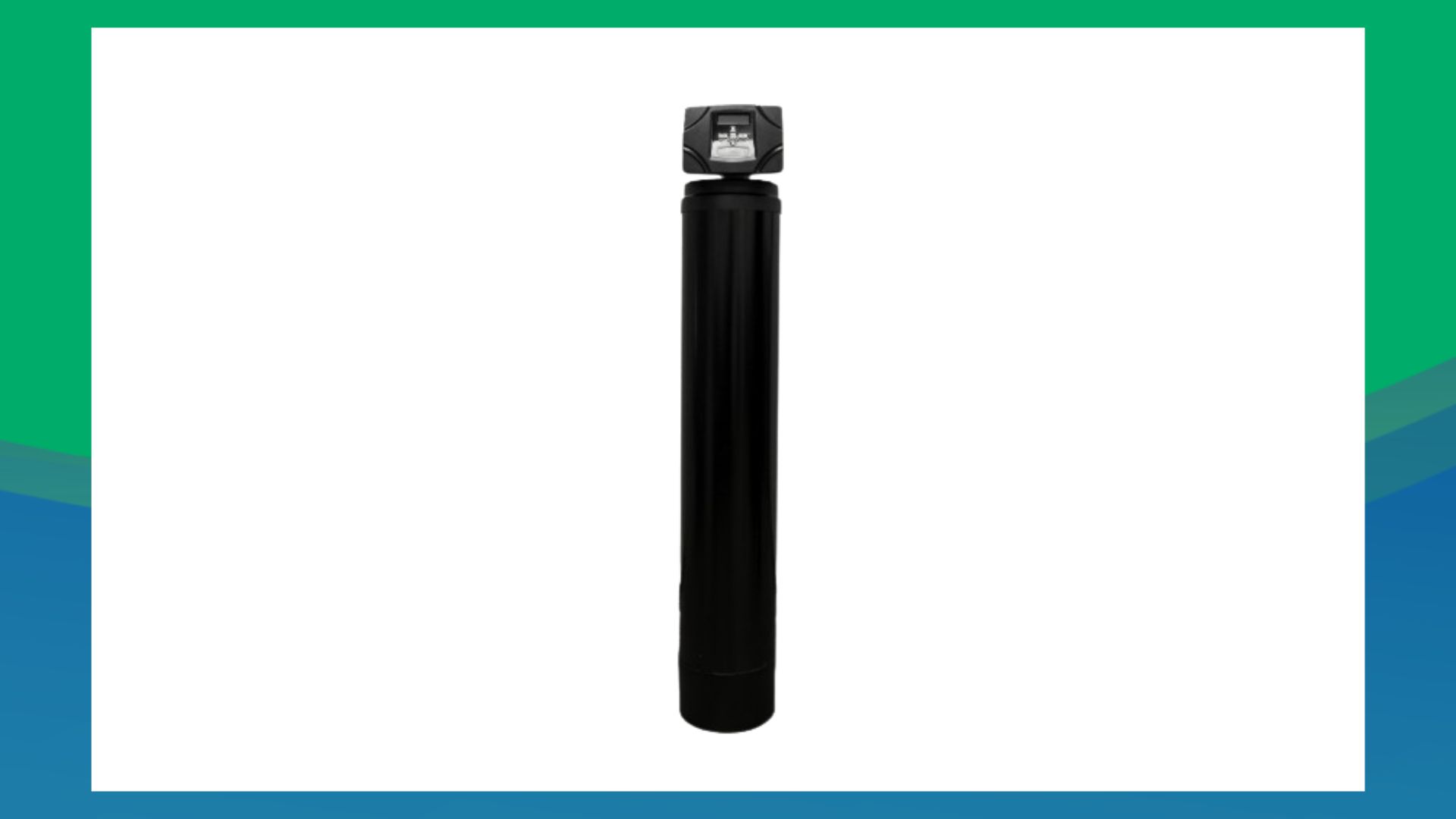
The more water your home moves at once, the more capacity you need. A two-person home often does fine on a 32,000-grain setup, for instance.
A five-person household is a different story, though. Between morning rushes, overlapping laundry, and a tankless heater, you usually need 48,000 to 64,000 grains plus a higher flow rate.
So peak flow matters just as much as the gallons you use in a day.
4. Budget and Maintenance Preferences
Lifetime cost tells you more than the sticker price does, so weigh each option over the years you’ll own it.
A salt-based softener costs less upfront, but you take on salt refills and brine-discharge rules in Santa Barbara County.
A salt-free conditioner requires more upfront and very little service afterward.
Reverse osmosis adds annual cartridge changes.
Portable Exchange Service spreads the cost into a predictable monthly fee with no on-site upkeep.
So if you sit in a brine-restricted area, or you simply want to skip the salt logistics, Rayne’s Portable Exchange Tank Service sidesteps the issue, since its resin regenerates offsite at our facility and discharges no brine at your home.
Types of Water Filtration Systems for Santa Barbara Homes
Most Santa Barbara homes do best with a layered approach, two or three systems working together. That’s because each type targets different contaminants, so the cleanest results come from combining what each one does best, rather than asking a single system to do everything.
Reverse Osmosis (RO) Systems
For drinking water, reverse osmosis cleans the deepest.
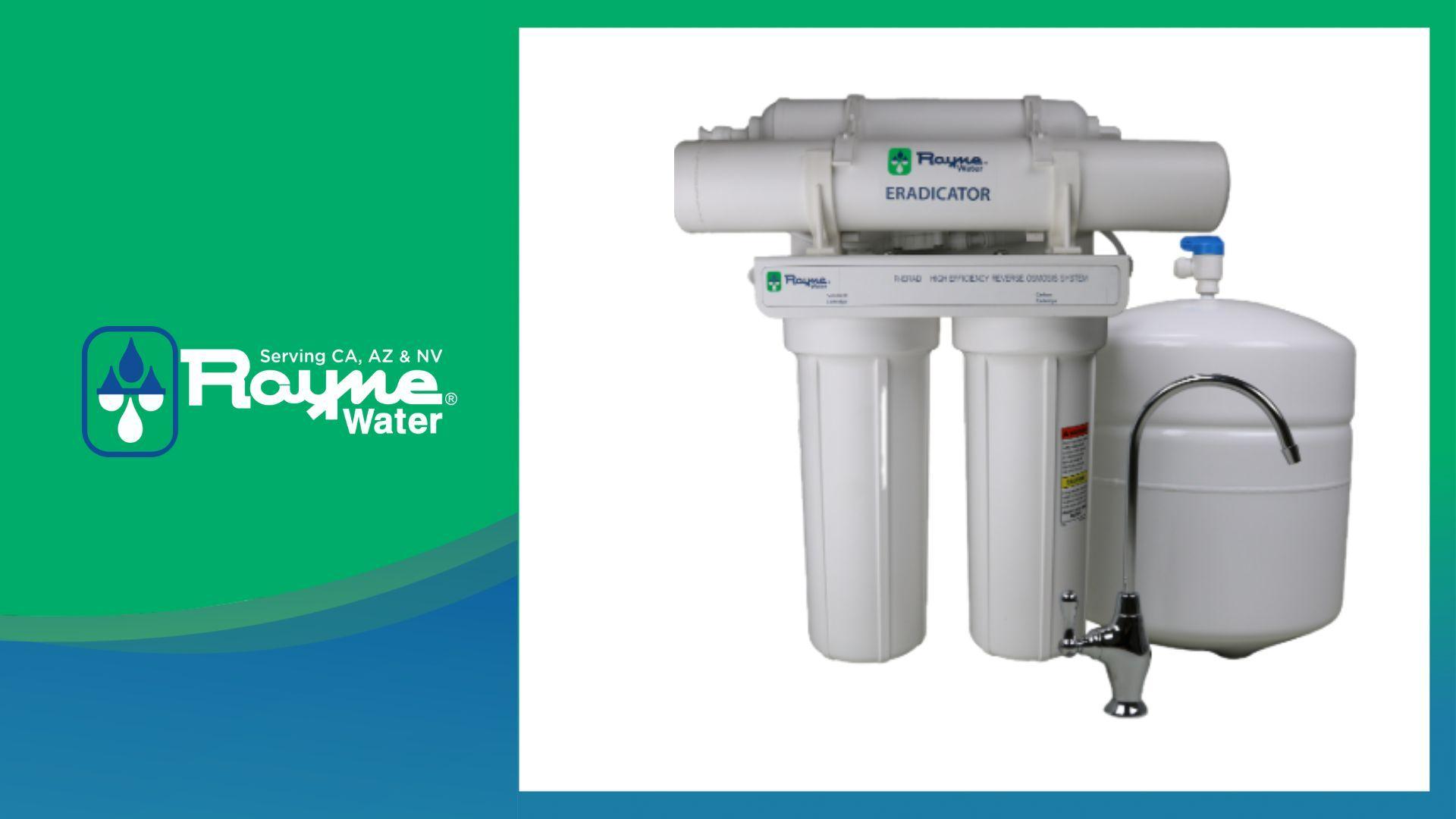
It forces your water through a semi-permeable membrane that strips out most dissolved solids, along with lead, fluoride, and disinfection byproducts from chlorine.
Most setups, like the under-sink Rayne Eradicator, tuck into your kitchen cabinet and feed a dedicated faucet. If flow and tank space concern you, the tankless Rayne X96 delivers RO water on demand instead.
Pros: deep purification and a compact under-sink footprint.
Cons: slower flow than a standard tap, plus some water is sent to drain.
Whole-House Filtration Systems
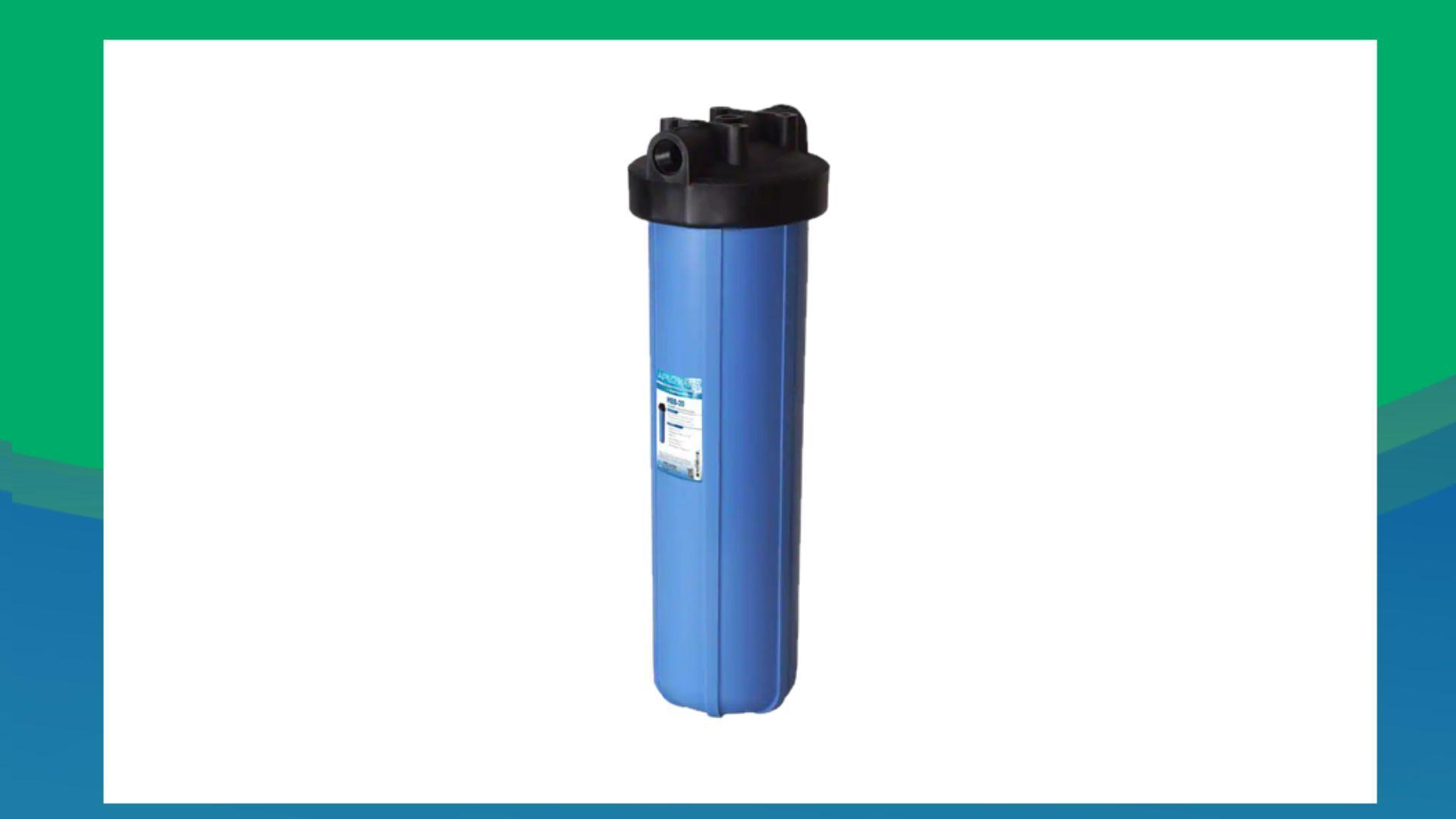
A whole-house water filtration system Santa Barbara homeowners install treats every tap at once, from your showers and laundry to the dishwasher, so chlorine and sediment get handled before the water ever splits off through the house.
For most homes, one bundled system does it all. The Whole House Complete package pairs a softener with sediment and carbon stages, while the salt-free Brine Restricted Complete gives you the same whole-home coverage where Santa Barbara’s salt rules apply.
Pros: Every tap is protected, with softening, sediment, and carbon in one managed system.
Cons: a higher upfront cost and a point-of-entry install.
Carbon Filters
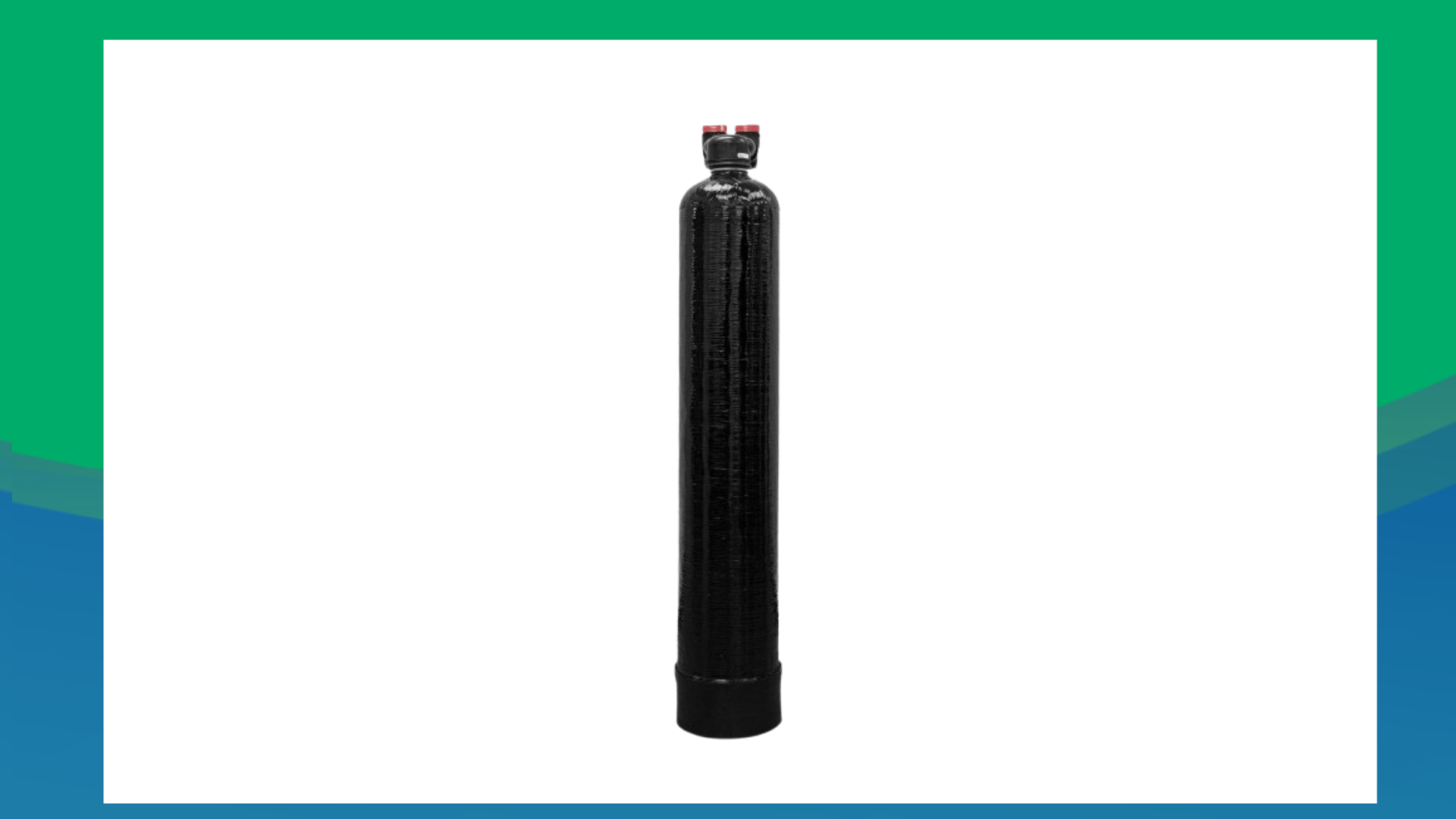
Activated carbon is the workhorse for taste, odor, and chlorine removal in Santa Barbara.
Because the city disinfects with free chlorine rather than chloramine, standard activated carbon does the job well, so you don’t need the pricier catalytic media that chloramine would demand.
From there, it comes down to placement.
A whole-house unit like the Rayne Enhancer treats every tap, while an under-sink filter targets just your drinking water.
Pros: strong taste and odor control, no salt or electricity required.
Cons: Cartridges need periodic replacement to keep working.
UV Purification (Optional Add-On)
UV sterilization isn’t filtration exactly, but it inactivates bacteria, viruses, and protozoa using UV-C light at 254 nanometers. So it shines in one specific case, well-water homes outside the municipal supply, or as an extra microbial layer when you want one.
The Rayne Ultraviolet system covers this need. When comparing UV units, NSF/ANSI 55 is the standard to verify.
Specialty Filters
Sometimes a general system isn’t enough, and that’s where specialty filtration comes in.
It targets one contaminant at a time, think lead reduction, fluoride removal, or arsenic and nitrate treatment through options like Arsenic Filtration and Nitrate Select.
The key is testing first. We use your water test to confirm a specialty filter is actually needed, since most Santa Barbara homes never require one.
Salt-Free vs Salt-Based: Do You Need Both Filtration and Softening?
In Santa Barbara, this question comes with local strings attached. Because salt strains the city’s wastewater and recycled water, the City asks you to run potassium chloride and demand-initiated softeners rather than standard sodium units.
So your path depends on how far you want to go to avoid salt entirely. Salt-free conditioners change how minerals behave instead of removing them, and many homes still pair softening with filtration for the full benefit.
If you’d rather keep brine off your property altogether, Rayne’s Portable Exchange Tank Service regenerates each tank offsite, so nothing discharges at home.
Santa Barbara Water Filtration Installation: What to Expect
Good installation is more than plumbing skills. It’s about meeting local code, so a licensed installer handles your bypass loop, drain compliance, backflow prevention, and placement.
Santa Barbara adds one more layer.
Because the city discourages added salt, your installer confirms that a salt-based softener uses demand-initiated regeneration and potassium chloride, or that you’ve chosen an exempt option like portable exchange.
From there, they program your water filtration system Santa Barbara setup to your exact hardness and walk you through maintenance, so you’re never guessing after the truck pulls away.
Key Benefits of Installing a Water Filtration System in Santa Barbara
Santa Barbara water filtration pays for itself through small daily wins that add up to real yearly savings.
Healthier Drinking Water
Filtration removes chlorine taste, disinfection byproducts, and whatever else your water test flagged.
So the water that reaches your glass tastes cleaner, your coffee comes out smoother, and your ice freezes clearer. For most households, that daily lift is the fastest payoff to feel, because you notice it the moment you take a sip.
Improved Skin and Hair Health
Soft, filtered water rinses off cleanly, so you skip that tight, dry feeling hard water leaves after a shower. Your color-treated hair also holds longer, since mineral residue isn’t coating each strand and dulling it.
Over time, less mineral and chemical buildup tends to leave your skin feeling smoother day to day.
Better Appliance Efficiency and Lifespan
Scale and residue quietly shorten the life of your water heater, dishwasher, washing machine, ice maker, and humidifier.
Once a filtration and softening setup removes that source, your appliances run closer to factory efficiency for longer. Many Santa Barbara homeowners also notice fewer service calls in the months after installation.
Lower Household Costs
The savings then accumulate from several directions at once.
You buy less bottled water, your soap and detergent stretch further, and your repair calendar quiets down for years. Your water heater works less, too, since scale isn’t insulating the heating element.
Over a decade, those small reductions add up to real savings on bills, supplies, and appliance replacements.
Why Choose Rayne Water for Santa Barbara Water Filtration?
Santa Barbara homeowners pick Rayne because we pair decades of California water experience with systems built for the South Coast and its salt-sensitive rules.
Serving California since 1928, with hands-on local service across the South Coast.
Whole-house and under-sink Santa Barbara water filtration for homes of every size.
Brine-compliant choices, including salt-free conditioners and the Portable Exchange Tank Service.
Local technicians who handle Santa Barbara’s potassium-chloride and softener guidance.
Made-in-USA systems backed by extended and lifetime service options.
A free in-home water test, a post-install re-test, and customizable maintenance built around your usage.
How to Get Started
Going from “we think we need filtration” to a system that’s up and running takes less time than you’d expect. The process comes down to four straightforward steps, so you always know what’s coming next.
Step-by-Step Process
Step 1. Book your free in-home water test and system check, online or by phone. A Rayne technician comes to your home when it suits your schedule and tests exactly what’s in your water.
Step 2. Sit down for a free consultation that explains your results in plain language. With no contract and no commitment, you move forward only when you’re ready.
Step 3. Choose a system sized to your water quality, your household demand, and Santa Barbara’s potassium-chloride and softener guidance.
Step 4. A Rayne technician installs your system, then runs a post-install re-test to confirm it’s performing, with lifetime service available whenever you need it.
If your home is in the Montecito service area, the district’s 2024 water quality report provides a useful regional snapshot while you wait for your own in-home numbers.
Ready to Upgrade Your Santa Barbara Water?
A quality water filtration system Santa Barbara homeowners install ranks among the smartest upgrades you can make. You get less scale, better-tasting water, softer skin and hair, longer-lasting appliances, and a setup that respects the city’s salt guidance.
The right mix depends on your test results and priorities, so start with a free in-home water test. Then, when you’re ready, find your local Rayne team and let our Santa Barbara experts size and install it for you.
FAQs
What’s the best water filter for Santa Barbara homes?
The best water filtration system for Santa Barbara homes depends on your test results.
Most pair a whole-house carbon filter, which cuts chlorine taste and improves shower comfort, with an under-sink reverse osmosis unit for drinking water.
For scale control without brine discharge, add a salt-free conditioner or Portable Exchange Tank Service. A free in-home test confirms your ideal combination.
Does Santa Barbara have hard water or chemical contaminants?
Yes to both. Santa Barbara water is very hard, running 18 to 45 grains per gallon from groundwater and 22 to 29 from surface water, though the desalinated supply is soft at 2 to 3.
The City disinfects with chlorine, which forms trihalomethanes and other byproducts. Your utility’s Consumer Confidence Report lists the exact numbers for your tap.
How much does a whole-house filtration system cost?
The cost of a whole-house water filtration system in Santa Barbara depends on a few factors: the unit you choose, the labor and drain work required for your installation, and whether you add reverse osmosis for drinking water.
Portable Exchange Tank Service spreads the cost into a monthly fee rather than a single upfront purchase. Your free in-home test includes an exact quote.
Can I install it myself, or should I hire a pro?
We recommend professional installation for every system.
Whole-house units tie into your main water line and need code-compliant drains, bypass plumbing, and adherence to Santa Barbara’s softener guidance. Having it installed by Rayne-trained employees also maintains your warranty and ensures the job is done right the first time.
Does Rayne offer maintenance or filter replacement plans?
Yes. Rayne offers maintenance plans covering annual inspections, filter and cartridge replacements, and control-valve checks. Replacement timing varies by stage: sediment pre-filters last months, and reverse osmosis membranes last a few years.
On Portable Exchange Tank Service, it’s built in. We deliver fresh resin tanks on a 7-, 14-, 28-, or 56-day schedule and regenerate exhausted ones offsite.
Ken Christopher is the Senior Vice President for Rayne Dealership Corporation. As a seasoned executive with over 20 years of leadership experience, he’s helped scale…
Join our newsletter
Subscribe our newsletter to receive the latest news and exclusive offers every week. No spam.


 GET A QUOTE