You rarely see hard water coming. You just live with what it leaves behind: spotty glasses, stiff towels, a water heater that quits years early.
And in San Jose, where hardness shifts block to block, that damage piles up quietly. A proper water softener installation in San Jose, CA, reverses it. The right system, though, comes down to your household size, your grain hardness, and California’s brine-discharge limits.
That’s our entire focus. Rayne Water sizes, installs, and services every San Jose water softener around your actual water, starting with a free in-home test.
Key Takeaways
San Jose water hardness ranges from 11 to 26 grains per gallon, so your home likely falls in the very hard range.
A San Jose water softener protects your pipes, water heater, and appliances from scale-driven wear.
Salt-based softeners give you true soft water; salt-free conditioners cut scale without removing the minerals.
California’s Water Code lets local agencies regulate brine discharge, so the rules you follow depend on your district.
Rayne gives you free in-home testing, expert installation, and ongoing service across the Bay Area.
What Makes San Jose Water Hard?
Hard water isn’t bad luck. It’s geology.
The Santa Clara Valley sits on old riverbed soil and rock, and as groundwater works through it, it picks up calcium and magnesium and carries them straight to your tap. Imported water has a different mineral makeup, so what reaches your faucet depends partly on which source your area relies on.
That mix is why hardness shifts from one part of town to the next. According to Santa Clara Valley Water, local groundwater averages over 250 mg/L, while treated surface water stays under 120 mg/L. Knowing where your home lands on that range is the first step toward sizing the right San Jose water softener.
Mineral Content in Local Water
Your minerals trace back to which source feeds your tap. Groundwater collects calcium and magnesium from local rock, so wells produce water that is far harder than imported water.
According to San José’s 2025 water quality report, groundwater zones tested 252 to 407 mg/L, while treated surface water ranged from 60 to 100 mg/L. So your service area decides how much calcium you’re dealing with, and which San Jose water softener actually fits.
Signs You’re Living with Hard Water
Before you weigh a San Jose water softener, it helps to know if you need one.
Hard water rarely announces itself. Instead, it surfaces as small, recurring annoyances, all from minerals left on the surfaces your water comes into contact with. Watch for these:
Chalky white scale on faucets, showerheads, and your kettle.
Soap that won’t lather and leaves film on the shower walls.
Cloudy spots on glasses and dishes, straight from the dishwasher.
Dry, itchy skin after a shower and flat-looking hair.
Laundry that comes out stiff and faded despite extra detergent.
Water pressure that slips as the scale narrows your pipes.
When two or three overlap, you’re almost certainly seeing the signs of hard water.
Key Facts for San Jose Homeowners to Know
Before you shop for systems, a few real numbers frame the choice.
According to the county’s water hardness scale, anything above 7 grains per gallon is considered very hard, and your supply depends on its source. Here’s what to keep in mind:
Groundwater zones run very hard, often 15 grains and up, while treated surface water sits far lower.
Left untreated, that scale shortens the life of water heaters, pipes, and appliances.
A softener clears it, though it adds sodium and needs routine servicing to keep working.
The right San Jose water softener is sized to your household and peak flow.
Licensed installation keeps it code-compliant and protects your warranty.
Common Types of Water Softener Systems
Not every softener works the same way. So before you pick one for your San Jose home, it helps to know the three main types, since each tackles hard water differently, with its own price, install footprint, and upkeep.
Salt-Based Ion Exchange Softeners
If you want true soft water, salt-based systems are the proven fix. The tank holds resin beads coated with sodium, and as your water flows through, calcium and magnesium cling to the beads while sodium takes their place.
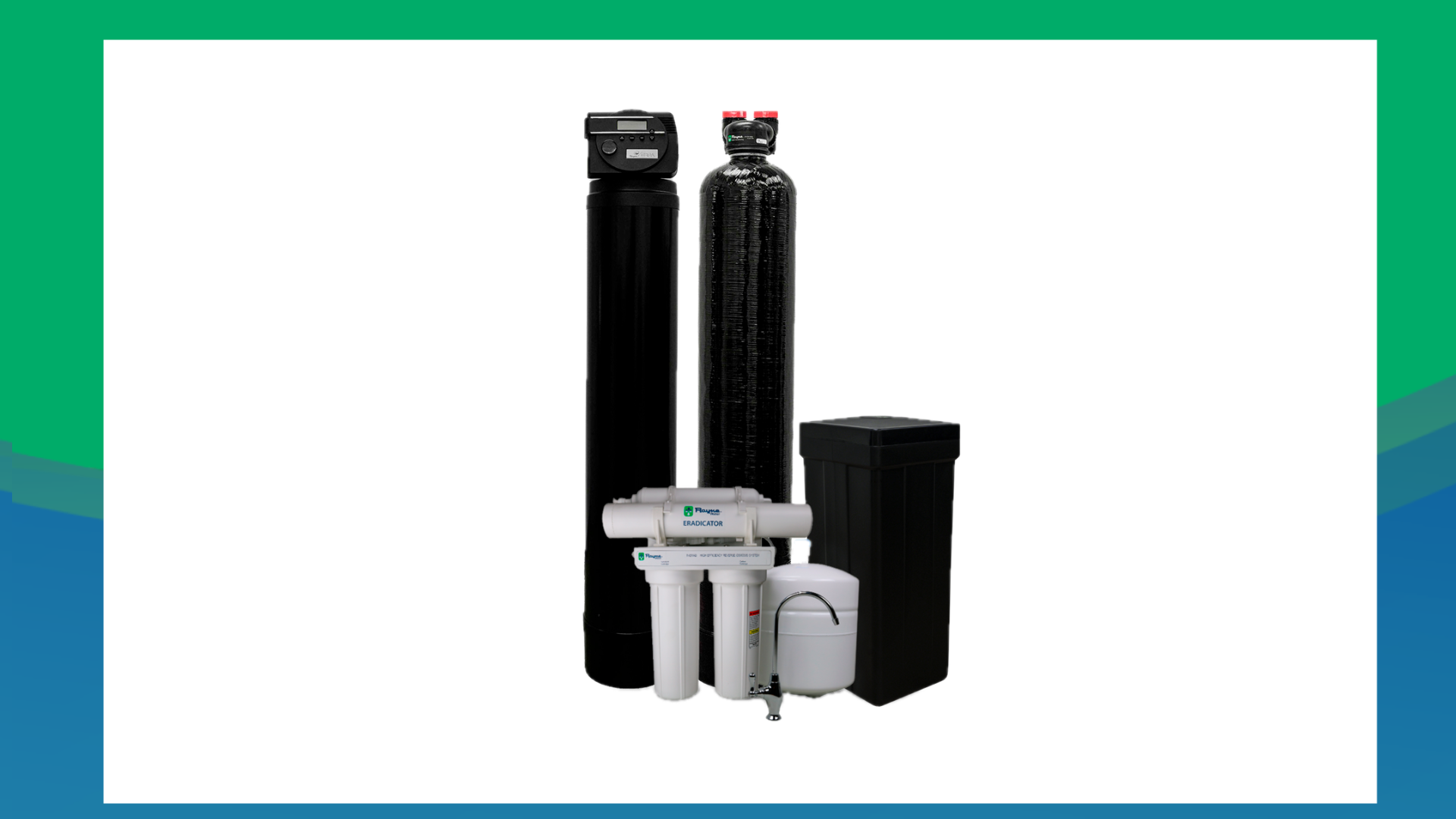
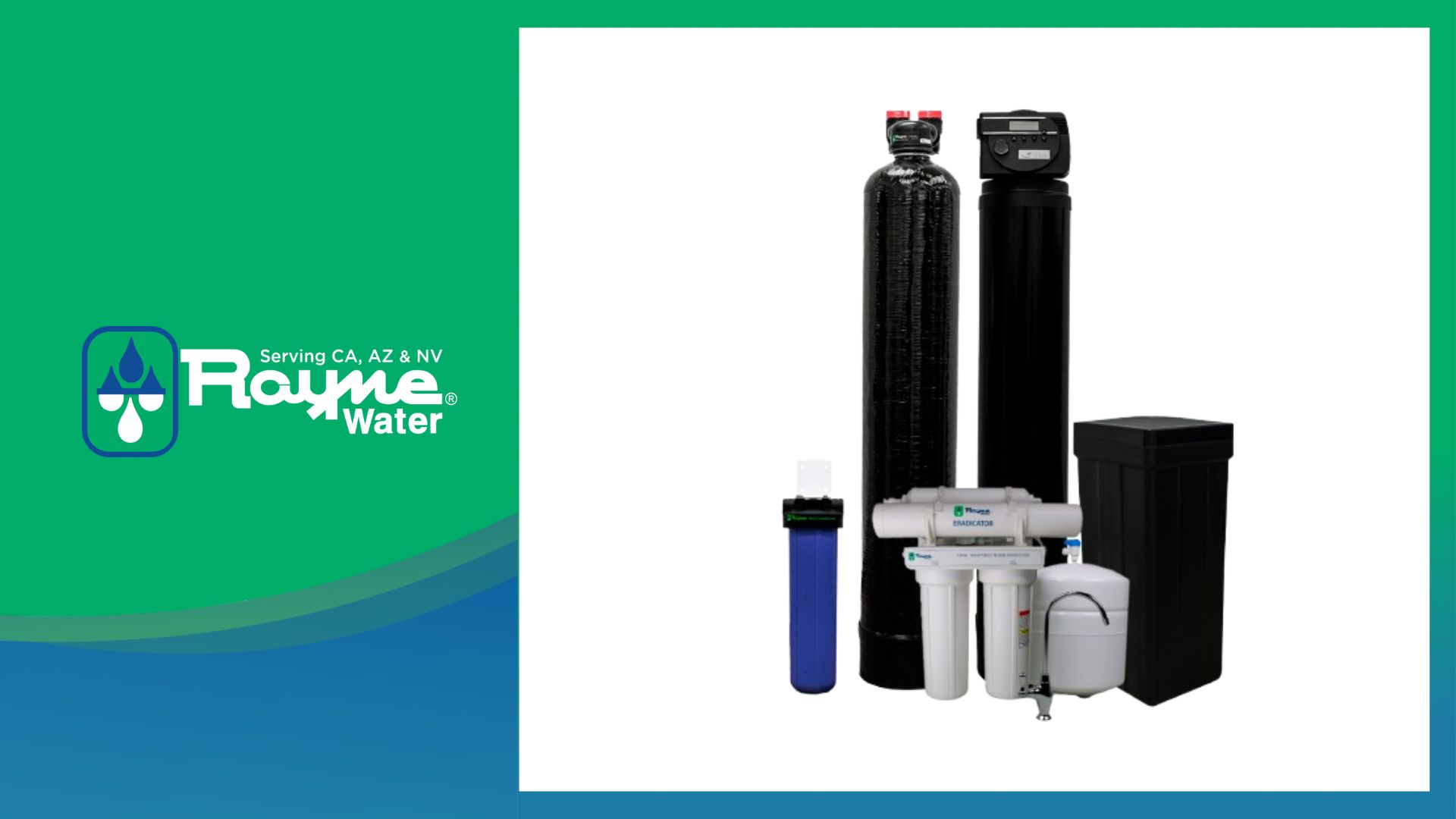
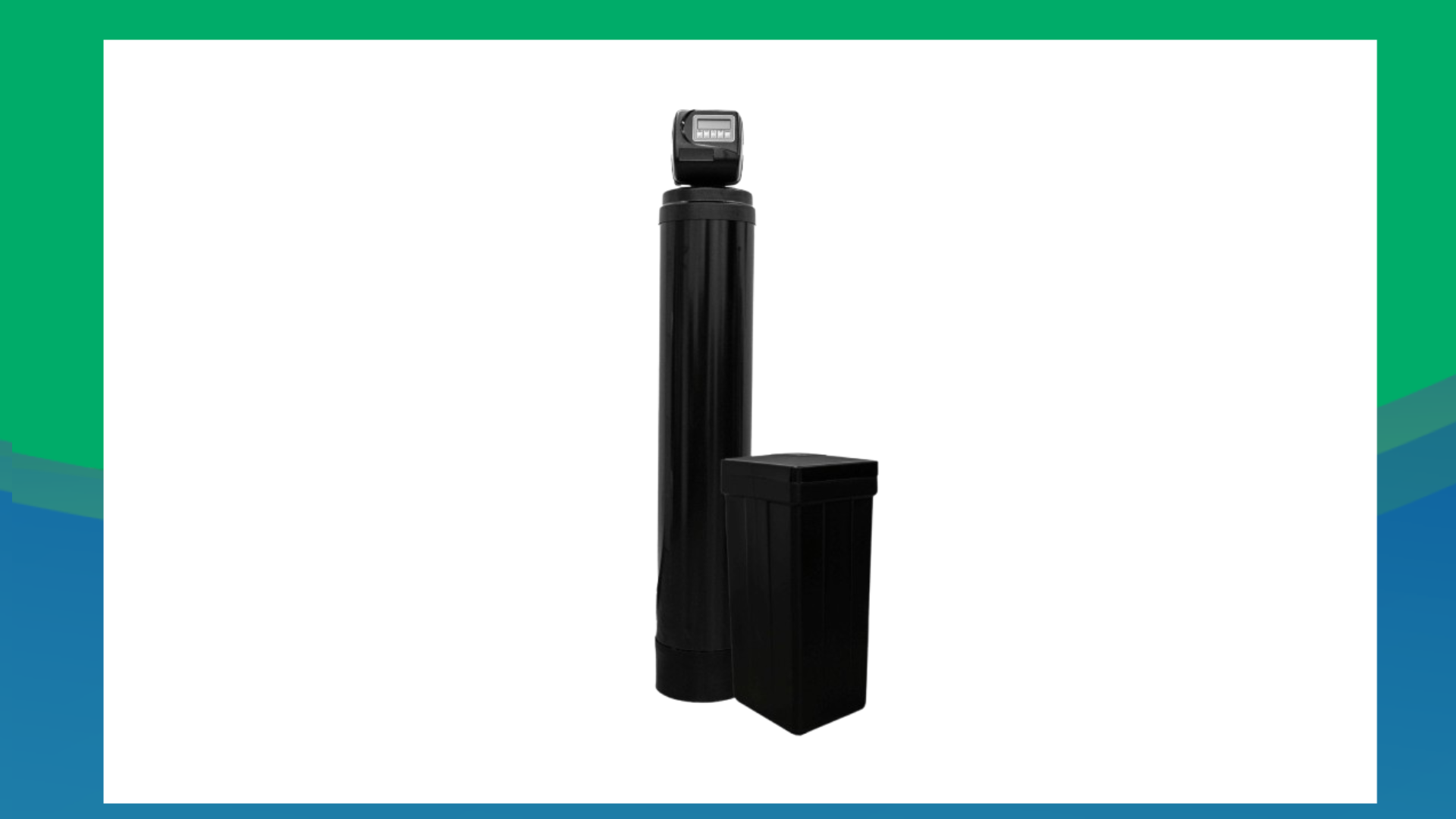
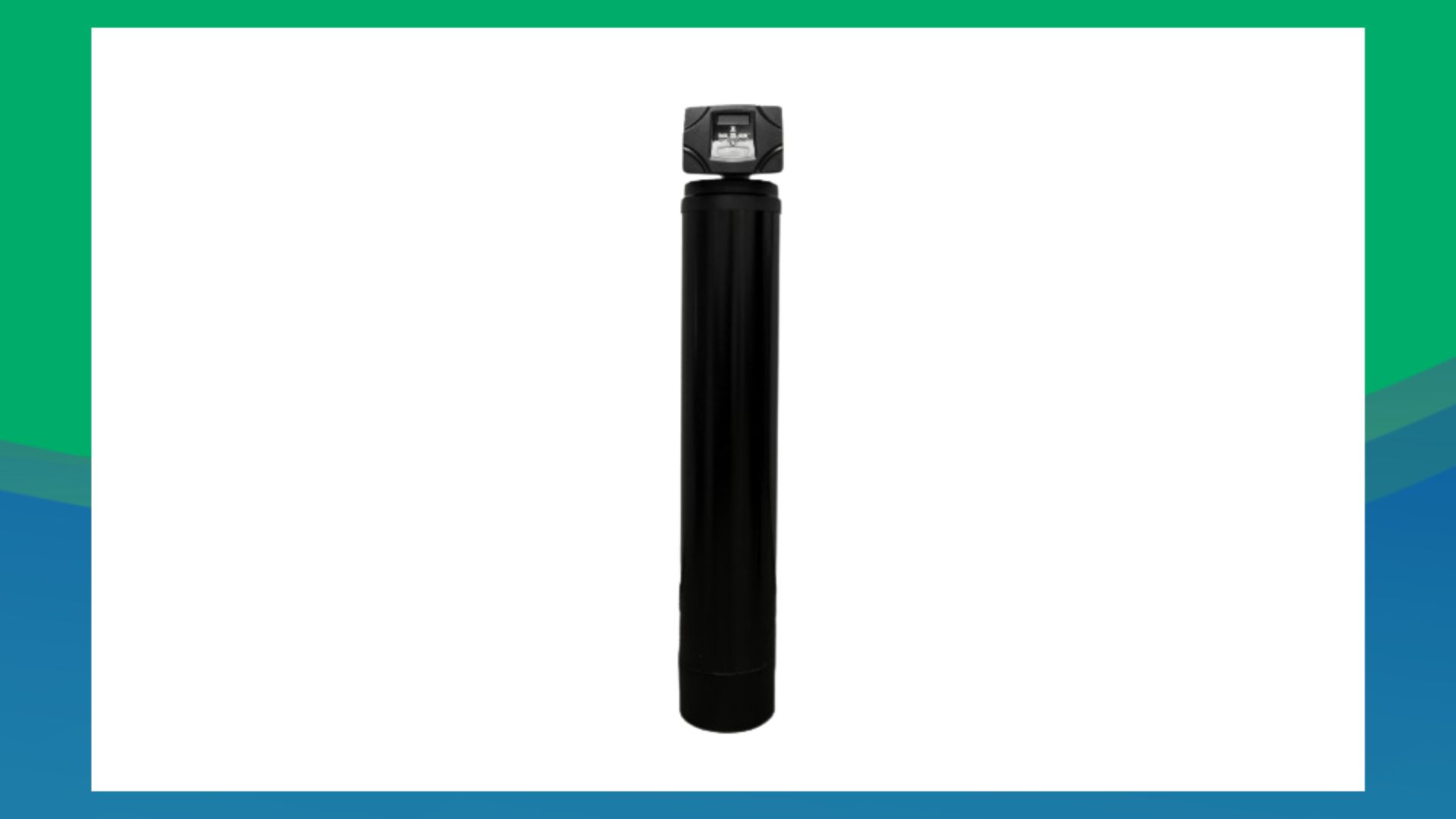
On our side, two San Jose water softener options work this way. The dual-tank Infiniti keeps soft water flowing 24/7 for larger homes, while the single-tank Versa efficiently handles most homes.
Pros: soft water at every tap, proven results, and real scale protection for plumbing and appliances.
Cons: ongoing occasional salt refills, plus brine limits in some California cities.
Salt-Free Water Conditioners
Salt-free conditioners take the opposite approach. Instead of stripping hardness out, they use template-assisted crystallization (TAC) to turn those minerals into microscopic crystals. Those crystals stay suspended in the water, so they slip past your pipes and fixtures without bonding into scale.
Because nothing is removed, you keep the minerals and skip salt.
Our Enhanced Scale Shield runs on this TAC media, adds carbon filtration, and needs no brine or salt. It comes in 3L and 4L sizes for your household. It’s a low-maintenance alternative to a San Jose water softener.
Pros: no salt or brine, compact, low upkeep, keeps minerals.
Cons: not true soft water, weaker on very hard supplies, results vary by system.
Dual-Tank Systems
Dual-tank systems exist for one reason: no downtime. A single-tank softener goes offline while it regenerates, usually overnight, but a dual-tank setup runs two resin tanks in rotation. So while one recharges, the other stays on, keeping your soft water flowing.
That makes it the right call if you’ve got a larger San Jose home, a busy multi-bathroom layout, or a tankless heater that needs steady flow.
Our Infiniti Series is the dual-tank San Jose water softener in our lineup, with 45,000-grain capacity for households of six or more.
Pros: continuous 24/7 soft water, no regeneration gaps, high flow for big homes.
Cons: higher upfront cost, larger footprint, two tanks to house.
How to Choose the Right Water Softener for Your San Jose Home
It comes down to four steps. Each one builds on the answer before it, so the order matters.
Nail the sequence, and you size for exactly what your home uses. Skip a step, though, and you’ll overpay for capacity you don’t need, or undersize and fall short on busy mornings.
Test Your Water
Every other choice rests on your real numbers, so start here.
A proper test gives you exact hardness in grains per gallon, plus your TDS, chlorine, and anything else worth treating alongside the softener.
From there, sizing stops being guesswork. You can book a free in-home water test, and a Rayne technician runs the full analysis on the spot. Drugstore strips work for a rough screen, but in-home testing reads everything at once and points you straight to the right San Jose water softener.
Match the System to Home Size and Demand
Your hardness number is only half the math. What your home demands sets the rest. A two-person home often runs fine on a 32,000-grain softener, while a four-bedroom house with a tankless heater usually needs 48,000 to 64,000.
Flow rate matters too. So count the fixtures you’d run at once on a busy morning, then pick a San Jose water softener rated for that peak
Compliance and Environmental Considerations
Salt-based softeners flush brine down the drain, and that salt burdens recycled water, which is why California Water Code §13148 lets local agencies restrict or ban them. San Jose mostly hasn’t, but districts like the Santa Clarita Valley already do.
So if you’re in a restricted area, our Enhanced Scale Shield is the compliant San Jose water softener option. It’s a low-maintenance alternative to a San Jose water softener.
Installation Best Practices
Where the system goes matters as much as which one you choose. A San Jose water softener must meet local plumbing code, or it won’t run properly, and your warranty can lapse.
The essentials:
Downstream of your main shutoff and upstream of the water heater, so the heater runs on soft water.
A drain line for regeneration discharge, plus a dedicated outlet for the control valve.
Backflow prevention and a bypass loop are both required by local code.
That’s a lot to get right, so it’s worth a pro. Our installers know San Jose code and the tight utility closets in older Bay Area homes, and a professional install keeps your manufacturer’s warranty intact.
Benefits of Installing a Water Softener in San Jose
A water softener earns its keep quietly. The wins are small on their own, but across years of hard-water exposure, they stack up fast. Here’s where you’ll feel the difference first:
Save on Repairs and Extend Appliance Lifespan
Scale is the most expensive thing hard water does, and most of the damage hides where you can’t see it:
Water heaters: scale coats the heating element, forcing it to work harder.
Pipes: mineral buildup narrows them over the years and chokes your flow.
Appliances: it clogs dishwasher spray arms and wear out washers, ice makers, and humidifiers early.
A softener cuts off the source. So within months, you’ll usually field fewer plumbing calls, and your appliances will last noticeably longer before needing replacement.
Improved Skin, Hair, and Laundry Results
Soft water rinses clean, so that tight, itchy feeling after a shower fades. Your hair holds color longer, too, since no mineral film is coating the cuticle.
Laundry softens as well, because detergent finally lathers instead of binding to calcium, which means you use less of it. That detergent saving is just one of the broader benefits of soft water you’ll notice once the minerals are gone.
Lower Utility Bills
Scale works like insulation on a heating element, so your water heater burns extra gas or electricity just to reach the same temperature.
Clear that buildup, and it runs at near-factory efficiency again.
Soft water helps on the laundry side too, since it cleans well in cooler water with less detergent. Add it up, and those small drops show on your San Jose utility bills.
Boost in Home Value
In Bay Area real estate, water treatment now reads as an upgrade, not an extra. Buyers ask about it, inspectors note it, and listings flag whole-home filtration as a selling point in San Jose’s tight market.
So a professionally installed San Jose water softener, backed by documentation and service records, signals a well-cared-for home, and that works in your favor at resale.
Why San Jose Homeowners Choose Rayne
Plenty of companies sell softeners. Our San Jose team has installed and serviced them here since 1928, and that local track record is why homeowners keep choosing us:
Local technicians who know San Jose codes, your water profile, and tight Bay Area closets.
Your San Jose water softener is sized to your household and water test, not the priciest option on the shelf.
Ongoing support, lifetime service, and customizable maintenance plans.
A free in-home water test that sets your baseline before anything gets installed.
Getting Started with Rayne Water
The process from “I think we have hard water” to “the system is running” is shorter than most homeowners expect. Here’s how it plays out when you reach out to us:
Schedule a Free Consultation
Booking takes a couple of minutes, online or by phone. From there, a Rayne technician comes out when it suits you, tests your water on the spot, and talks you through the results in plain English.
There’s no obligation and no hard sell. And if your water doesn’t actually need treatment, we’ll say so.
Personalized Product Selection & Installation
Once we’ve seen your numbers, we match a system to your household demand, your install spot, and local code. Our own licensed technicians handle the install, so the quality stays consistent from one job to the next.
Then we dial the system in for your exact hardness, show you the bypass valve and the salt routine, and hand over paperwork you’ll want on file for future service calls.
What’s Hard Water Costing Your San Jose Home?
You’ve seen the toll: scale, higher bills, rough skin, and appliances that wear out early. A water softener in San Jose, CA, installation fixes the source, but the right system depends on your water and your household, which an in-home test can determine in under an hour.
That’s where Rayne comes in, with local technicians who’ve sized San Jose systems since 1928. Book your free in-home water test, or find your nearest Rayne team, and we’ll bring an honest recommendation to your door.
FAQs
How hard is the water in San Jose?
San Jose water hardness ranges widely, depending on the source feeding your tap. Groundwater runs very hard, often 11 to 26 grains per gallon, while Valley Water reports treated surface water below 120 mg/L.
Since the blend varies by neighborhood, a quick water test pinpoints your exact water hardness and whether a San Jose water softener fits your home.
Do I need a salt-based or salt-free water softener?
It depends on your goal. Salt-based softeners use ion exchange to remove calcium and magnesium, providing true soft water and full-scale protection, ideal for very hard supplies.
Salt-free conditioners only convert minerals to non-stick crystals, lowering scale with less maintenance and no brine. For most San Jose homes outside brine-restricted areas, salt-based performs measurably better.
How much does installation cost in San Jose?
A water softener San Jose CA install typically runs $2,400 to $4,800 for a residential salt-based system, with most homes landing $2,800 to $3,600 after the unit, labor, and any drain work.
Salt-free conditioners run $1,700 to $3,900 installed. Rayne’s free in-home test includes a clear quote, so you know the cost before work begins.
Will a softener remove chemicals or contaminants?
Only partly. A water softener removes hardness minerals, calcium and magnesium, plus low levels of metals like iron and manganese.
It won’t touch chlorine, chloramine, PFAS, nitrates, or microbes, which need dedicated filtration.
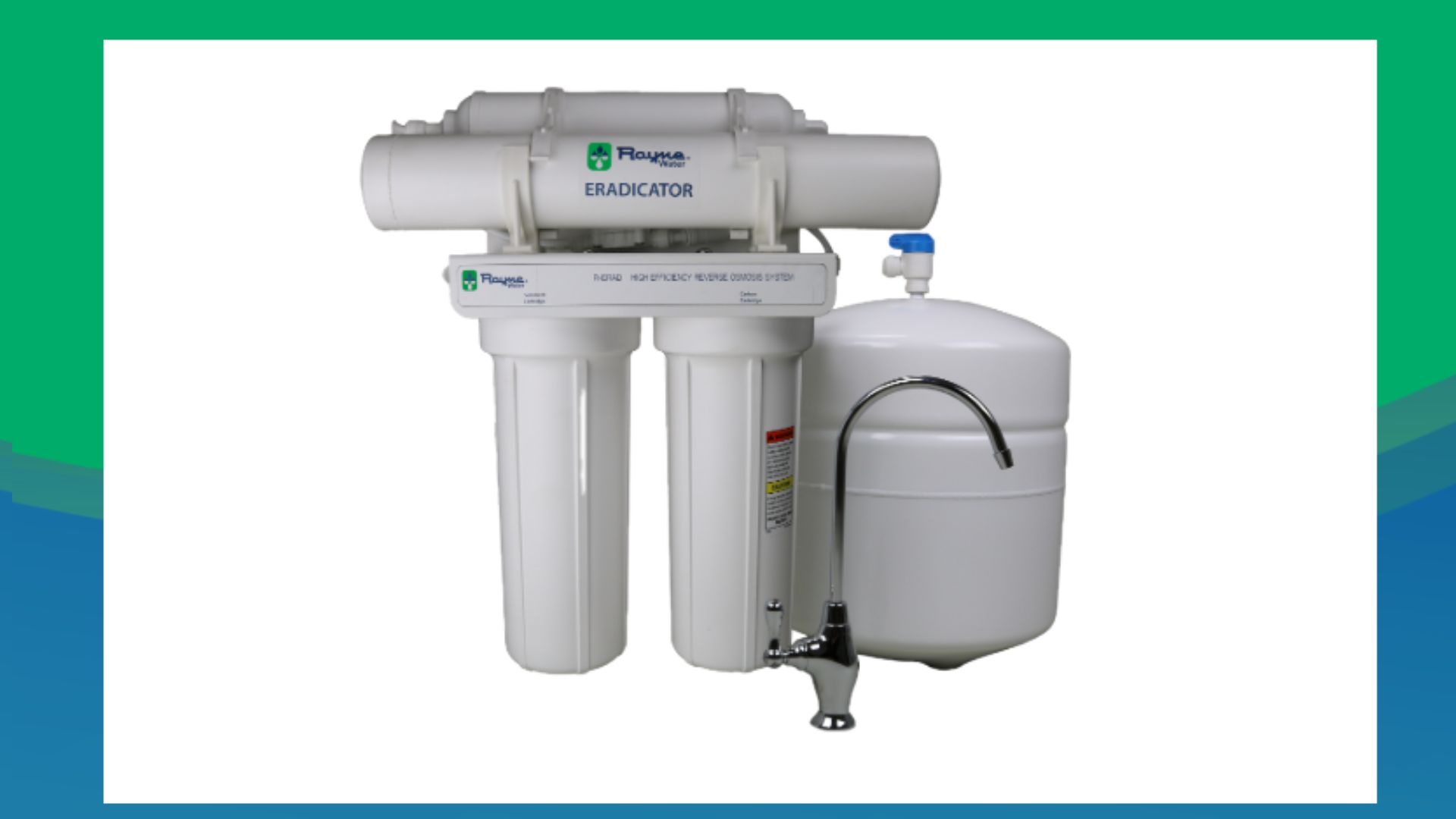
Many San Jose homes pair a softener with whole-home carbon for chlorine and an under-sink reverse osmosis unit for cleaner drinking water.
Does Rayne offer maintenance plans or salt delivery?
Yes. Rayne offers maintenance plans covering annual inspections, control-valve checks, and resin tune-ups, plus on-demand service between visits. Scheduled salt delivery brings softener salt to your door, so you skip the store runs and heavy lifting.
Ken Christopher is the Senior Vice President for Rayne Dealership Corporation. As a seasoned executive with over 20 years of leadership experience, he’s helped scale…
Join our newsletter
Subscribe our newsletter to receive the latest news and exclusive offers every week. No spam.


 GET A QUOTE