Santa Clarita is one of the few communities in California where salt-based water softeners are banned from discharging to the sewer system.
That single regulation changes how you need to approach water treatment in your home.
Between chloramine-treated supply, hard minerals, and rising PFAS concerns, choosing the right water filtration system in Santa Clarita requires a solution designed around local water quality and local rules.
At Rayne Water, we help Santa Clarita homeowners find compliant, effective filtration systems built for exactly those conditions.
Key Takeaways
Santa Clarita is a brine-restricted market, so self-regenerating salt-based water softeners are not permitted. Portable exchange services and salt-free conditioners are the compliant alternatives.
Local water hardness reaches 437 ppm (roughly 25.5 grains per gallon), which is classified as very hard by EPA standards.
Chloramines, PFAS, and dissolved solids in the local supply make water filtration in Santa Clarita a practical upgrade for health and taste.
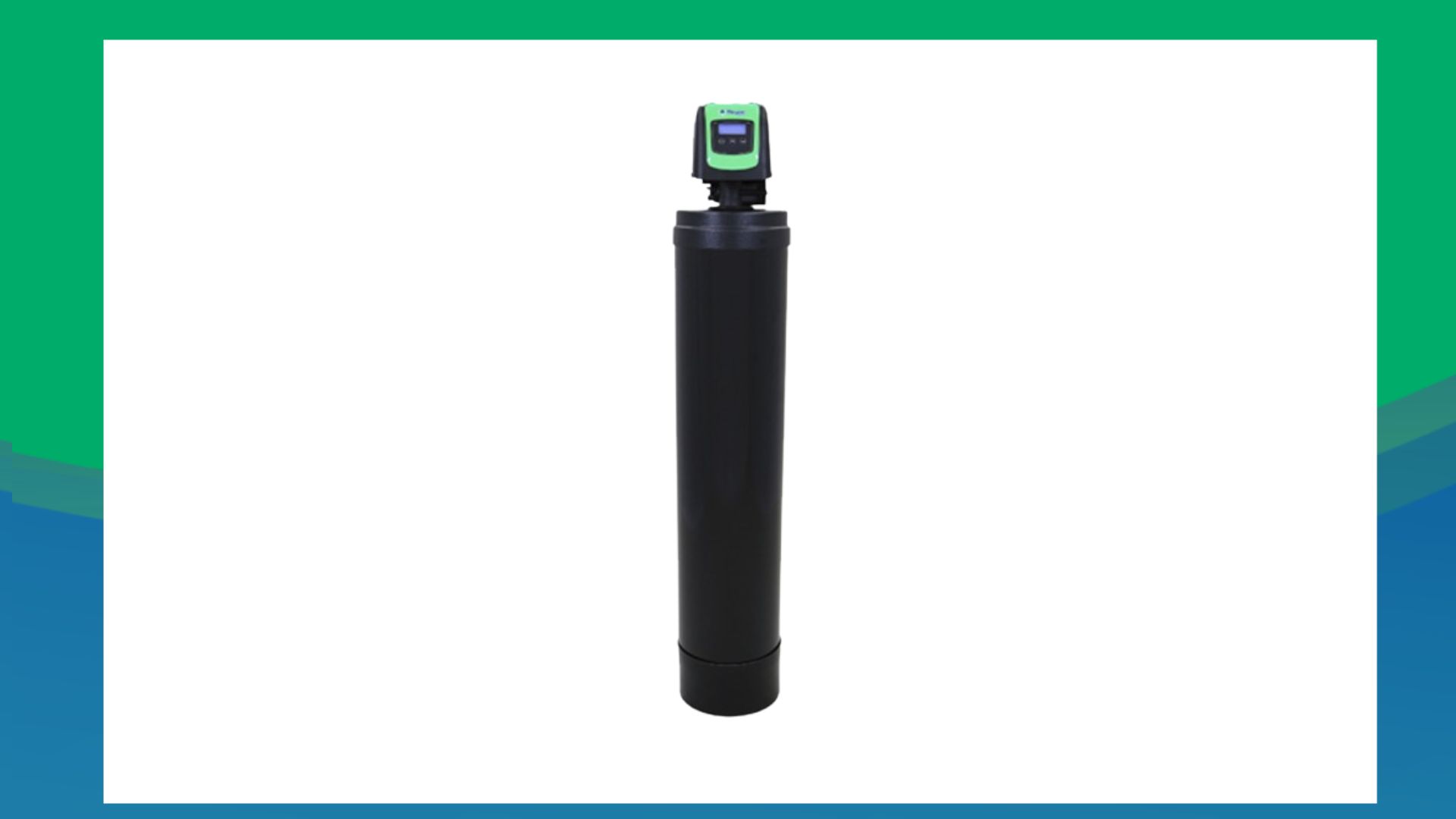
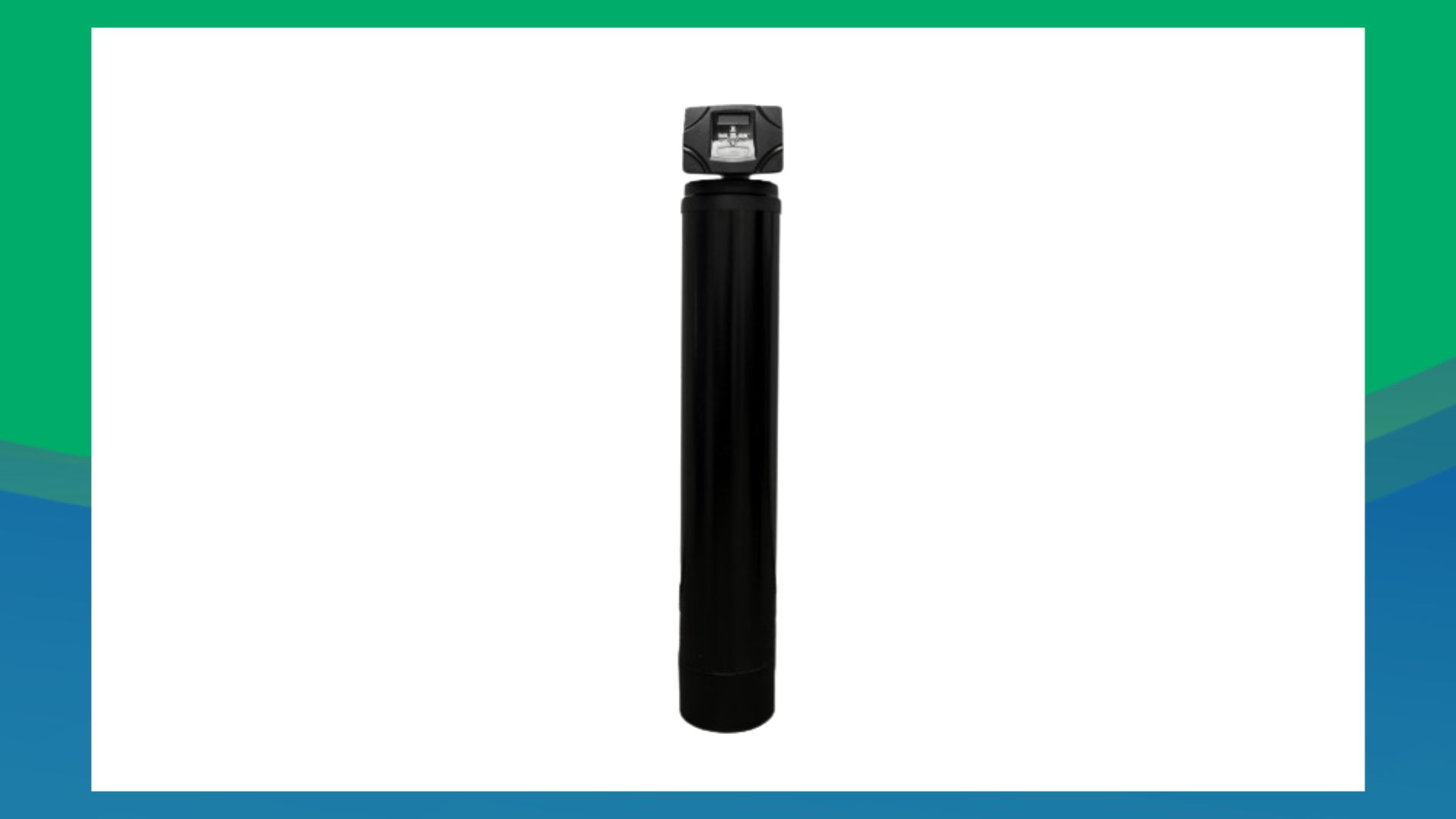
The Enhanced Scale Shield (ESS Series) is now Rayne’s flagship salt-free option for Santa Clarita, a dual-media system that prevents scale and reduces chlorine, taste, and odor simultaneously.
A professional water test is the most reliable way to identify what is in your water and which system fits your household.
Understanding Santa Clarita Water Quality
Before you choose a system, you need to understand what you are working with. Santa Clarita’s water supply draws from multiple sources, each with its own mineral profile and treatment history.
That blend shifts with the seasons, so what flows through your pipes in summer may differ from what arrives in winter.
Local Sources of Tap Water
Santa Clarita Valley Water Agency (SCV Water) delivers water from two primary channels. Roughly half comes from local groundwater wells tapping the Alluvial Aquifer and the deeper Saugus Formation beneath the Santa Clara River.
The other half travels hundreds of miles from the Sierra Nevada through the State Water Project aqueduct system.
Seasonal shifts influence the mix. During wetter years, imported allocations tend to be generous. In drought conditions, the valley leans heavier on groundwater, which carries higher concentrations of dissolved minerals.
That variability is why your water can feel noticeably different from month to month, and why a water filtration system in Santa Clarita that handles a range of conditions matters.
Common Contaminants in the Area
Your water meets federal safety standards, but that does not mean it is free of concerns.
SCV Water’s quality overview confirms that chloramines have been the primary disinfectant since 2005, which can affect taste and odor. Beyond that, several other issues are worth noting:
Hard water minerals: Calcium and magnesium push hardness up to 437 ppm in certain zones, well above the EPA’s 180 ppm “very hard” threshold
PFAS compounds: Trace levels have been detected locally. The EPA’s 2024 PFAS standards now set maximum contaminant levels at 4 parts per trillion for PFOA and PFOS
Perchlorate: SCV Water has built dedicated treatment facilities to address perchlorate in local groundwater
VOCs and sediment: Volatile organic compounds and particulate matter can enter through aging infrastructure or seasonal runoff
Why Filtration Is Necessary
Knowing what is in your water is one thing. Deciding what to do about it is the next step.
That gap between “legally compliant” and “ideal for your household” is exactly where water filtration in Santa Clarita makes a difference. Pairing filtration with a compliant conditioning or portable exchange service addresses both chemical concerns and hard-water damage in a single system.
Key Considerations Before Choosing a Water Filtration System
What’s in Your Water? (Get a Water Test)
Once you understand the risks, the next step is testing your specific supply. A professional water test measures hardness, TDS, pH, chloramine levels, and checks for contaminants like lead, PFAS, and nitrates.
Those results tell you exactly which filtration stages your home actually needs, so you avoid overspending on features that do not match your water profile.
Rayne offers complimentary in-home testing for Santa Clarita residents. Our local technicians collect samples, run the analysis, and walk you through the findings. Schedule a free water test and get clarity before making any investment.
What Are Your Water Goals?
With your test results in hand, the next question is simple: what do you want to fix? Your goals shape the type of system you need. Consider what matters most:
Better drinking water: A reverse osmosis system removes dissolved solids, heavy metals, and chemical byproducts for clean, great-tasting water on demand.
Appliance and plumbing protection: Whole-house filtration and conditioning reduce scale buildup and chemical wear on water heaters, dishwashers, and pipes.
Healthier bathing and showering: Removing chloramines at the point of entry helps reduce skin dryness, hair damage, and respiratory irritation.
Your household size also plays a role in system selection. A two-person home uses far less water than a family of five with multiple bathrooms.
Larger homes in Santa Clarita, particularly in communities like Valencia and Stevenson Ranch, often require higher-capacity systems to maintain pressure and filtration performance during peak morning and evening usage.
Sizing your system to match actual demand prevents flow-rate drops and ensures consistent quality at every outlet.
Budget and Maintenance Preferences
Cost matters too, but the upfront price is only part of the equation. Factor in filter replacement schedules, membrane changes for RO units, and annual servicing when comparing options. A system that costs less upfront but requires frequent maintenance may end up costing you more over five years than a higher-quality unit with longer service intervals.
Rayne’s service plans cover scheduled maintenance and filter replacements, keeping your ongoing costs predictable. That transparency helps you budget without surprises.
Types of Water Filtration Systems for Santa Clarita Homes
Reverse Osmosis (RO) Systems
If your goal is the cleanest possible drinking water, reverse osmosis is the standard.
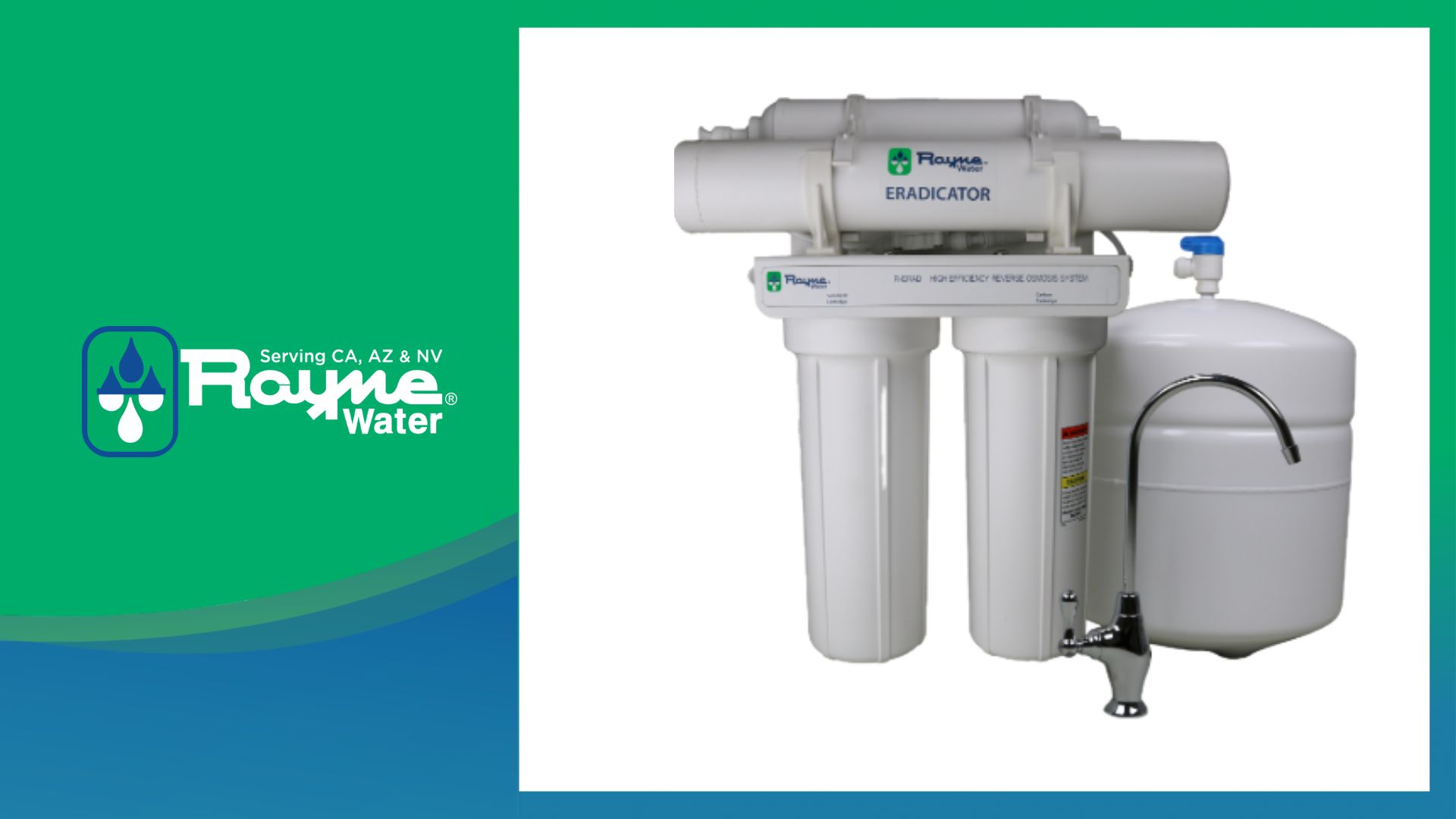
These under-sink systems force water through a semi-permeable membrane that captures dissolved solids, chloramine byproducts, heavy metals, and PFAS compounds.
Rayne offers several RO options to fit your needs. The Eradicator wastes 75% to 95% less water than conventional RO units. The Pure Plus adds a post-carbon filter for extra taste refinement. For a compact option, the Rayne Clear delivers reliable 95-97% TDS reduction in a smaller footprint.
Pros: Excellent purification, removes dissolved solids and chemical compounds, significantly improves taste
Cons: Limited to a single tap, produces some waste water (though the Eradicator minimizes this significantly)
Whole-House Filtration Systems
When you want every tap in your home to deliver treated water, you need a whole-house system. This kind of setup filters water right at the point of entry, so your kitchen faucet, your showerhead, and even your washing machine all draw from the same protected supply.
The ESS does two jobs in one tank. First, the Scale Shield TAC media converts your hardness minerals into non-adhering crystals, so calcium and magnesium pass through your pipes instead of clinging to them. Then the Rayne Enhancer carbon stage removes chlorine, taste, and odor caused by Santa Clarita’s chloramine disinfection.
Because it runs without salt, brine, or regeneration cycles, the ESS remains fully compliant with local sewer regulations.
You can pick the size that fits your household:
3L ESS: generally for three to four people
4L ESS: generally for five or more
If sediment is also a concern, you can add a Big Blue filtration unit at your main line for extra protection.
Pros: treats every tap, reduces chloramines and scale together, protects appliances and plumbing, fully brine-free.
Cons: it does not purify drinking water on its own, so you will want to pair it with an under-sink RO for that.
Carbon Filters
If your main concern is the chemical taste or smell from chloramine treatment, activated carbon filters are a straightforward fix.
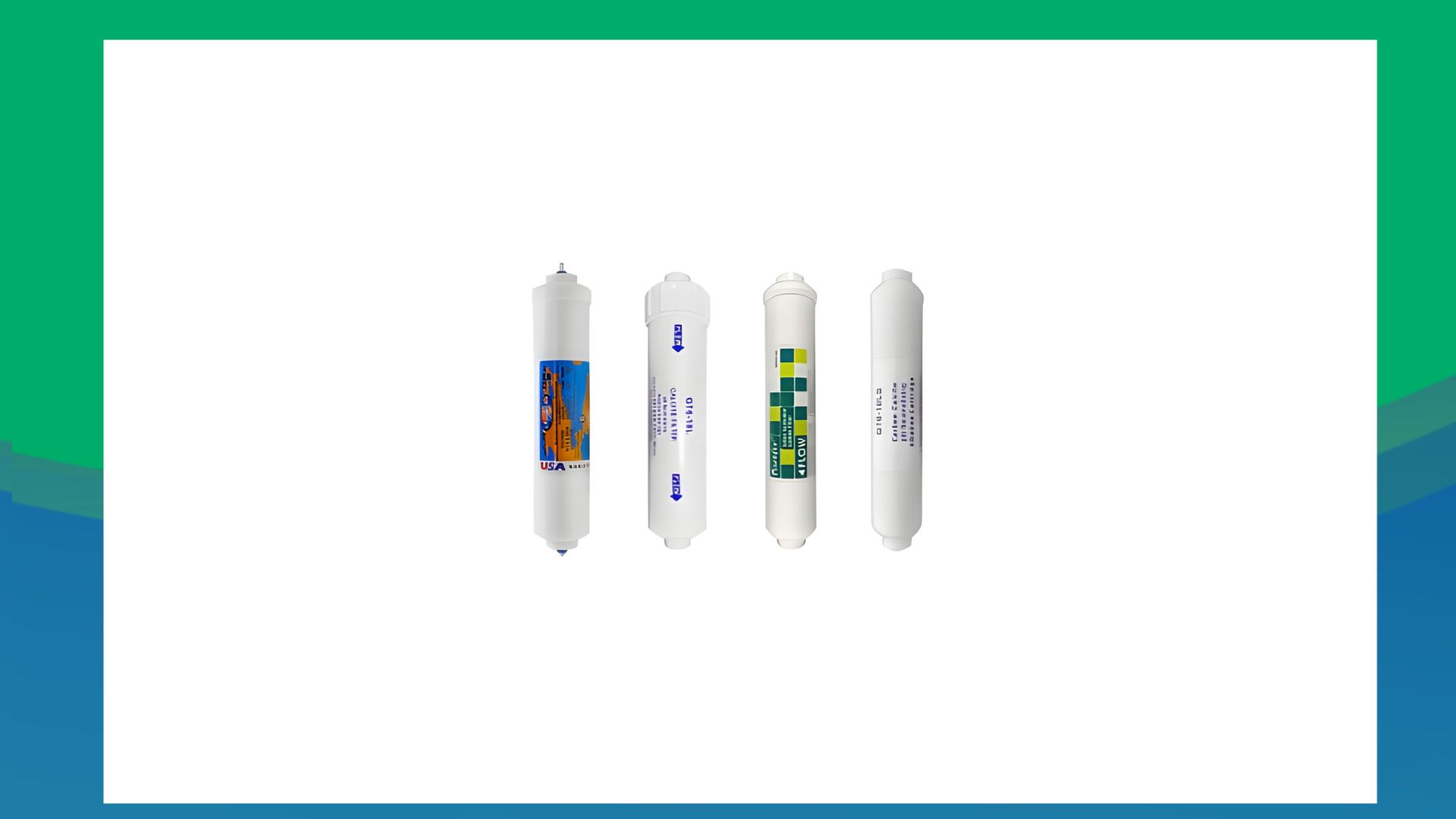
They adsorb chlorine, chloramines, VOCs, and chemical byproducts that make your tap water unpleasant. Carbon filters come in whole-house and single-tap configurations, so you can target exactly where you need improvement.
Rayne’s in-line filter systems offer a compact, easy-to-install option for targeted filtration where you need it most.
UV Purification (Optional Add-On)
For an extra layer of protection, ultraviolet purification uses UV light to neutralize bacteria, viruses, and other microorganisms without adding chemicals to your water.
While Santa Clarita’s municipal supply is already disinfected, UV filtration provides valuable protection for homes with stored water tanks, supplemental well water, or anyone who wants additional peace of mind. UV units integrate easily with your whole-house system and require only an annual lamp replacement.
Specialty Filters
Some concerns call for targeted solutions beyond standard carbon or RO systems. Specialty filters address specific contaminants that may show up in your water test:
PFAS reduction filters: Capture per- and polyfluoroalkyl substances at the molecular level, particularly relevant given Santa Clarita’s detected PFAS levels
Lead removal cartridges: Essential if your home has pre-1986 plumbing that may contain lead solder or fittings
Fluoride reduction filters: An option if you prefer to control fluoride levels in your drinking water
Rayne’s team can recommend the right add-ons based on your results, so your system targets only what actually shows up in your supply.
Salt-Free Conditioning and Portable Exchange: What Works in Santa Clarita
Since 2009, self-regenerating salt-based water softeners that discharge to the sewer have been prohibited locally. Two compliant paths remain for addressing hardness:
Salt-free conditioning uses TAC technology to alter the behavior of hardness minerals. Calcium and magnesium stay in the water, but they no longer cling to pipes, glass, or heating elements. The Enhanced Scale Shield (ESS Series) is built on exactly this approach and adds carbon filtration in the same tank.
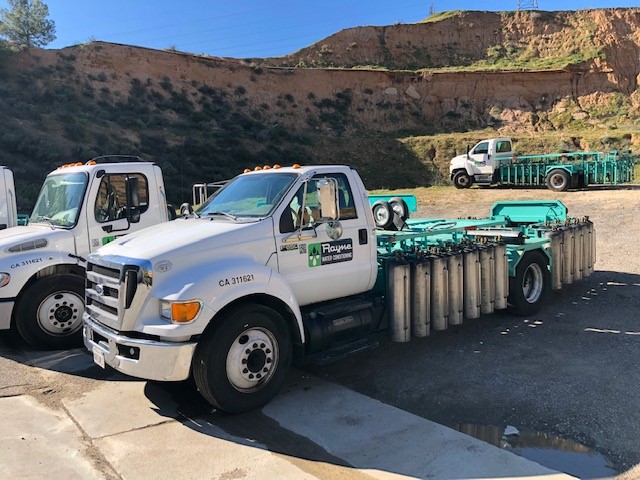
Portable exchange tank service delivers true soft water without any on-site regeneration. Rayne swaps pre-conditioned resin tanks on a regular schedule — no electricity, no drain line, no brine discharge at your home.
Pairing the ESS with a reverse osmosis system at the kitchen sink gives you whole-home-scale chloramine protection and ultra-pure drinking water in one coordinated setup. If you want a closer look at the trade-offs, our breakdown of how salt-based and salt-free systems compare is a good place to start.
Santa Clarita Water Filtration Installation: What to Expect
A clean install is what makes a great system perform like one. Here is what a typical Rayne installation in Santa Clarita looks like:
Site assessment: Your technician walks the property, identifies your water line entry point, and confirms available space and drainage access.
System placement: Whole-house units like the ESS typically install in the garage or along an exterior wall. Under-sink RO units fit beneath the kitchen counter.
Code-compliant connections: Licensed installers add bypass loops, correct fittings, and accessible shutoff valves so future service is straightforward.
Programming and walkthrough: Digital systems are calibrated to your water profile, and you receive a full walkthrough on operation and maintenance.
Key Benefits of Installing a Water Filtration System in Santa Clarita
Healthier Drinking Water
A properly configured filtration system reduces chloramine byproducts, dissolved solids, and trace contaminants like PFAS and perchlorate. What reaches your glass is cleaner, clearer, and better-tasting.
Chloramines in shower water strip natural oils, contributing to dryness, irritation, and dullness.
A whole-house carbon stage, like the one built into the ESS, removes those disinfectants before they reach your showerhead. Most homeowners notice softer skin and more manageable hair within the first couple of weeks of use.
Better Appliance Efficiency and Lifespan
Hard water minerals and chemical residue coat heating elements, clog valves, and reduce the efficiency of your water heater, dishwasher, and washing machine.
Filtration and conditioning keep those surfaces clean and extend equipment life.
Lower Household Costs
All of these benefits add up financially. Filtered tap water eliminates the need for bottled water.
A household spending $40 to $60 a month on bottles recovers that cost quickly with a quality RO system. Fewer plumbing repairs, longer appliance lifespans, and reduced soap and detergent usage create meaningful savings over the life of your system.
Why Choose Rayne Water for Santa Clarita Water Filtration?
When you are ready to invest, the partner you choose matters. Rayne Water has been treating hard, contaminated, and challenging water since 1928. That experience translates into systems and services built for real-world conditions.
Over 90 years of expertise in residential and commercial water treatment across California, Arizona, and Nevada
WQA- and EPA-certified technology that meets rigorous third-party performance standards
Full range of Santa Clarita filtration systems, including whole-house, point-of-use, salt-free conditioners, and portable exchange services
Experienced, licensed Rayne Water installers who understand Santa Clarita building codes, brine restrictions, and seasonal water variability
Customizable service plans with scheduled maintenance, filter replacements, and tank delivery so your system performs year after year
Trusted by thousands of homeowners across the Santa Clarita Valley, from Saugus and Valencia to Stevenson Ranch and Canyon Country
How to Get Started
Step-by-Step Process
Getting started with Rayne is simple. Here is how it works:
Schedule a free water test. Contact Rayne, and a local technician will visit your home to collect samples and analyze your water quality.
Get expert consultation. Your results come with a clear breakdown of hardness, TDS, chloramine levels, and any detected contaminants. Our team explains what each number means for your daily use.
Choose your filtration system. Based on your water profile, household size, and goals, Rayne recommends a configuration that fits your home and budget.
Enjoy professional installation and long-term support. Licensed Rayne installers handle every detail, and ongoing service plans keep your system running at peak performance.
Ready to Find the Right Filtration for Your Home?
Santa Clarita’s brine restrictions, hard minerals, and chloramine-treated water supply all demand a filtration approach tailored to local conditions. The right system protects your plumbing, improves the taste of your water, and keeps you compliant with local codes.
Rayne has the technology, the local expertise, and the service plans to match your home’s exact needs. Contact our Santa Clarita team today and take the guesswork out of your water.
FAQs
What’s the best water filter for Santa Clarita homes?
For most homes in Santa Clarita, the strongest combination is the Enhanced Scale Shield (ESS) at the point of entry paired with a reverse osmosis unit at the kitchen sink.
The ESS handles scale and chloramines for every tap in the house, protecting plumbing, appliances, skin, and hair, while RO delivers ultra-pure water for drinking and cooking. Because both systems are salt-free and brine-free, they comply fully with local sewer regulations.
Your specific water test results may favor a slightly different configuration, but this two-system setup is what we recommend most often across the valley.
Does Santa Clarita have hard water or chemical contaminants?
Santa Clarita water hardness reaches up to 437 ppm, well into “very hard” territory. Chloramines are used for disinfection, and trace PFAS compounds have been detected. A water filtration system in Santa Clarita addresses all three concerns.
How much does a whole-house filtration system cost?
Costs depend on system type, capacity, and installation complexity. Rayne provides free consultations to evaluate your water and recommend options that fit your budget, from compact carbon filters to full whole-house water filtration in Santa Clarita.
Can I install a filtration system myself, or should I hire a professional?
Under-sink RO systems can be DIY-friendly, but whole-house installations require licensed plumbing work for code compliance. Professional installation from Rayne ensures correct setup, optimal performance, and valid warranty coverage.
Does Rayne offer maintenance or filter replacement plans?
Yes. Rayne provides customizable service plans covering scheduled filter changes, membrane replacements, and system checkups for Santa Clarita homeowners. Portable exchange customers receive automatic tank swaps with zero salt handling required on your end.
Ken Christopher is the Senior Vice President for Rayne Dealership Corporation. As a seasoned executive with over 20 years of leadership experience, he’s helped scale…
Join our newsletter
Subscribe our newsletter to receive the latest news and exclusive offers every week. No spam.


 GET A QUOTE