Los Angeles homes typically deal with two water issues at once: chemical disinfectants and hard-water minerals. Together, they affect taste, leave residue on fixtures, and shorten the lifespan of plumbing and appliances. Solving the problem requires targeting each issue separately rather than relying on a single device.
For water filtration in Los Angeles, we’ll match you with a setup that fits your space and plumbing. Rayne Water installs and services your water filtration system, with experienced technicians who understand Los Angeles plumbing and water conditions.
Why Los Angeles Homes Need Water Filtration
Hard water makes water filtration in Los Angeles a priority. It leaves spots on glassware, builds scale on fixtures, and slowly clogs aerators and showerheads.
At the same time, city water is treated with disinfectants to keep it safe, and those chemicals may leave an off-taste, especially in hot water.
LADWP uses chloramines to keep water safe as it moves through long pipe networks.
Extensive testing by LADWP confirms the water meets safety standards, but disinfectants can still affect taste and smell at the tap, something basic filters don’t always remove well.
That is why many homes in Los Angeles install a whole-home carbon filtration system for showers and laundry, add softening for minerals, and reserve under-sink RO for drinking.
What’s in LA Tap Water? Common Issues and Contaminants
As stated earlier, Los Angeles water is tested and regulated, and annual reports show it meets safety standards. Still, trace contaminants and minerals can affect taste and performance at the tap, which is where targeted treatment comes in.
Chloramine vs chlorine
Chloramine and chlorine both disinfect water, yet they behave differently.
As reported by the U.S. EPA, chloramines form when ammonia is added to chlorine, providing longer-lasting disinfection as water moves through pipes. The CDC reports that both chlorine and chloramine are used to kill germs in water, and it also notes the regulatory safe level threshold that utilities work within.
What this means for you is simple: if your water is treated with chloramines, basic “chlorine taste” filters might disappoint, and carbon media choice matters.
Hardness: calcium and magnesium
Hardness is the mineral content that leaves scale. It usually doesn’t make the headlines, but it quietly damages fixtures and appliances.
Metropolitan’s water quality tables break down hardness ranges by treatment plant, making it clear why water feels different depending on where you are in the Los Angeles area.
TDS: total dissolved solids
TDS is the total amount of dissolved minerals and salts in your water.
You taste it in coffee and tea, and you see it when kettles build a chalky film, or glassware dries with a faint haze.
High TDS does not automatically signal danger, but it often signals “busy” water. That is why under-sink RO filters are so popular for drinking water. It removes a significant share of dissolved solids, so your water tastes cleaner and your beverages stay consistent.
Trace contaminants and older home issues
Some concerns start inside the home, not at the treatment plant. Older plumbing and fixtures can introduce metals into the water at the tap, especially when water sits in the pipes overnight.
Trace compounds can also exist at very low levels in modern water supplies because everyday products wash into wastewater and waterways. This is where targeted filtration helps. A whole-home carbon filter improves the comfort water, while point-of-use filtration, including RO, focuses on what you drink.
Variability by neighborhood and source
In Southern California, water blends across sources, agencies, and treatment plants. Metropolitan describes its role as a regional wholesaler serving nearly 19 million people across multiple counties, importing supplies to supplement local sources.
You do not need to memorize the whole chain to make a good decision. You only need enough context to pick a system that matches disinfectant type, hardness, and your goals.
Filtration vs. Softening: What’s the Difference?
A lot of LA shoppers mix these up because both improve “water quality,” yet they solve different problems. Softening changes how water behaves in your home, especially around scale and soap.
Filtration changes what you smell and taste, and potentially reduces them, depending on the media and the claim.
What do you notice at home
What it usually points to
Best fix
What it helps
What it does not do
Spots on glass, crust on fixtures, stiff towels, scale in kettles
Hardness minerals (calcium, magnesium)
Water softener
Reduces scale buildup, improves lather, protects heaters and valves
Does not remove disinfectant taste or odor
Chemical taste or smell in showers and drinks
Disinfectant residual
Whole-house water filtration with carbon (often catalytic for chloramines)
Improves taste and odor across showers, laundry, and sinks
Does not remove hardness scale
Drinking water tastes “mineral-heavy,” tea and coffee taste dull
Higher TDS in drinking water
Under-sink RO
Lowers TDS at the kitchen tap
Does not treat the whole home
You want comfort water plus appliance protection
Two problems at once
Softener + whole-home carbon, plus RO for drinking
Covers shower comfort, scale control, and drinking water taste
Costs more than a single system, needs planned maintenance
Best Water Filtration Systems for Los Angeles Homes
The best systems for LA usually fall into three categories: whole-house filtration, under-sink RO, and combination systems that treat both disinfectant and hardness.
The core idea is to treat your home like zones:
Your showers and laundry benefit from whole-house treatment.
Your drinking water benefits from a tighter, high-performance point-of-use system.
Whole House Filtration System
A whole-house system installs at your main line, so it treats water before it reaches every shower, sink, and appliance. That matters in LA, because the taste you notice at the kitchen tap usually shows up again in the shower steam.
Most setups use two stages that work together:
A sediment filter to catch grit and protect the main media
A carbon tank designed to reduce disinfectant taste and odor across the home
This improves shower comfort, keeps laundry smelling fresher, and helps your fixtures stay cleaner between deep scrubs.
Reverse Osmosis (RO) Systems for Drinking Water
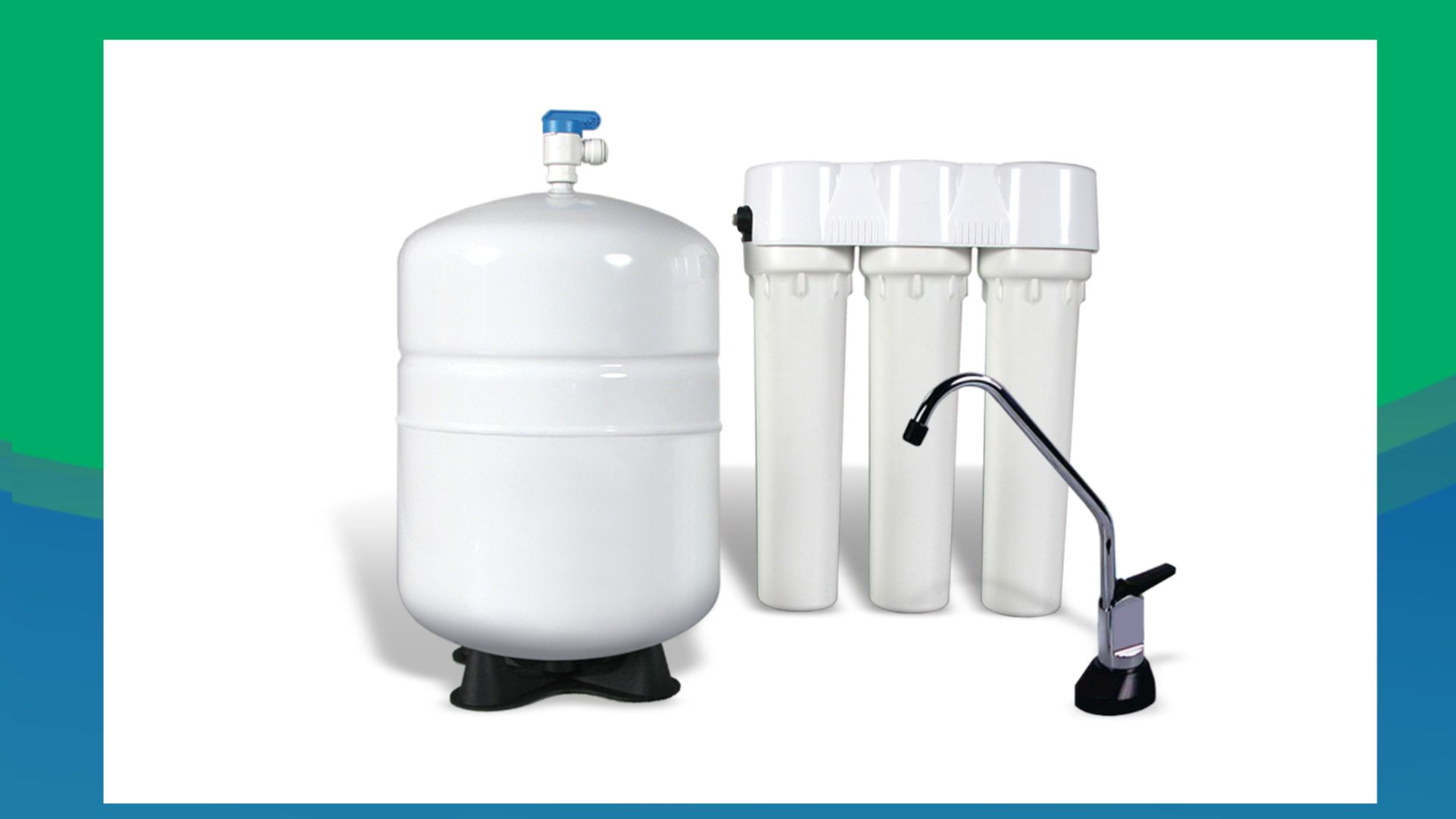
Reverse osmosis sits under your kitchen sink and produces dedicated drinking water. It shines when your tap tastes mineral-heavy, and you want a cleaner flavor for coffee, cooking, and baby formula.
Look for systems tested to NSF/ANSI 58, a performance standard that aims to reduce total dissolved solids, according to ANSI. Most RO setups use prefiltration, a membrane, and a small storage tank, so your drinking water stays consistent even when the rest of the home’s water varies.
Combination Filter + Softener Units
Combination systems treat two major LA categories in a single integrated system: disinfectant taste and hardness minerals. They work well when you want one footprint, one control head, and one service rhythm, rather than stacking separate systems across the garage.
This option also makes sense when you are protecting high-end fixtures, tankless equipment, and water-using appliances. Scale is not a single-faucet issue. It installs anywhere hot water flows, so addressing hardness at the main line can prevent many small problems from turning into repairs.
Rayne Water’s Top Filtration Solutions in LA
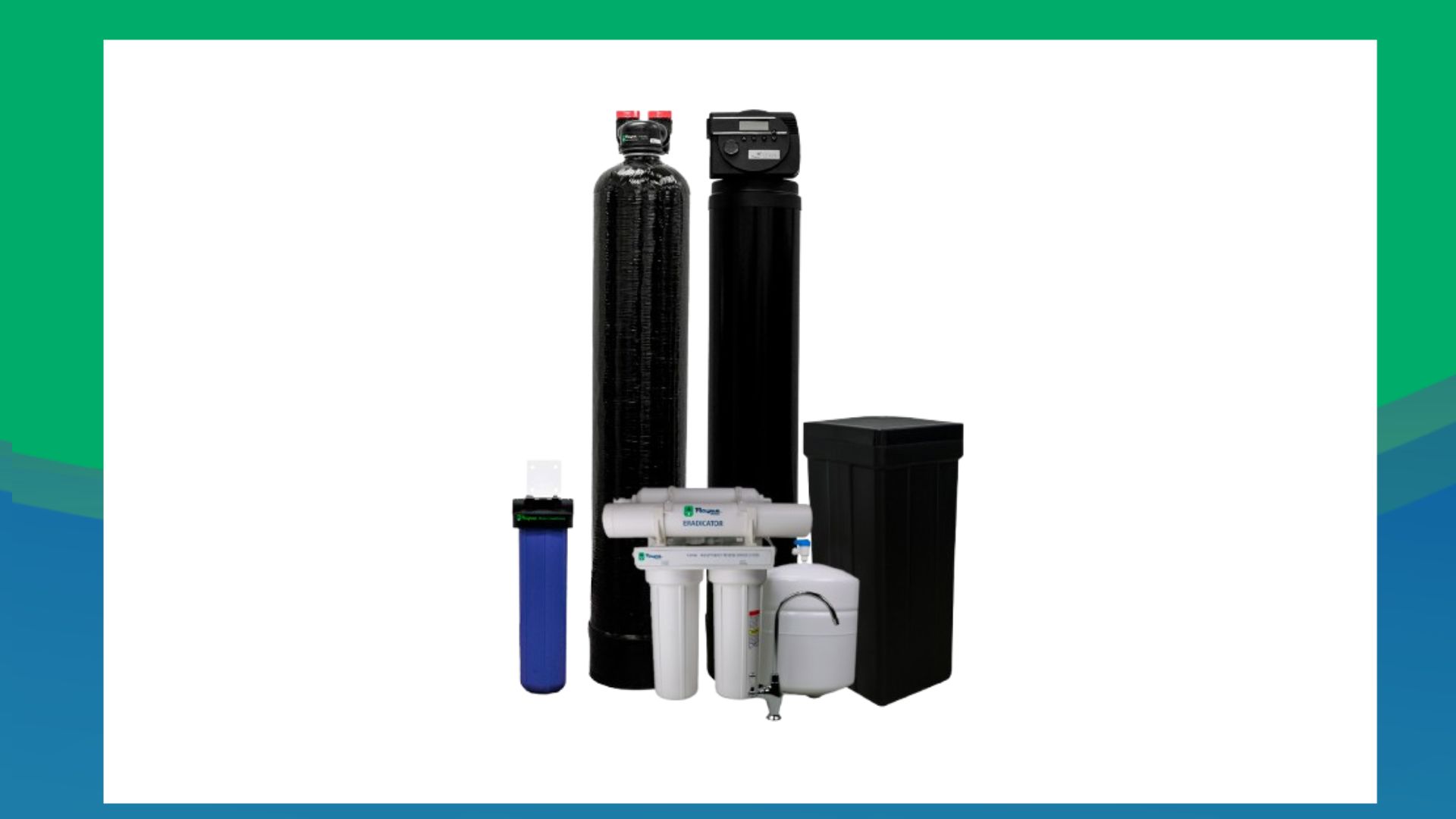
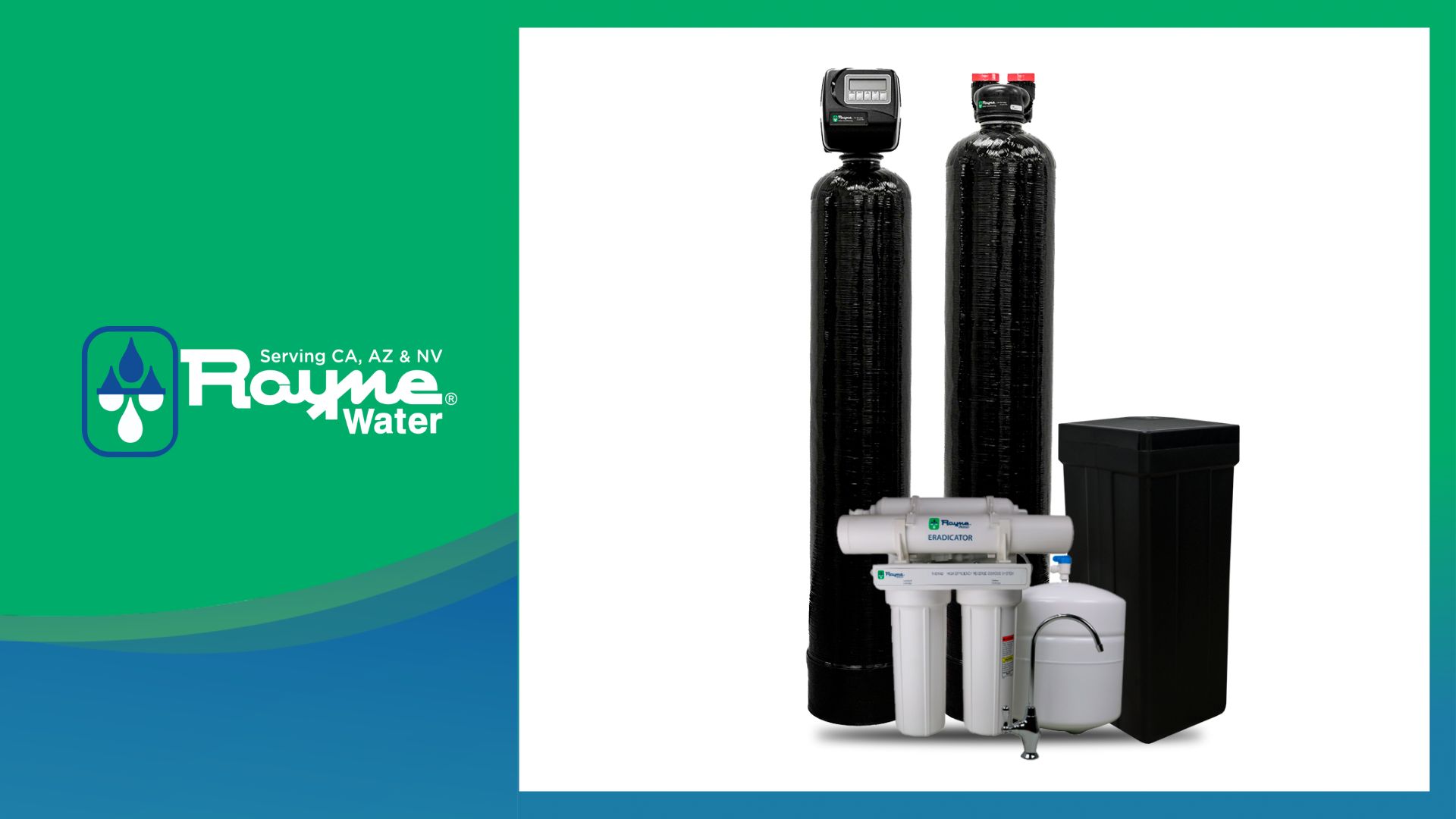
Here are Rayne’s options for a Water filtration system in Los Angeles, tuned for showers, drinking water, and full-home protection.
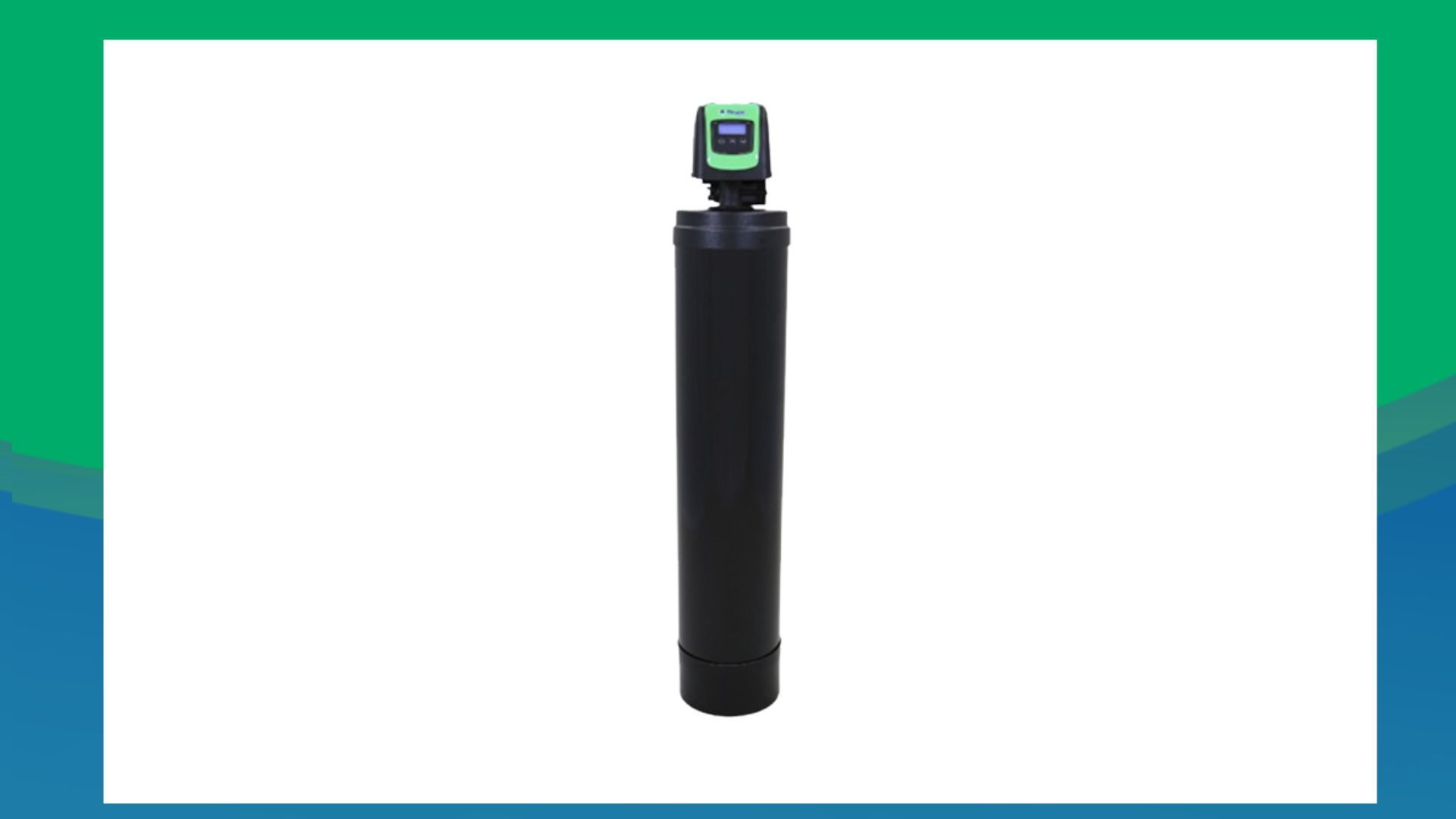
Rayne Enhancer Whole House Carbon Filter
Rayne’s Enhancer is a whole-home carbon filter built for the stuff you notice daily: disinfectant taste, shower odor, and that lingering “tap” smell in laundry because it treats water at the point of entry, every faucet benefits, including water lines that amplify odor for busy households.
It can run on its own or alongside a softener, so you get lean-up taste while still protecting plumbing. It stays simple with no salt, no drain connection, and no electricity, which keeps install flexible in tight LA garages.
Rayne Eradicator Reverse Osmosis Drinking Water System
Rayne’s Eradicator Series is best when you want drinking water that tastes clean and neutral, especially for cooking, coffee, and ice.
It’s built to be efficient, wasting 75% to 95% less water than many traditional RO systems, so you get great water without the usual drain-guilt.
Our design also keeps upkeep predictable. Filters can last up to 2 years, and the membrane up to 3 years, plus a water-saving automatic shut-off helps the system stop making water until more is needed.
You can size it for your household with 36, 50, or 75 GPD options, and it’s rated to reduce TDS by 93% to 97%, along with contaminants like arsenic, nitrates, sodium, copper, lead, some organic chemicals, and fluoride.
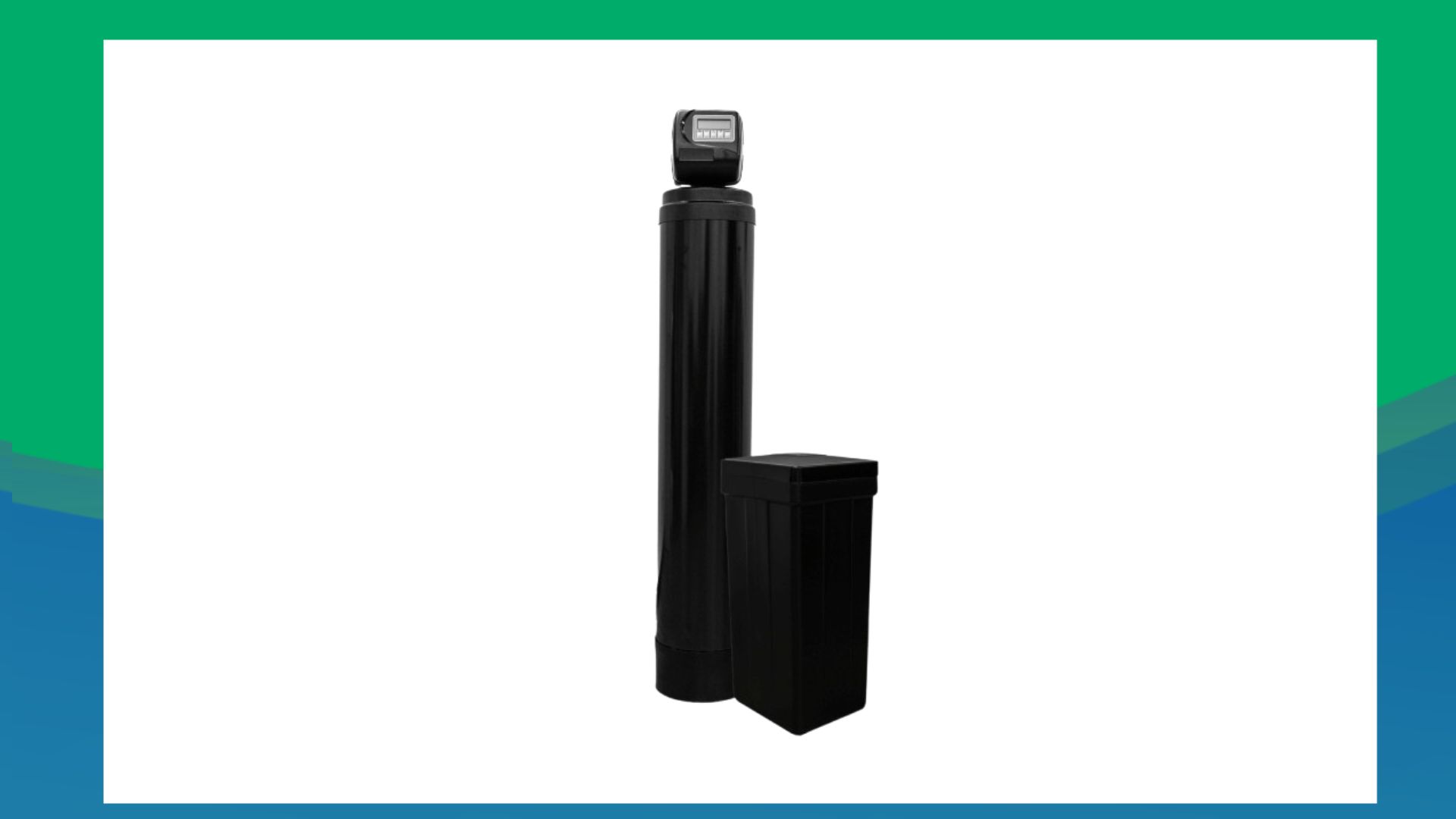
Rayne Combo Systems (Softener + Filter)
Combo systems handle hardness and taste in one path, so you are not juggling separate tanks, settings, and service schedules.
Rayne’s hybrid softener and filter designs combine softening with filtration, cutting the need for multiple systems and saving space. They are built to use less water and salt, which helps households that want scale control without babysitting. When your showers, fixtures, and appliances all feel the same pain points, this is the “full home” move.
How to Choose the Right Water Filtration System in LA
You make this decision faster when you start with your goal rather than the product type.
Ask yourself what you want to feel, taste, and protect.
You can also use your home as a clue. An older house, a tankless heater, a high-end shower system, and a heavy coffee habit all point toward different priorities.
This is the core chooser logic:
If your goal is cleaner showers, better-smelling water, and improved whole-home taste, you are shopping for a whole-house carbon system designed around chloramines.
If your goal is drinking water purity and a low-TDS taste, you are shopping for an under-sink RO that meets recognized standards for TDS reduction.
If your goal is scale control across fixtures and appliances, you are pairing filtration with softening because hardness is a separate lever.
Questions to Ask Before Buying
You can get clear answers without turning it into a science project.
Do you want taste and odor improvement across the whole home, or only at the kitchen sink?
Do you want a solution aimed at disinfectant taste, hardness scale, or both?
Do you live in an older home where lead-certified filtration is a priority? As reported by the S. EPA, lead risk often ties to plumbing materials and corrosion, not just to source water.
Best Water Filtration for Apartments, Condos, and Rented Homes
Renting in LA changes what is realistic. You may not control the main shutoff, and a landlord usually wants upgrades that reverse cleanly.
An under-sink RO system fits that reality because it lives inside a cabinet and taps a single cold-water line. Countertop filters can also smooth taste for everyday drinking, which matters since treated water relies on disinfectants, as the CDC explains.
Hard water still leaves spots, so small-footprint options help when a full softener is off the table.
Portable exchange-style softening can reduce scale without permanent plumbing or a drain connection in apartments.
Recommended Rayne Water Solutions
Hard water and disinfectants affect Los Angeles homes in different ways, which is why water filtration often works best as a combination rather than a single system. The Rayne Enhancer Whole House Carbon Filter treats water at the main line to reduce disinfectant taste and odor, improving showers and laundry without salt, drains, or power.
For drinking and cooking, the Rayne Pure Plus RO Drinking Water System installs under the sink and delivers 95–97% TDS reduction, helping coffee, ice, and meals taste cleaner. When hardness and taste issues occur together, the Rayne Whole House Complete Combo System combines softening, whole-home carbon filtration, and RO into a single integrated system that protects plumbing and improves water quality at every tap.
These options build a water filtration system in Los Angeles that balances shower comfort, drinking water clarity, and scale protection.
Whole House Water Filtration System Installation in Los Angeles
Installation starts with a site walk, since placement drives performance and service access. We note where the main line enters, confirm shutoff and bypass options, and pick a protected, reachable spot.
Expect a few checks during setup:
Pipe size and flow needs, so the system matches peak shower and laundry demand
Clearance for tanks and filter changes, including anchoring where needed
Drain and power availability, mainly for softeners or RO accessories
Code or permit questions tied to older plumbing, garages, and multi-unit properties
Afterward, we pressure-test, flush the media, walk you through care, and confirm water pressure stays steady overall.
Cost of Water Filtration Systems in LA
Water filtration costs in LA depend on what you treat, how much water your home uses, and the complexity of the installation. Under-sink ROs stay lower because they serve one tap and use compact hardware.
Whole-home filtration rises with flow rate, pipe access, and the size of the carbon tank. Combo systems cost more, yet they simplify space, settings, and service.
A realistic budget usually includes:
Equipment sized for your fixtures and daily demand
Labor plus any minor plumbing adjustments
Ongoing filter changes, plus service if you want hands-off upkeep
Maintenance and Service
Maintenance is what keeps your system doing the job you bought it for. Skip it, and performance fades so slowly you adjust your habits without noticing.
Whole-house carbon lasts longer than small pitcher filters, yet it still has a capacity limit. Sediment filters clog sooner in some homes, especially when older plumbing sheds grit after shutoffs.
Plan around a simple rhythm:
Sediment prefilter checks every few months, with swaps as pressure drops
Carbon media replacement on a set schedule based on usage and goals
RO prefilters are replaced regularly, and a membrane change is performed when output declines.
Rayne service keeps those dates consistent, so you stay on track without having to guess.
Environmental Benefits of Filtration
Home filtration can shrink your plastic footprint fast, especially when bottled water is your backup plan for taste. Once your tap water feels drinkable, refilling becomes the default, not a chore.
The environmental win gets bigger when you size your system correctly.
Oversized setups waste money and create extra filter changes, while undersized systems burn through media and disappoint.
Targeted treatment keeps it efficient. You treat the whole home for shower comfort and odor control, and you treat the kitchen tap for drinking water purity. That balance avoids over-filtration, reduces unnecessary waste, and keeps your system working with your actual habits.
Best Commercial Water Filtration Systems in Los Angeles
In commercial spaces, “taste” turns into repeat business fast.
We see three big categories in Los Angeles: restaurants, hospitality, and car washes. Each one cares about water in a different way, yet they all run into the same two villains: the taste of disinfectant that guests notice, and hardness that shortens equipment life.
Commercial systems also need uptime. That is why we build around capacity, redundancy, and a service plan that keeps water consistent during peak hours.
Alternating Twin Water Softener: For continuous soft water that protects boilers, dishwashers, and washers without downtime.
Carbon Tank Exchange Service: For whole-site taste and odor improvement with scheduled tank swaps, built for low-maintenance operations.
Water Filtration + Softeners: Why Combination Systems Work in LA
LA water rarely has one single issue, so a combination treatment feels practical. One system improves comfort, yet another protects appliances, and drinking water still has its own taste goals. When you treat the house in layers, each piece does less work and performs better.
A strong combo plan usually looks like this:
Whole-home carbon filtration at the main line to reduce disinfectant taste and odor across showers, laundry, and sinks.
Water softening to cut hardness minerals that create scale in heaters, valves, and fixtures.
Under-sink RO for drinking and cooking water when you want lower TDS and a cleaner flavor.
A bypass valve setup so service stays simple and water keeps flowing during maintenance.
How to Get Started with Rayne Water in Los Angeles
You get better outcomes when the plan starts with your home, not a generic bundle. We begin with a quick consultation and water test, so you see what you are treating and why it matters.
Once we know your goals, we size the system to your flow, space, and plumbing layout. You also get a clear service rhythm, so performance stays steady. When you are ready, you can explore, find a location, browse our reviews, or check commercial Solutions.
Suggested System Paths
Pick the path that matches how you use water at home:
Taste and odor focus: whole-house carbon filtration for shower and laundry comfort
Low-TDS drinking water: under-sink RO for cooking, coffee, and daily hydration
Full-home protection: softener plus whole-house filtration, with RO reserved for drinking
Apartment path: under-sink RO, plus compact filtration when you want better taste
Checklist: What to Know Before Buying
You can make this decision in minutes by gathering a few basics.
Bring these details into your buying conversation so your system gets sized correctly:
How many people live in the home, plus how many showers and high-flow fixtures you use daily
Your main goal: taste, odor, hardness scale, drinking water purity, or a mix
Install constraints like space, HOA rules, access to the main line, and drain availability
Any older plumbing concerns tied to lead, because lead risk often ties to fixtures and service lines, not the treatment plant.
What would your water feel like if it finally matched your home?
Taste is a good starting signal, yet it is not the full story. Hardness works quietly in the background, building scale in heaters, valves, and fixtures, while disinfectant taste shows up in showers and drinks.
When you treat only one side, the other one keeps tugging at your daily routine.
A balanced LA setup treats water in layers. Whole-home filtration improves comfort water at every faucet, softening cuts the mineral load that causes scale, and under-sink RO polishes drinking water when you want a cleaner finish.
When you want clarity without guesswork, Rayne Water helps you map the right system for your home, set constraints and goals, and keep it running with service you can actually count on. Contact us to get started.
FAQs
Do I need a whole-house water filtration system in Los Angeles if I already have a water softener?
A softener removes hard water minerals that cause scale, but it does not fix the taste of disinfectant. A whole-house water filtration system in Los Angeles uses carbon media to improve smell and shower comfort across every faucet. Many homes pair both and add an under-sink RO for drinking.
What is the difference between a water filtration system in Los Angeles and reverse osmosis?
A water filtration system in Los Angeles can treat the whole home at the main line, improving showers, laundry, and fixture odor. Reverse osmosis usually treats one tap under the sink and targets dissolved solids to deliver cleaner-tasting drinking water. They solve different zones, so many homes use both.
Is chloramine in Los Angeles water something I should filter out?
Chloramine helps keep water safe through long pipe runs, yet some people notice a taste or shower odor. Water filtration in Los Angeles often uses catalytic carbon to reduce chloramine-related taste, while keeping softening separate from scale control. If symptoms are only at the sink, point-of-use filtration may be enough.
If my home is older, what should I prioritize for water filtration in Los Angeles?
In an older home, focus on what happens inside your pipes. Prioritize a point-of-use filter certified for lead reduction at the kitchen tap, and consider whole-home carbon for taste. This layered water filtration system protects what you drink and improves the comfort water without overbuilding.
How do I know what certifications matter when buying filtration?
Certifications keep product claims honest. NSF/ANSI 42 supports taste and odor claims; NSF/ANSI 53 supports many health-related reductions, such as lead; and NSF/ANSI 58 applies to reverse osmosis performance. Use these labels to choose the right whole-house water filtration system in Los Angeles for your goals.
Ken Christopher is the Senior Vice President for Rayne Dealership Corporation. As a seasoned executive with over 20 years of leadership experience, he’s helped scale…
Join our newsletter
Subscribe our newsletter to receive the latest news and exclusive offers every week. No spam.


 GET A QUOTE