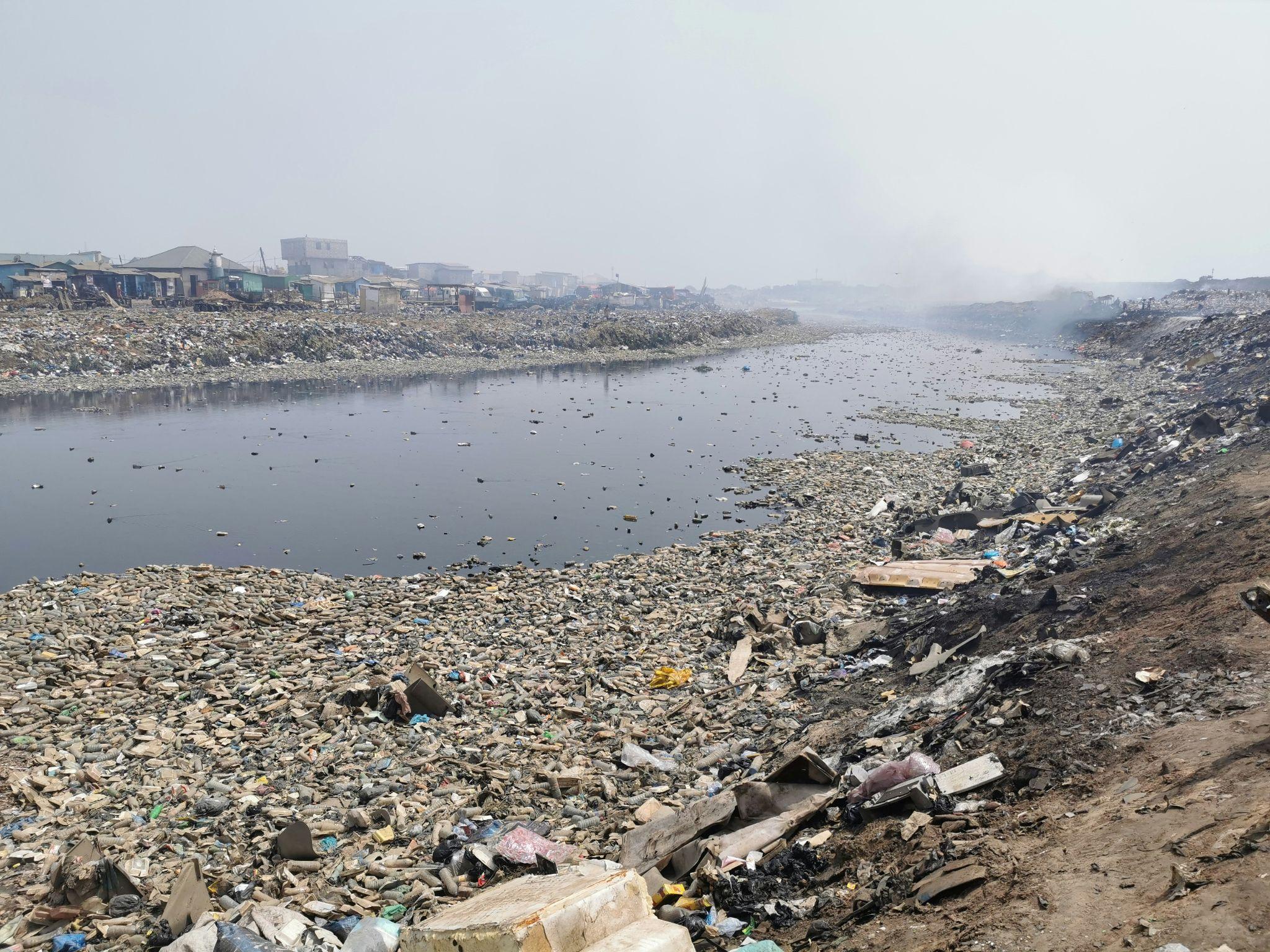
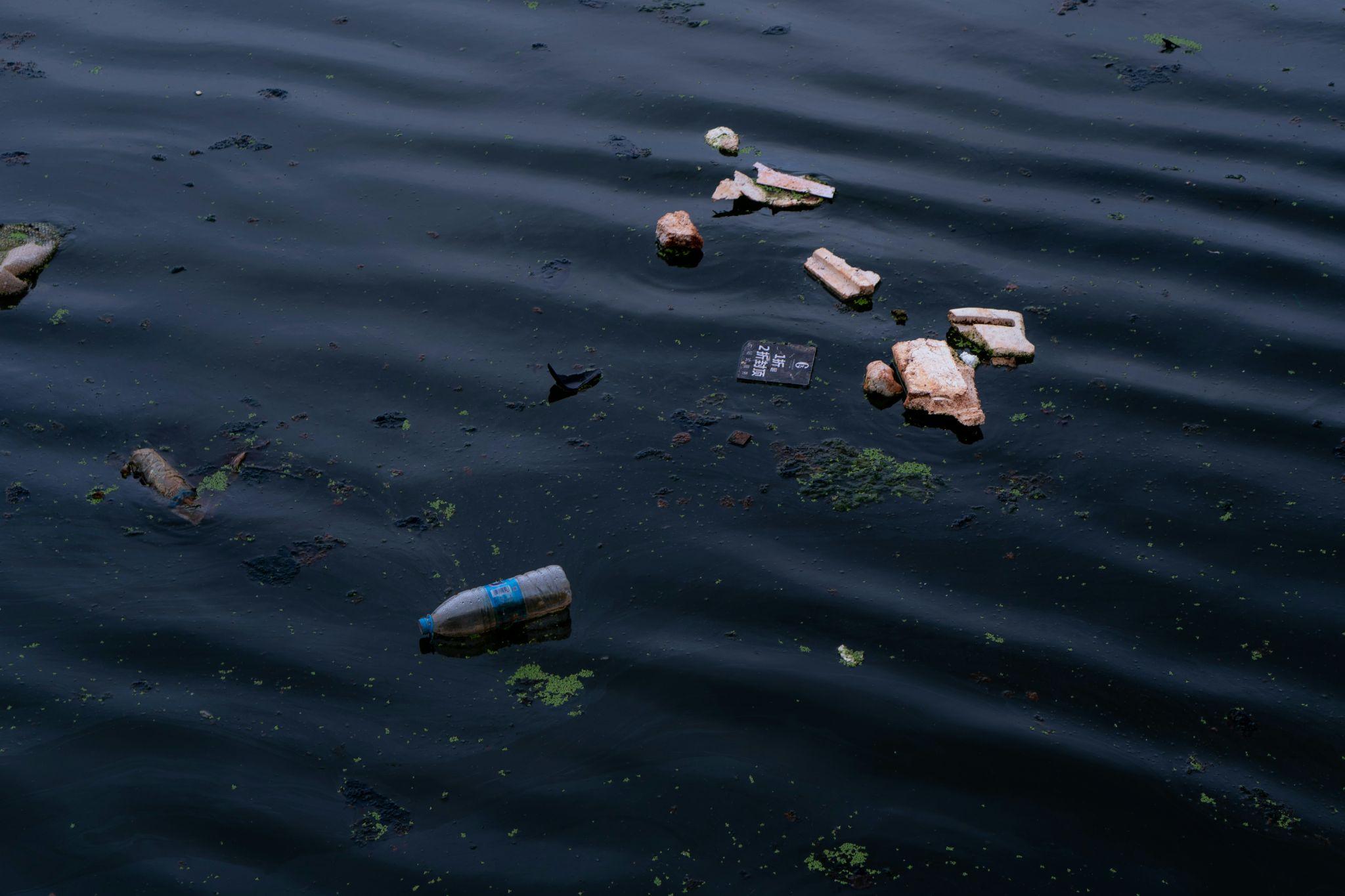
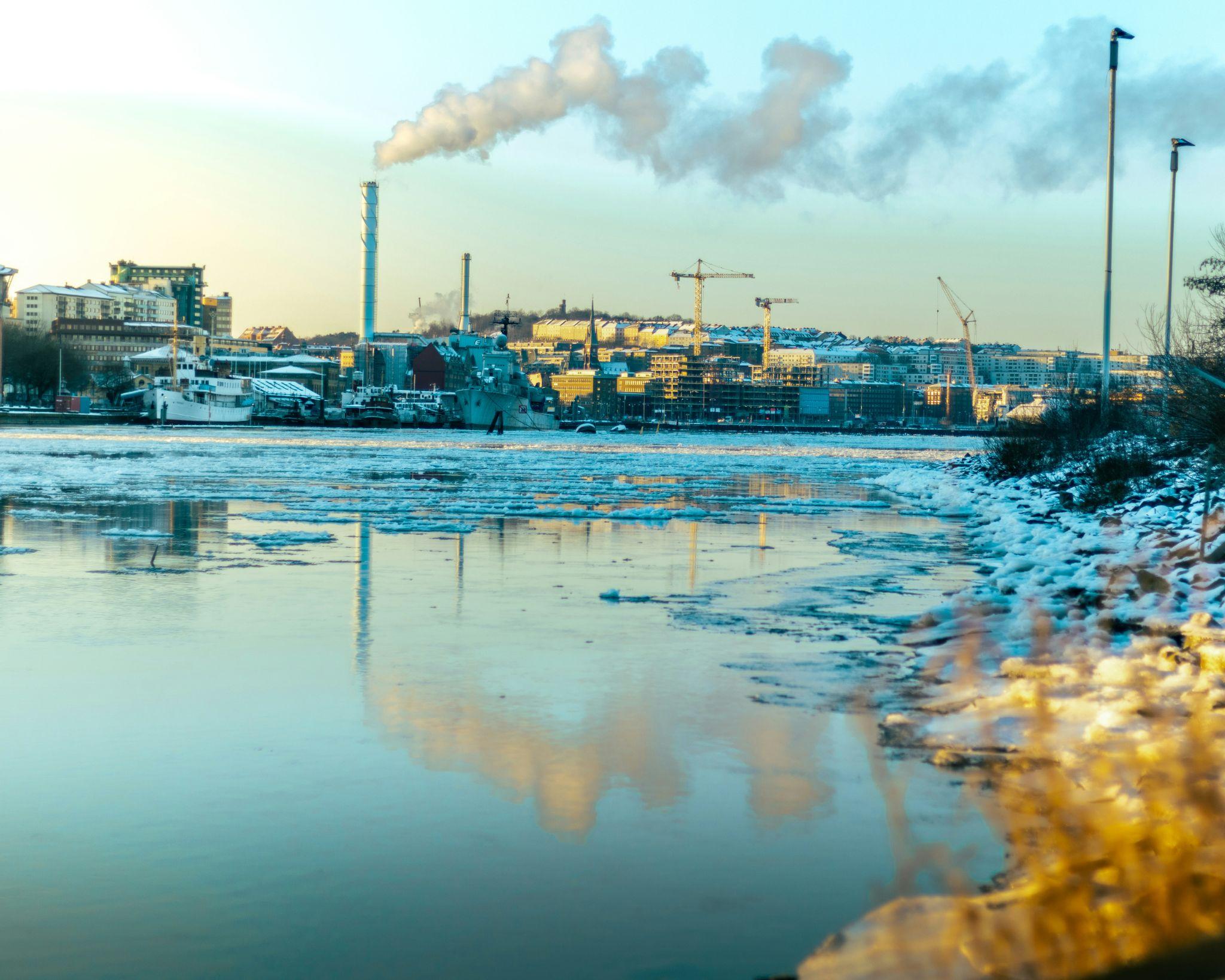
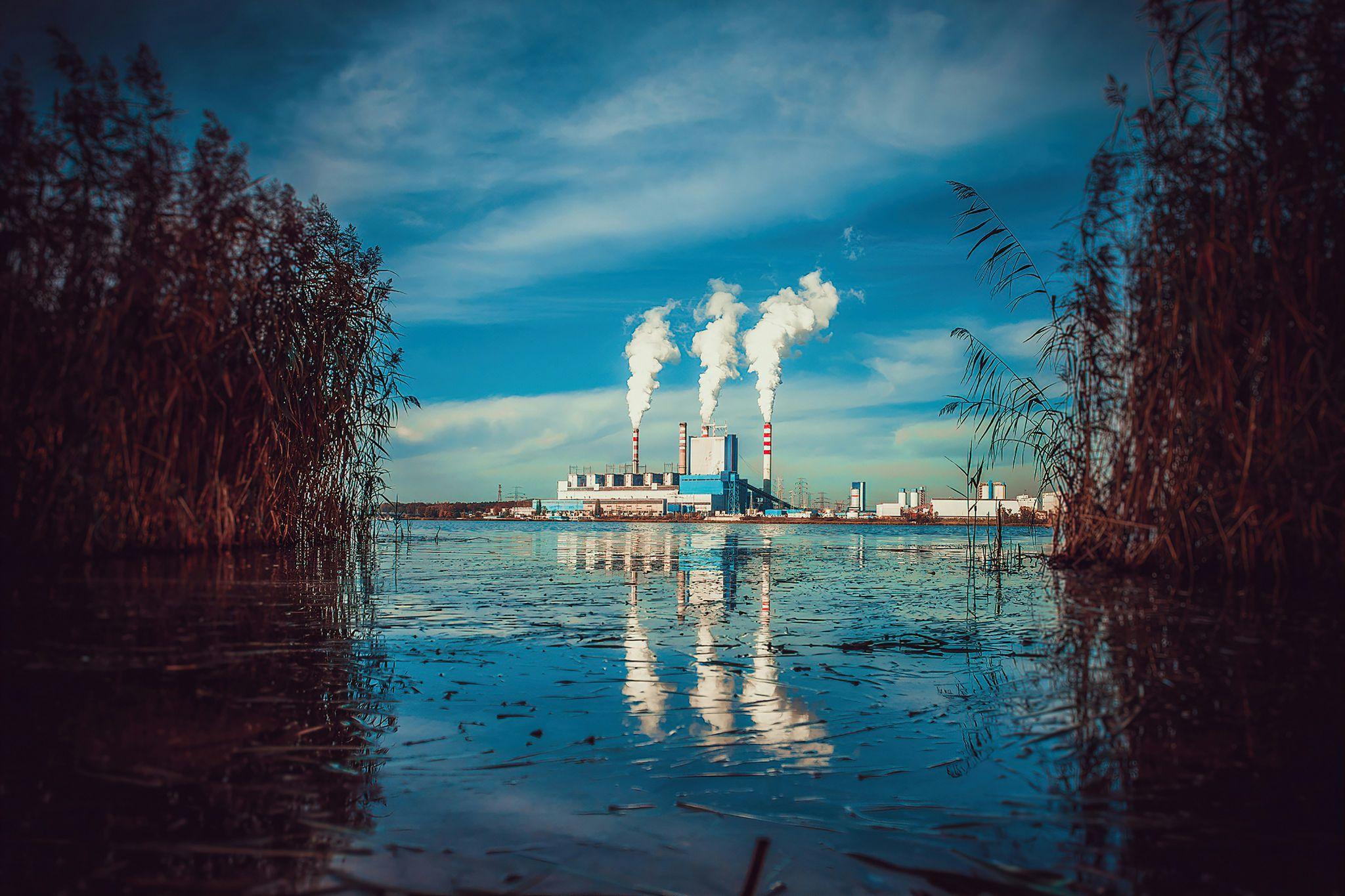
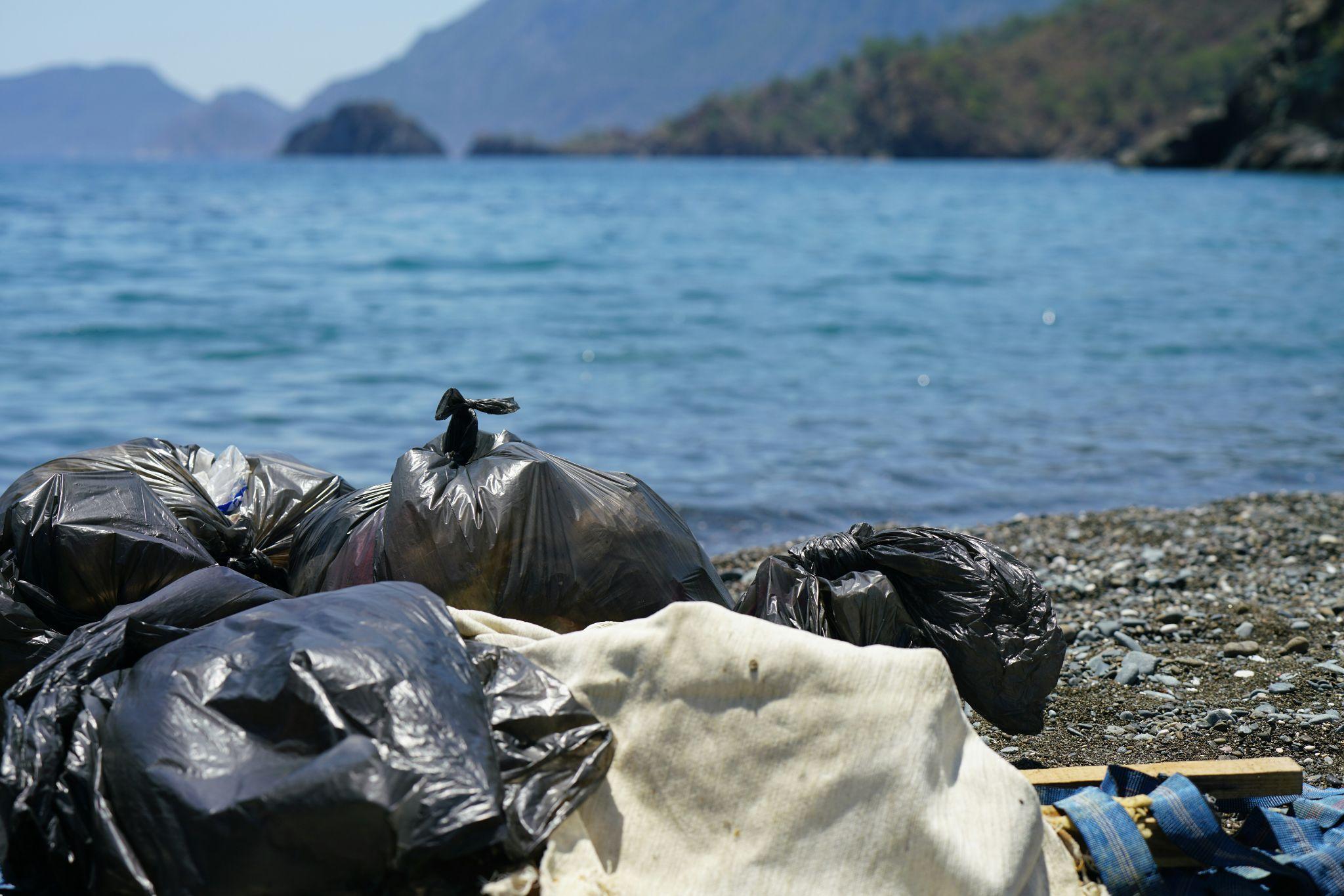
Water pollution affects everyone. You see it in various water pollution pictures scattered across the internet: dirty rivers, dying fish, and sick communities. Polluted water carries toxins that harm people and wildlife. For humans, this can mean unsafe drinking water and more illness.
For animals, polluted water destroys habitats and endangers entire species. Clean water is vital for all life, so protecting it protects both us and the natural world.
At Rayne Water, we have spent close to a century helping households across California, Arizona, and Nevada find out what is actually in their water and treat it properly.
Key Takeaways
Water pollution threatens both human health and wildlife, as seen in water pollution pictures around the world.
Water pollution pics show the damage in one place at a time; globally, 44% of household wastewater is released untreated.
Water pollution pictures are one of the most powerful ways to show their harmful effects, often revealing fish kills, polluted shorelines, and damaged ecosystems.
Reducing water pollution is critical for safe drinking water and the survival of natural environments.
Every action to keep water clean, from better waste management to community cleanups, helps protect people and nature.
Understanding the risks highlighted by water pollution pictures can inspire practical steps to safeguard our water for the future.
What Is Water Pollution?
Water pollution occurs when harmful substances contaminate lakes, rivers, oceans, or underground aquifers.
These pollutants, such as chemicals, pathogens, plastics, and waste, enter water directly from industrial discharge, agricultural runoff, urban stormwater, and sewage. The scale is hard to overstate: 44% of the world’s household wastewater is released untreated, and among countries that report industrial figures, only 38% of industrial wastewater is treated safely.
This contamination compromises ecosystems, threatening aquatic life and human health. The EPA estimates that US drinking water systems alone will need $625 billion over the next 20 years for pipe replacement, treatment plant upgrades, and storage.
Reducing pollution is critical to ensuring safe drinking water, protecting wildlife, and maintaining the overall balance of our environment.
Major Sources of Water Pollution
Industrial Discharges
Industrial water pollution is one of the largest sources of contamination in rivers, lakes, and groundwater. Heavy metals like lead, mercury, arsenic, and cadmium, as well as solvents, sludge, and toxic chemicals, often end up in water bodies from manufacturing, mining, and refinery operations.
When left unchecked, these pollutants degrade water quality and harm aquatic ecosystems.
The U.S. EPA warns that industrial waste can spread water-borne diseases and make water unsafe for people and wildlife. In the most severe cases, contamination has destroyed entire communities. Oklahoma’s Tar Creek Superfund site covers part of a 1,188-square-mile former lead and zinc mining district, and conditions there grew bad enough that the EPA funded the buyout and relocation of the entire town of Picher.
Private wells face the greatest risk. Unlike municipal supplies, they fall outside federal Safe Drinking Water Act oversight and are only tested when the owner arranges it. Households drawing groundwater near industrial or mining activity often need dedicated arsenic filtration to bring levels back within safe limits.
Agricultural Runoff
Modern agriculture relies on fertilizers and pesticides to boost crop yields, but these chemicals do not stay in the fields. Rainfall and irrigation wash nitrogen, phosphorus, and pesticide residues into streams and lakes.
Erosion adds soil and more pollutants to the mix, turning clear water into muddy, nutrient-rich water. This nutrient overload is a primary driver of eutrophication and harmful algal blooms, which choke aquatic life and disrupt ecosystems.
Cities contribute to water pollution through urban and stormwater runoff. Surfaces like asphalt and concrete prevent water from soaking into the ground. Instead, rainwater rushes over streets and parking lots, picking up oil, grease, chemicals, trash, and even pet waste.
The NRDC highlights that this runoff is a major source of pollution in urban waterways, carrying contaminants directly into streams and rivers . Without natural soil filtration, these pollutants reach water sources quickly, raising risks for both people and the environment.
Water pollution reaches people through three main routes: drinking contaminated water, direct contact while bathing or swimming, and eating fish that have accumulated toxins. Short-term exposure usually causes gastrointestinal illness.
Long-term exposure to heavy metals, solvents, and endocrine disruptors is linked to cancer, reproductive harm, and neurological damage.
Contaminated Drinking Water
Polluted water poses a serious threat to public health. Chemicals, microbes, and even radioactive materials can seep into rivers, lakes, and aquifers.
Common pollutants include heavy metals, organic solvents, and petroleum products from industrial and agricultural sources. Short-term exposure may cause stomach upset or diarrhea. Long-term consumption carries deeper risks.
Over time, people may face nervous system damage, reproductive health issues, or chronic diseases like cancer. These are not vague concerns. The EPA sets enforceable limits on drinking water contaminants precisely because those effects are documented above certain concentrations.
Lead deserves particular attention, since it can leach from older service lines and solder long after water leaves the treatment plant. Not every filter is rated to remove it, so it is worth checking whether reverse osmosis removes lead rather than assuming.
Waterborne Diseases
Unsafe drinking water becomes a direct pathway for illnesses. Microbes such as bacteria, viruses, and parasites in contaminated water can cause cholera, dysentery, typhoid, polio, and other infections.
According to the World Health Organization, microbiologically contaminated drinking water causes an estimated 505,000 diarrheal deaths each year. That figure makes polluted water one of the leading causes of preventable death worldwide.
Closer to home, the organism most often flagged in routine testing is E. coli.
Most strains are harmless, but their presence signals that sewage or animal waste has reached the supply, and that other pathogens may have arrived with it. That is why testing for E. coli in water is a standard part of both municipal and private well monitoring.
Chronic Exposure Risks
Drinking or bathing in polluted water brings more than immediate illness. Over time, exposure can disrupt hormone systems, damage kidneys, and affect brain function.
Certain chemicals, including endocrine disruptors and pesticides, are linked to reproductive issues and neurological disorders. Even routine activities like swimming in unsafe lakes or rivers can cause skin rashes, ear infections, or conjunctivitis.
Water pollution may also help breed disease-carrying mosquitoes, raising the risk of illnesses like malaria.
Effects of Water Pollution on Wildlife & Ecosystems
Aquatic Life and Dead Zones
Excess nutrients, primarily nitrogen and phosphorus from agricultural and urban runoff, fuel massive algae blooms that consume oxygen when they die. These hypoxic zones, known as dead zones, suffocate marine life.
In 2024, the Gulf of Mexico dead zone expanded to roughly 6,705 sq miles, displacing fish and shrimp across over 4 million acres.
Similarly, Lake Erie sees annual cyanobacteria blooms that threaten marine life and contaminate drinking water for more than 11 million people. These events decimate habitat and disrupt the food web.
Bioaccumulation and Food Chain Contamination
Chemical pollutants like mercury, BPA, and microplastics build up in aquatic organisms over time. Larger fish, such as tuna, accumulate mercury that can then affect predators, including humans. BPA and plastic particles have been detected in marine wildlife, demonstrating how contamination moves up the food chain.
Threats to Biodiversity
Pollutants can eliminate species that are sensitive to poor water quality, weakening ecosystem resilience. Meanwhile, invasive species often thrive under polluted conditions, outcompeting native organisms. This shift undermines ecosystem balance and makes it harder for habitats to recover.
Over decades, cumulative damage reduces both species diversity and ecosystem health, with long-term consequences for environmental stability and human well-being.
The Global Reach of Water Pollution
Transboundary Water Contamination
Rivers like the Ganges, Nile, and Mississippi flow through multiple countries. Pollution released upstream easily travels downstream, impacting communities and ecosystems far from the source.
The Ganges, heavily contaminated with untreated sewage and industrial waste, affects hundreds of millions of people across India and Bangladesh. Ocean gyres gather plastic waste from many nations, carrying debris across oceans and harming marine life worldwide.
International management is improving, with treaties like the UN Watercourses Convention guiding shared solutions.
Extreme weather events are getting worse. Floods wash pesticides and chemicals into rivers, while drought concentrates pollutants in shrinking water sources. Wildfires add a new risk as post-fire runoff brings ash, toxic metals, and sediment into streams and reservoirs.
These changes worsen water quality for people and wildlife alike. Communities depend on cleaner water and stronger infrastructure as climate impacts intensify.
Water pollution places a heavy financial burden on public infrastructure. Municipalities must frequently invest in expensive water treatment upgrades to ensure the water coming from taps meets safety standards.
These projects can require millions of dollars in new technology and ongoing maintenance.
The need for more advanced filtration, monitoring systems, and emergency response measures also strains city and county budgets.
As contamination grows, communities are forced to spend more on repairs, equipment, and highly trained staff just to keep up. The cost does not stop at the treatment plant as taxpayers ultimately shoulder the bill.
Loss to Tourism and Fishing Industries
Beyond infrastructure, polluted water strikes at the heart of local economies. The tourism industry often suffers first.
When beaches, rivers, or lakes are contaminated, authorities may close popular sites to protect public health. These shutdowns can devastate local businesses, leading to lost revenue for hotels, restaurants, and recreation companies that depend on clean water to attract visitors.
The fishing industry also faces serious setbacks. Contaminated waters can trigger fishing bans and diminish fish populations, especially in commercial zones.
Reduced catches and unsafe seafood harm livelihoods from small local fishers to large-scale commercial operations. For many communities, the ripple effects of water pollution can mean higher unemployment and declining economic stability.
U.S. Water Quality Regulations and Standards
Safe Drinking Water Act (SDWA)
Passed in 1974, the SDWA empowers the EPA to set legal limits for more than 90 contaminants in public water systems.
These Maximum Contaminant Levels (MCLs) are based on health data and achievable with modern technology. Water providers must test routinely, follow set sampling schedules, and issue annual “Consumer Confidence Reports” to notify customers about any violations.
This ensures not just water that looks clean, but water proven safe before it reaches your tap.
Clean Water Act (CWA)
The CWA aims to maintain the chemical, physical, and biological integrity of U.S. surface waters.
It regulates “point source” pollution, any discharge from pipes, ditches, or industrial outflows, through the National Pollutant Discharge Elimination System (NPDES) permits. These permits control what pollutants can legally enter public waterways, protecting rivers, lakes, and wetlands.
Widespread pollution from agriculture, urban runoff, and stormwater (rather than specific facilities) does not require NPDES permits.
Nutrients, sediments, pesticides, oils, and toxic chemicals wash into waterways after rainfall, creating ongoing water quality issues. Addressing this diffuse contamination relies on state-led programs, voluntary practices, funding under CWA Section 319, and growing oversight.
From failed municipal systems to toxic industrial spills and emerging oceanic threats, major water crises have shaped public policy and environmental awareness around the world.
Flint, Michigan Lead Contamination
Between April 2014 and June 2016, Flint switched its water source to the Flint River without corrosion control. Lead leached into the drinking water, exposing up to 12,000 children to dangerous levels. Residents also faced a Legionnaires’ disease outbreak linked to the changes. The tragedy triggered a federal state of emergency and a lengthy $600 million settlement.
From the 1950s through the 1960s, the Chisso chemical plant in Minamata, Japan, discharged methylmercury into local waterways. Fish, birds, and people suffered neurological damage and death.
The event prompted the passage of national pollution laws in Japan and remains a stark example of industrial water contamination.
Deepwater Horizon and Oceanic Oil Spills
The 2010 Deepwater Horizon disaster released millions of barrels of oil into the Gulf of Mexico, devastating marine wildlife, coastal communities, and fisheries. It reinforced global awareness of water pollution risks.
The Great Pacific Garbage Patch
Floating between California and Hawaii lies our world’s largest collection of marine plastic, an estimated 100,000 tonnes of debris, including microplastics. It highlights our inability to control plastic waste in ocean currents.
Impact of Public Outrage
Each of these disasters triggered waves of activism, stricter policies, and environmental regulations. In most cases, the turning point was visual rather than statistical.
The water pollution pics that emerged from Minamata and from the Gulf of Mexico reached people in a way that technical reports never did, and policy followed public reaction. Events like Flint and Minamata helped launch or strengthen laws such as the Clean Water Act.
Microplastics and Nanoparticles in Water
Microplastics are tiny plastic fragments, less than 5 mm in size, originating from sources like bottles, synthetic clothing, and tire particles washed off urban roads.
These fragments frequently bypass basic filters, mixing into rivers and even tap water.
Recent studies confirm that microplastics disrupt gut health and trigger inflammation. Aquatic creatures suffer too; particles accumulate in their tissues, harming marine life and entering food chains. Nanoplastics, even smaller pieces, raise additional health questions.
In January 2024, Columbia University researchers used a laser-based imaging technique to count plastic particles in bottled water for the first time. They found roughly 240,000 fragments per liter, about 90% of which were nanoplastics, which is 10 to 100 times more than earlier estimates had suggested.
Unlike the visible damage in most water pollution pictures, nanoplastics cannot be seen at all, which is part of what makes them so difficult to deal with. Ordinary filters fall short of catching particles that small, but reverse osmosis systems are among the few treatments that reliably capture both micro and nanoplastics.
Every small step counts when it comes to protecting our water. Start by reducing the use of household chemicals. Swap harsh cleaners and synthetic fertilizers for eco-friendly alternatives, and never pour oil, paint, or unused medications down the drain.
Instead, follow local guidelines for safe disposal. These habits limit the toxins entering your local water supply. By making these changes at home, you create cleaner water for your community. You also set an example for others, showing that daily choices make a difference.
Community & Advocacy Efforts
Preventing water pollution also happens beyond your doorstep. Join local river or beach clean-ups to remove trash before it can harm wildlife.
Get involved with organizations that support water protection, or participate in public meetings that address environmental issues. Support laws that hold polluters accountable and push companies to be more transparent about their practices.
When many voices come together, real change is possible. Staying informed and active ensures that clean water remains a priority for everyone.
How to Protect Your Family’s Water Supply
Install a Water Filtration or RO System
The quality of your tap water matters more than ever, and the right system depends on what you are actually trying to remove.
Whole-house filtration treats water as it enters the property, handling sediment, chlorine, and taste and odor problems at every tap and showerhead. Reverse osmosis works at a single point of use, usually the kitchen sink, and forces water through a membrane fine enough to catch dissolved contaminants that standard whole-house filters are not built to remove, including lead, nitrates, and nanoplastics.
Plenty of homes use both: whole-house filtration to protect plumbing and appliances, and an RO unit for drinking and cooking water.
The advantage of a professionally installed system is that it gets sized to your actual water report rather than to guesswork. What comes out of the tap in Phoenix is not the same as what comes out of the tap in San Diego, and the treatment should reflect that.
Have Your Water Tested
Understanding what is actually in your water is the first step toward fixing it. Many pollutants go unnoticed because they have no taste, smell, or color.
If you are on a municipal supply, start with the Consumer Confidence Report your utility publishes each year. It is free and shows the measurements the treatment plant recorded. What it cannot tell you is what happened to that water between the plant and your kitchen, which is where older service lines, solder, and household plumbing come in.
That gap is what an in-home test closes. Rayne Water offers free in-home water testing across California, Arizona, and Nevada, yielding a reading of your own tap water rather than a municipal average.
Knowing where you actually stand makes the next decision straightforward, whether that’s a whole-house filter, an RO unit, or nothing at all.
Rayne Water: Trusted Experts in Clean Water Since 1928
We have been treating water since 1928, and our systems carry IAPMO R&T certification, meaning they have been tested against independent standards for material safety, structural durability, and contaminant reduction.
We serve homes and businesses across California, Arizona, and Nevada, offering a range of reverse osmosis, soft water filtration systems, drinking water solutions, and compact softeners for tighter spaces.
Our technicians handle installation, maintenance, and water quality testing, and they work from your test results rather than a standard package.
Whether you are moving off bottled water or finally dealing with hard water that has been wearing out your appliances, the starting point is the same. Find out what is in your water, then treat what is actually there.
Water Pollution Hurts Us All
Water pollution is not just an environmental issue. It affects the water we drink, the food we eat, and the health of entire ecosystems. From microplastics in our taps to fish dying in depleted rivers, every ripple of pollution eventually reaches us all, no matter where we live.
That’s why it is more urgent than ever to recognize our shared responsibility. Small changes at home, local advocacy, and community clean-ups can make a difference, but real progress comes when we act together.
Is your water as clean as it could be? Rayne Water’s team is here to help you protect your family, your health, and your community. Reach out for a free water consultation, and take the first step toward a safer, cleaner future for everyone.
FAQs
1. What do water pollution pictures actually show, and why do they matter?
Water pollution pictures capture the visible part of the problem: dead fish along a shoreline, rivers running an unnatural color, and plastic gathering on a riverbank. Those images do real work, turning an abstract statistic into something concrete, and, historically, they have driven public pressure behind laws like the Clean Water Act.
But water pollution pics have a limit. The most dangerous contaminants are invisible. Lead, arsenic, nitrates, and nanoplastics leave nothing for a camera to record. A photograph tells you a waterway is in trouble. Only testing tells you whether the water reaching your tap is safe.
2. How does water pollution affect human health?
Polluted water affects health in three ways: what you drink, what you touch, and what you eat.
Short-term exposure usually appears as gastrointestinal illness, skin rashes, or ear and eye infections. Long-term exposure is more serious. Sustained contact with lead, mercury, and arsenic is associated with nervous system damage, kidney problems, and developmental harm in children. Solvents and some pesticides are linked to cancer and reproductive issues.
The World Health Organization estimates that microbiologically contaminated drinking water causes around 505,000 diarrheal deaths each year, making unsafe water one of the leading causes of preventable death worldwide.
3. What are the consequences of water pollution?
The consequences fall into four categories.
For health, contaminated water causes illness ranging from short-term infection to cancer, kidney damage, and neurological harm. For ecosystems, nutrient runoff triggers algal blooms that strip oxygen and create dead zones. The Gulf of Mexico dead zone reached roughly 6,705 square miles in 2024.
For economies, it forces beach and fishery closures and raises treatment costs. The EPA estimates that US drinking water systems alone will need $625 billion over the next 20 years.
And for communities, contamination can end them. The EPA funded the buyout of the entire town of Picher, Oklahoma, after decades of mining.
4. What are the main sources of water pollution?
Four sources account for most of it.
Industrial discharge releases heavy metals, solvents, and process chemicals from manufacturing, mining, and refineries. Agricultural runoff carries nitrogen, phosphorus, and pesticides off farmland, and is now one of the largest sources of freshwater contamination in the United States.
Urban stormwater picks up oil, grease, and trash from paved surfaces, which offer no natural filtration. Sewage adds pathogens wherever treatment is inadequate.
Regulators split these into point-source pollution, which comes from an identifiable outlet and is permitted under the Clean Water Act, and nonpoint-source pollution, which is diffuse and much harder to control.
5. What can I do to help reduce water pollution in my community?
Start at home. Cut back on household chemicals, switch to lower-impact cleaners and fertilizers, and never pour oil, paint, or unused medication down the drain. Keep waste off driveways, since anything left there washes into the storm drain with the next rain.
Beyond your property, join a river or beach cleanup and support policies that hold polluters accountable. Sharing water pollution pics from your own area works better than you would expect, because local images generate pressure that global statistics do not.
Finally, know your own water. Request your utility’s Consumer Confidence Report, and if you rely on a well, have it tested.
Ken Christopher is the Senior Vice President for Rayne Dealership Corporation. As a seasoned executive with over 20 years of leadership experience, he’s helped scale…
Join our newsletter
Subscribe our newsletter to receive the latest news and exclusive offers every week. No spam.


 GET A QUOTE