Hard water doesn’t announce itself. It builds quietly, leaving white crust on showerheads, cloudy residue on glassware, and scale inside appliances that shortens their lifespan well before it should.
In Ventura, that buildup traces back to a specific source.
The city’s blended supply from Lake Casitas and State Water Project imports carries meaningful levels of calcium and magnesium, the minerals behind most hard water damage.
A water softener in Ventura, CA, addresses the problem at the source. At Rayne Water, every recommendation starts with a tested water profile, not a generic product description.
Key Takeaways
Ventura’s blended water supply falls in the moderate to hard range, making scale buildup and soap inefficiency common household problems.
A water softener in Ventura, CA comes in two types: salt-based ion exchange for true soft water, and salt-free conditioners for scale control without mineral removal.
Sizing matters as much as system type. An undersized Ventura water softener delivers inconsistent results, while an oversized one adds unnecessary cost.
A professional water test removes the guesswork and points you toward the right system for your water and plumbing layout.
Rayne Water brings over 90 years of California water treatment experience, with licensed installation and ongoing service support.
What Makes Ventura Water Hard?
Ventura’s hardness comes from a predictable mix of geology, supply sources, and treatment practices.
Mineral Content in Local Water
Ventura draws from two primary sources: Lake Casitas, a reservoir in the Transverse Ranges, and State Water Project deliveries that travel through California’s aqueduct system before reaching your tap. Both carry dissolved minerals picked up along the way.
Groundwater moves through mineral-rich rock formations, picking up calcium and magnesium as it travels. Imported supply adds its own seasonal mineral load.
When those two sources blend at the treatment plant, tap water regularly lands in the moderate to hard range.
The USGS Water Science School on water hardness classifies water above 120 mg/L as hard and above 180 mg/L as very hard. Ventura readings often fall there, accelerating scale and driving up maintenance costs quietly over time.
Signs You’re Living with Hard Water
Hard water announces itself through a consistent set of symptoms. Recognizing two or three of these in your home points to one likely cause:
White, chalky scale on showerheads, faucets, and sink drains
Soap that resists lathering and leaves a filmy residue on skin and hair
Cloudy glassware and spotted dishes even after a hot dishwasher cycle
Laundry that feels stiff, with colors fading faster than expected
Dry, itchy skin after showering despite moisturizing products
A water heater running louder or heating less efficiently than before
That last point carries real cost. PNNL research found that scale accumulation directly reduces heating efficiency and shortens equipment lifespan, meaning hard water quietly raises both your energy bill and your replacement timeline.
Key Facts for Ventura Homeowners to Know
Ventura consistently reports moderate to high hardness, driven by blended Lake Casitas and State Water Project supply.
Scale narrows pipes and strains appliances. A properly sized Ventura water softener stops those costs before they compound.
Salt-based, salt-free, and portable exchange options suit different households based on demand, budget, and discharge considerations.
Rayne’s recommendations draw from 90 years of California-specific experience with how this region’s water actually behaves.
Even quality equipment underperforms when installed incorrectly. Sizing and drain routing determine results from day one.
Common Types of Water Softener Systems
Choosing the right type of system depends on your household’s water use, your measured hardness level, and your preference for maintenance.
Each system type approaches the problem differently, which means the right answer for your neighbor may not be the right answer for you.
Salt-Based Ion Exchange Softeners
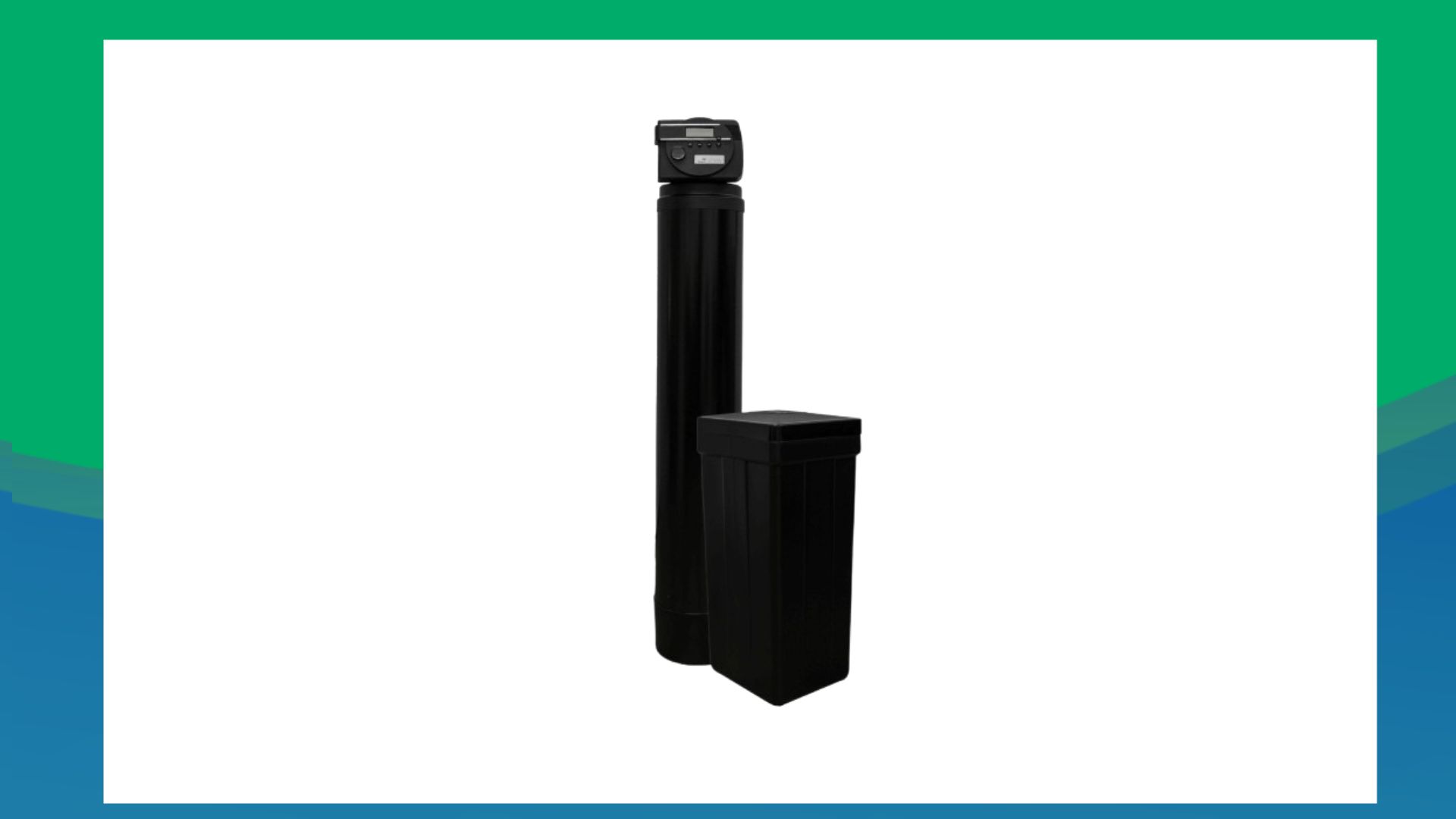
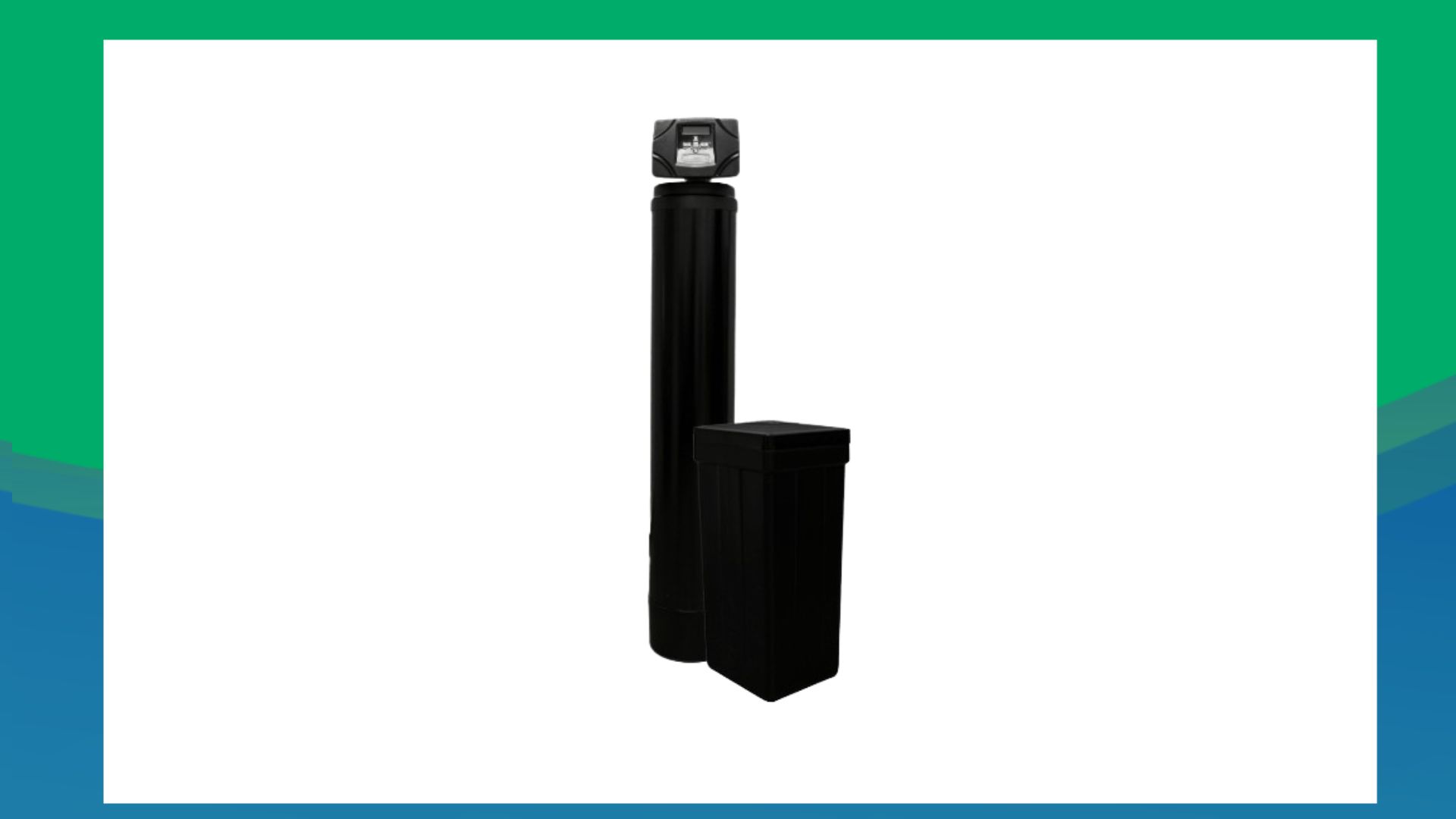
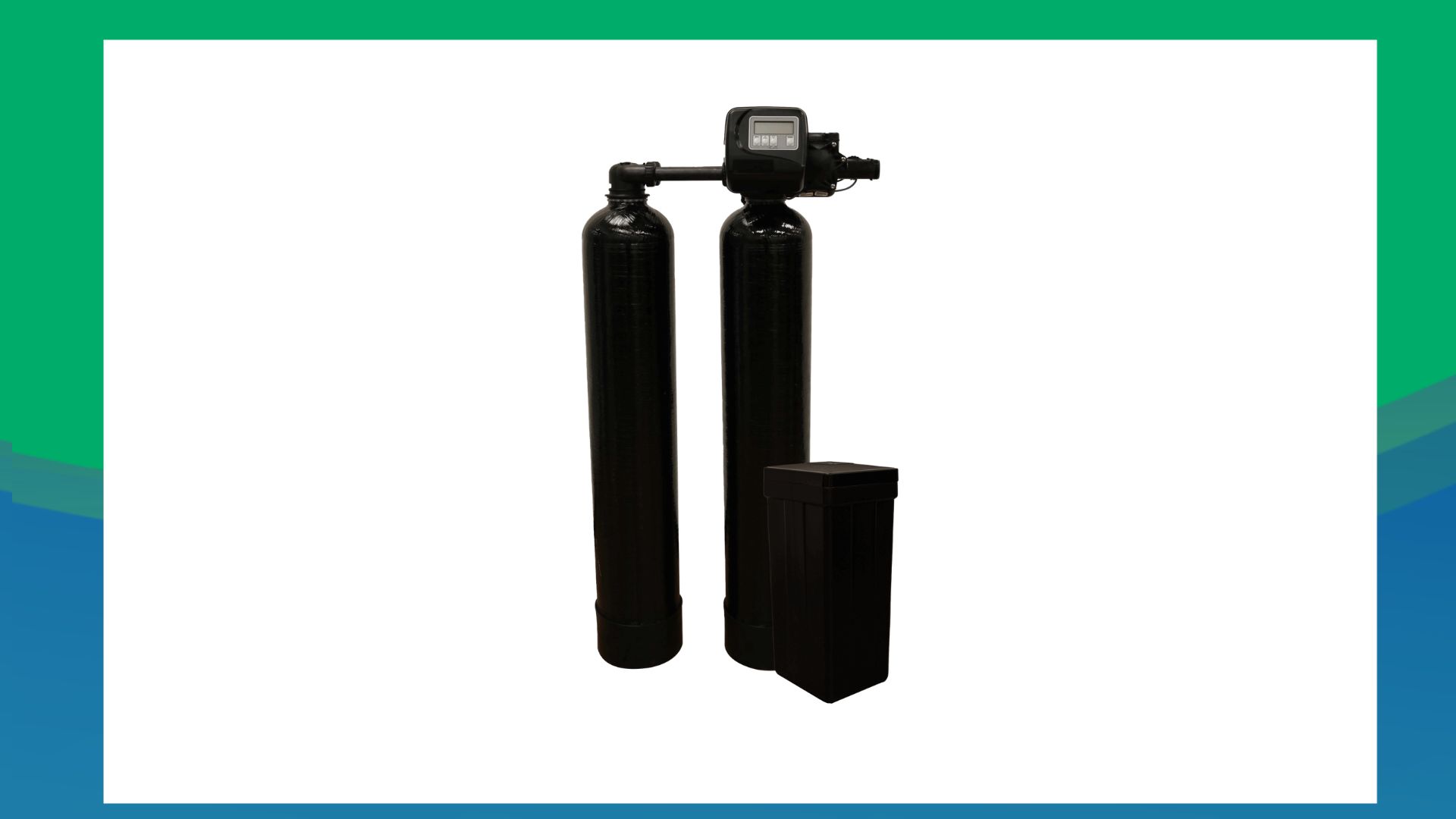
Salt-based ion exchange is the most established method for treating hard water. Incoming water passes through a resin bed where calcium and magnesium ions swap places with sodium, exiting as true soft water.
The result rinses cleaner, lathers more easily, and stops scale from forming on surfaces and inside appliances. For Ventura households dealing with consistent hardness above 150 mg/L, this method delivers the most complete soft-water experience available.
Pros: True hardness removal, better lather, less spotting, proven performance over decades
Cons: Requires regular salt refills, and self-regenerating systems may face discharge restrictions in some California regions
Salt-Free Water Conditioners
Salt-free conditioners take a different approach than ion exchange.
Rather than removing calcium and magnesium, they use Template Assisted Crystallization (TAC) to change the physical structure of those minerals so they pass through without bonding to surfaces.
For Ventura homeowners where brine discharge is a local concern, this method offers meaningful scale control without adding sodium or generating wastewater.
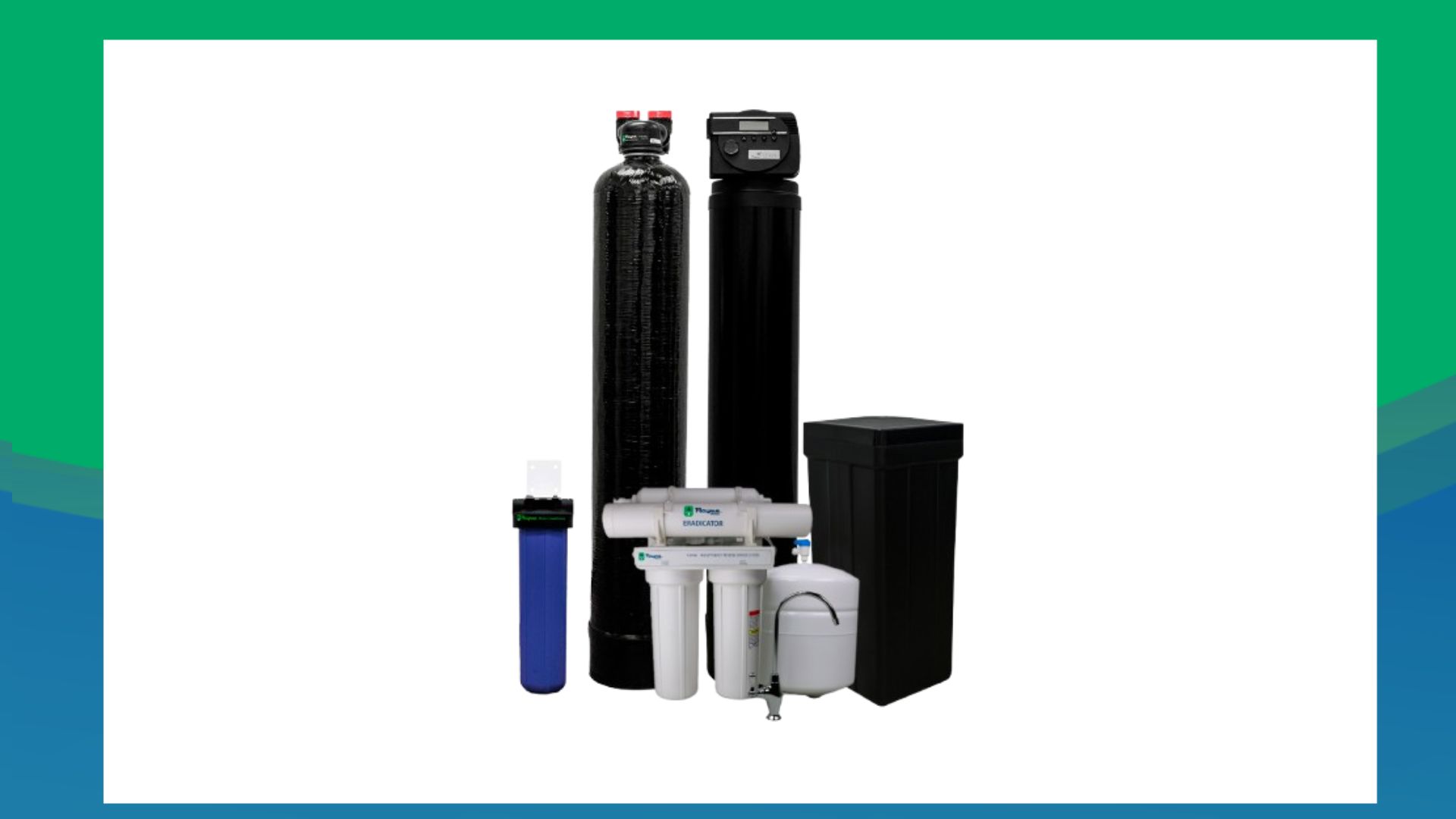
The Rayne Spartan Series salt-free conditioning system combines carbon media with TAC technology to reduce chlorine and prevent scale across the whole house, with no electricity, no drain, and no water waste.
Pros: Lower maintenance, no salt handling, no brine discharge, eco-conscious design
Cons: Does not remove hardness minerals, so the classic soft-water feel is less pronounced
Dual-Tank Systems
Dual-tank systems solve one specific problem: soft water availability during peak demand.
Standard single-tank softeners regenerate during low-use periods, which can briefly expose your plumbing to untreated water when demand runs higher than expected. A dual-tank setup keeps one tank online while the other regenerates, maintaining consistent soft water around the clock.
Larger Ventura households, high-flow properties, or homes with multiple bathrooms running simultaneously benefit most here.
How to Choose the Right Water Softener for Your Ventura Home
The best system for your home is not the most expensive one or the one your neighbor uses.
It is the one sized and configured to match your actual water, your household’s daily demand, and any local environmental considerations that shape your options.
Test Your Water
A water test is the most important step before comparing any product.
Without measured hardness levels, TDS readings, and a check for iron or manganese, you are essentially choosing a system built for someone else’s water.
Those numbers also reveal whether hardness is your only concern. Elevated chlorine, sediment, or trace contaminants often point toward a combined softening and filtration approach rather than a standalone softener. Knowing that early saves you from buying the wrong system twice.
Softener sizing is expressed in grains, representing the total hardness a system can remove before it needs to regenerate. A 30,000-grain system works well for a couple in a two-bedroom home but falls short for a family of five running showers, laundry, and a dishwasher simultaneously.
Sizing comes down to four variables:
Number of people in the home
Number of bathrooms and high-flow appliances
Measured hardness in grains per gallon (GPG)
Estimated daily water use
Rayne’s team walks through this calculation during the consultation so you end up with a system rated for real demand. You can also review our water softener household sizing guide for California homes to get familiar with the framework beforehand.
Compliance and Environmental Considerations
California has specific regulations around salt discharge from self-regenerating softeners, particularly in areas tied to sensitive waterway management. Ventura County’s rules differ from those in the Santa Clarita Valley, so confirming your address’s status before committing to any salt-based system is worth the extra step.
SWRCB discharge guidance outlines which systems are compliant in restricted zones, and the distinctions between compounds matter more than most homeowners realize. Where discharge is a concern, Rayne recommends salt-free conditioning or portable exchange service for consistent scale control without brine cycling at home.
Installation Best Practices
The best equipment underperforms when installation shortcuts cut into its capabilities.
Whole-home softeners work best near the main water entry point, in a space that stays accessible for salt refills, service visits, and future filter changes.
In most Ventura homes, that means the garage utility area near the water heater.
A proper install includes a bypass valve, clean shutoff access, stable tank placement, and a drain route that meets local code. Rayne’s licensed installation team handles all of it locally, so the system performs correctly from day one.
Benefits of Installing a Water Softener in Ventura
Soft water changes the feel of your home in ways that are hard to miss once you experience them. The benefits reach beyond the taste at the tap.
Save on Repairs and Extend Appliance Lifespan
Scale does its damage quietly. It builds inside water heaters, narrows washing machine hoses, coats dishwasher spray arms, and reduces efficiency in anything that heats water.
By the time the problem is obvious, it has often been costing you money for months.
EPA WaterSense research confirms that softeners targeting calcium and magnesium address the root cause of scale-driven efficiency losses, and that the impact extends across every water-using appliance in the home, not just the water heater.
Improved Skin, Hair, and Laundry Results
Hard water interferes with how soap and shampoo behave on skin and hair.
Calcium and magnesium ions react with soap to form insoluble compounds, reducing lather and leaving residue that never fully rinses away. Soft water eliminates that reaction entirely.
Most households notice the difference quickly. Soap rinses faster, shampoo lathers more easily, skin feels less dry after showering, and dark clothing holds color longer once mineral residue stops embedding in fabric fibers.
The change is subtle at first, but over weeks it becomes the new baseline.
Lower Utility Bills
Water heating accounts for a meaningful share of your home’s energy budget. U.S. Department of Energy estimates put it at around 18% of total home energy use, which means any efficiency loss there shows up directly on your bill.
Scale acts as an insulating layer on heating elements, forcing the heater to run longer to reach the same setpoint. CIBSE research on limescale found that even modest buildup measurably reduces heat transfer efficiency over time.
A properly sized Ventura water softener helps your water heater operate closer to its rated efficiency rather than working around a growing mineral barrier.
Boost in Home Value
In Southern California real estate, whole-home water treatment is increasingly viewed as a quality-of-life upgrade that buyers notice. Prospective buyers touring a Ventura home pay attention to fixture condition, shower enclosure appearance, and the age of water-using appliances.
A professionally installed water softener in a well-maintained utility space signals infrastructure-level care. When service history and documentation are available, it becomes a measurable selling point rather than just a background feature.
Why Ventura Homeowners Choose Rayne
Ventura homeowners want two things: results they can feel daily, and a recommendation that fits their home and water. Rayne delivers both.
90years of California expertise. Our recommendations reflect actual regional water behavior, not generic product specs.
EPA- and WQA-recognized solutions. NSF/ANSI certified technology tied to specific performance claims, not marketing language.
Dedicated local service. Our team knows Ventura’s building codes, plumbing layouts, and local water conditions.
Ongoing support and salt delivery. Service plans, filter replacements, and salt delivery matched to your household’s actual usage.
Explore Rayne’s residential lineup to see the full range of softening, filtration, and conditioning options available for Ventura homes.
Getting Started with Rayne Water
Getting the right Ventura water softener starts with one straightforward step, and everything builds from there.
You do not need to know which system you want before you call. That is what the consultation is for.
Schedule a Free Consultation
A Rayne consultation leaves you with clarity, not a pressured pitch.
You walk away knowing your water’s measured hardness, a system recommendation tied to your household’s actual demand, and a clear path that accounts for any local compliance considerations.
Book your visit through Rayne’s free water test and consultation page and share what you notice day to day: scale on fixtures, soap behavior, skin feel, or anything else that has been bothering you.
That context helps the technician calibrate the test and ask the right follow-up questions.
Personalized Product Selection and Installation
Once you have your test results, the right system becomes considerably clearer. Salt-free conditioning suits homeowners dealing with scale and spotting who prefer lower maintenance. Ion exchange delivers the full soft-water feel for households ready to commit to salt refills.
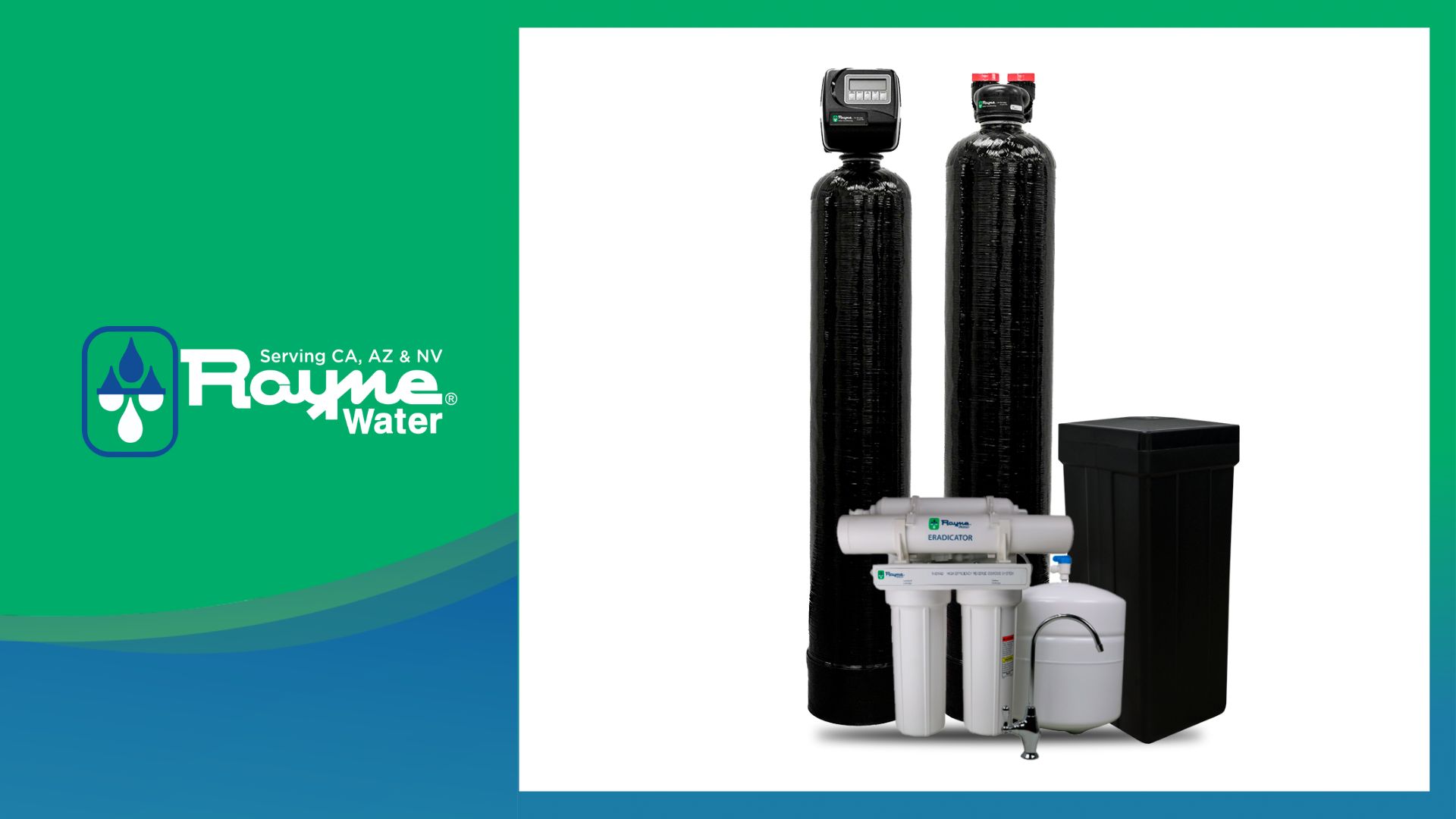
A combined approach with whole-home softening and an under-sink RO system covers both hardness and drinking water quality together.
Rayne’s licensed installation team handles the full job, from placement and bypass valve configuration to flush cycles and final performance verification.
You get a full walkthrough of your maintenance schedule before the technician leaves.
Is Your Home’s Water Actually Working Against You?
Most homeowners don’t connect scale buildup, dry skin, and rising energy bills to their water supply until the costs become impossible to ignore. A Ventura water softener addresses all three at the source.
Rayne Water makes the path straightforward. A complimentary water test reveals exactly what you are working with. A consultative recommendation matches the right system to your home.
Licensed installation gets it right the first time, and a service plan keeps performance consistent for years.
Ventura water is notoriously hard, ranging from 17 to 53 grains per gallon depending on seasonal source blending, well above the 10.5 gpg threshold that classifies water as very hard. A home water test gives you the exact number for your address and allows for accurate system sizing.
Do I need a salt-based or salt-free water softener?
It depends on your hardness level, daily water use, and local discharge regulations.
A water softener in Ventura, CA comes in both types: salt-based for true soft water, and salt-free for scale control without brine discharge.
How much does installation cost in Ventura?
Pricing depends on your plumbing layout, system type, and placement complexity. A Ventura water softener installed in a garage with an existing loop costs less than a setup requiring new plumbing runs. A site visit gives you the most accurate estimate.
Will a softener remove chemicals or contaminants?
A standard water softener in Ventura, CA removes hardness minerals only. For chlorine, PFAS, or VOCs, you need carbon filtration or reverse osmosis alongside it.
Your water test results clarify which combination actually fits your home.
Does Rayne offer maintenance plans or salt delivery?
Yes. A Ventura water softener that runs out of salt passes untreated hard water straight through your pipes. Rayne’s service plans cover scheduled maintenance, salt delivery, and media replacement matched to your household’s actual usage pattern.
Ken Christopher is the Senior Vice President for Rayne Dealership Corporation. As a seasoned executive with over 20 years of leadership experience, he’s helped scale…
Join our newsletter
Subscribe our newsletter to receive the latest news and exclusive offers every week. No spam.


 GET A QUOTE