Irvine’s water is treated and dependable, but hardness minerals still leave a mark. You notice scale at faucets, cloudy shower glass, stiff laundry, and a water heater that runs longer to keep up.
Choosing a water softener in Irvine, CA, also means factoring in IRWD’s limits on self-regenerating salt systems that send brine to the drain, so the “best” choice hinges on your address and demand.
This guide shows how to size and select a whole-house water softener in Orange County that fits your home, with help from Rayne Water.
Key Takeaways
IRWD profiles report hardness of 270–295 ppm, so Irvine water often tests very hard.
Scale lowers heater efficiency and speeds maintenance, especially in tankless heat exchangers.
IRWD sewer areas restrict brine-draining units; choose exchange softening or salt-free conditioning.
A water softener in Irvine, CA, should match peak flow, space, and HOA limits.
A whole-house water softener in Irvine, CA, pays back through less soap and less scale.
Understanding Irvine’s Hard Water Challenges
Irvine’s hardness is tied to shifting blends of local groundwater and imported supply, so conditions vary. That variation shows up in mineral levels and the everyday signs you see around your home.
Mineral Content in Irvine Water
IRWD’s 2025 report lists total hardness in ppm as CaCO₃ across several Irvine supply profiles.
Reported averages include about 295 ppm and 270 ppm, with one groundwater profile around 128 ppm.
Hardness also varies across the district because IRWD blends local groundwater with imported water differently by season and zone, so your tap can run harder than the citywide average suggests.
USGS guidance classifies water above 180 ppm as very hard, putting many Irvine homes in scale-prone territory. Treat these numbers as a sizing signal: the higher your hardness and hot-water demand, the greater the value a properly sized water softener in Orange County delivers.
A quick home test pinpoints the settings your whole-house water softener in Irvine, CA needs.
Common Signs of Hard Water at Home
In Irvine, hard water leaves a consistent signature around your house.
Chalky crust on aerators, showerheads, and kettle lids where hot water runs often.
Soap that barely lathers, plus a slick film on skin that makes rinsing feel slow.
Spots and cloudiness on glasses, mirrors, and shower doors even after dishwasher cycles.
Towels and gym clothes that feel rough, trap odors, or fade because detergent works harder.
Hot-water issues like reduced flow, noisy fixtures, or a tankless heater that needs descaling sooner.
Warm lines and recirculation loops speed scale, so these signs stack up quickly in Irvine bathrooms and kitchens.
Why You Need a Water Softener in Irvine
A softener decision feels cosmetic until you trace the mineral path through your plumbing. Orange County hardness tends to tax three areas at once: your equipment, your routines, and your energy use.
Plumbing and Appliances
Scale acts like insulation on heater surfaces, so heat transfer drops and components run hotter.
U.S. Energy Information Administration equipment cost assumptions include annual cleaning to limit sediment buildup in tankless heat exchangers, protect efficiency, and extend service life.
DOE rulemaking on consumer gas-fired instantaneous water heaters also accounts for deliming and related maintenance costs, which is why hard Irvine water can translate into earlier service calls and stubborn performance issues.
This becomes more noticeable if you run a recirculation loop or rely on tankless hot water daily.
Daily Living Comfort
Hard water shows up on your body before it shows up in your fixtures.
Shampoo needs extra work to lather, and soap can leave a slick, unfinished film. That film also grabs onto minerals, so your skin can feel tight after a shower, especially when Santa Ana winds dry the air.
Laundry takes a hit too. Detergent struggles, so clothes can come out stiff, slightly dull, and less fresh. Over time, you may find yourself using more product and more scrubbing, even on glass.
Increased Utility Bills and Maintenance
Orange County electricity and gas costs are already keeping homeowners on alert. When the scale reduces heat transfer, your water heater may take longer to reach the desired temperature.
You may not “see” that on day one, yet you feel it over time through:
More frequent maintenance visits
Replacement parts sooner than expected
Higher energy use during peak hot-water seasons
The takeaway is simple: hard water does not stay politely in the background.
Types of Water Softeners for Irvine Homes
In Irvine, the best solution depends on how you soften water and where it drains, so compare these options before choosing.
Salt-Based Water Softeners
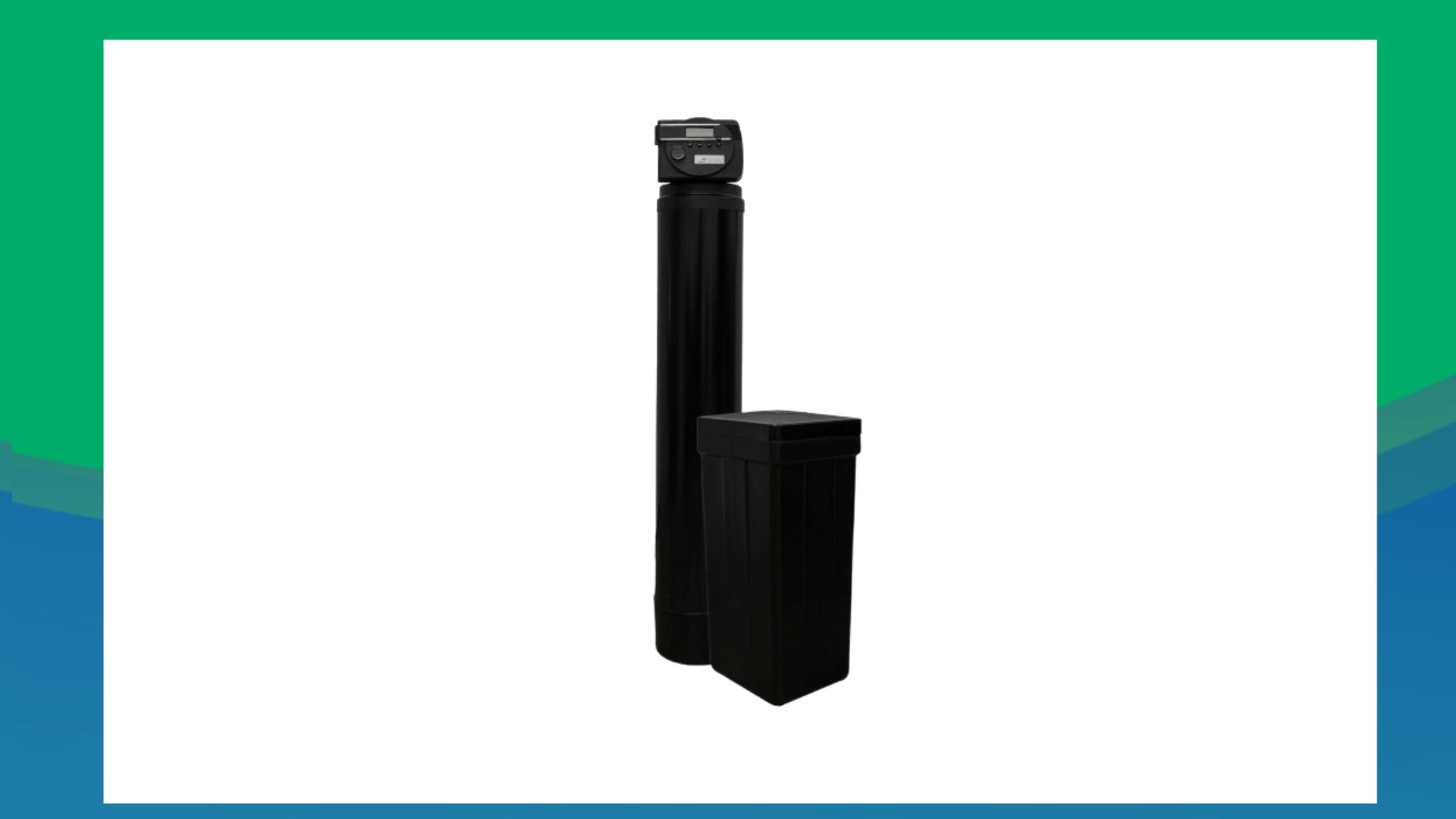
Salt-based ion exchange gives soft water by swapping minerals for sodium, yet the setup matters in Irvine. These units regenerate on site, so they require a drain line and a brine cycle, which may be limited at addresses tied to IRWD sewer service.
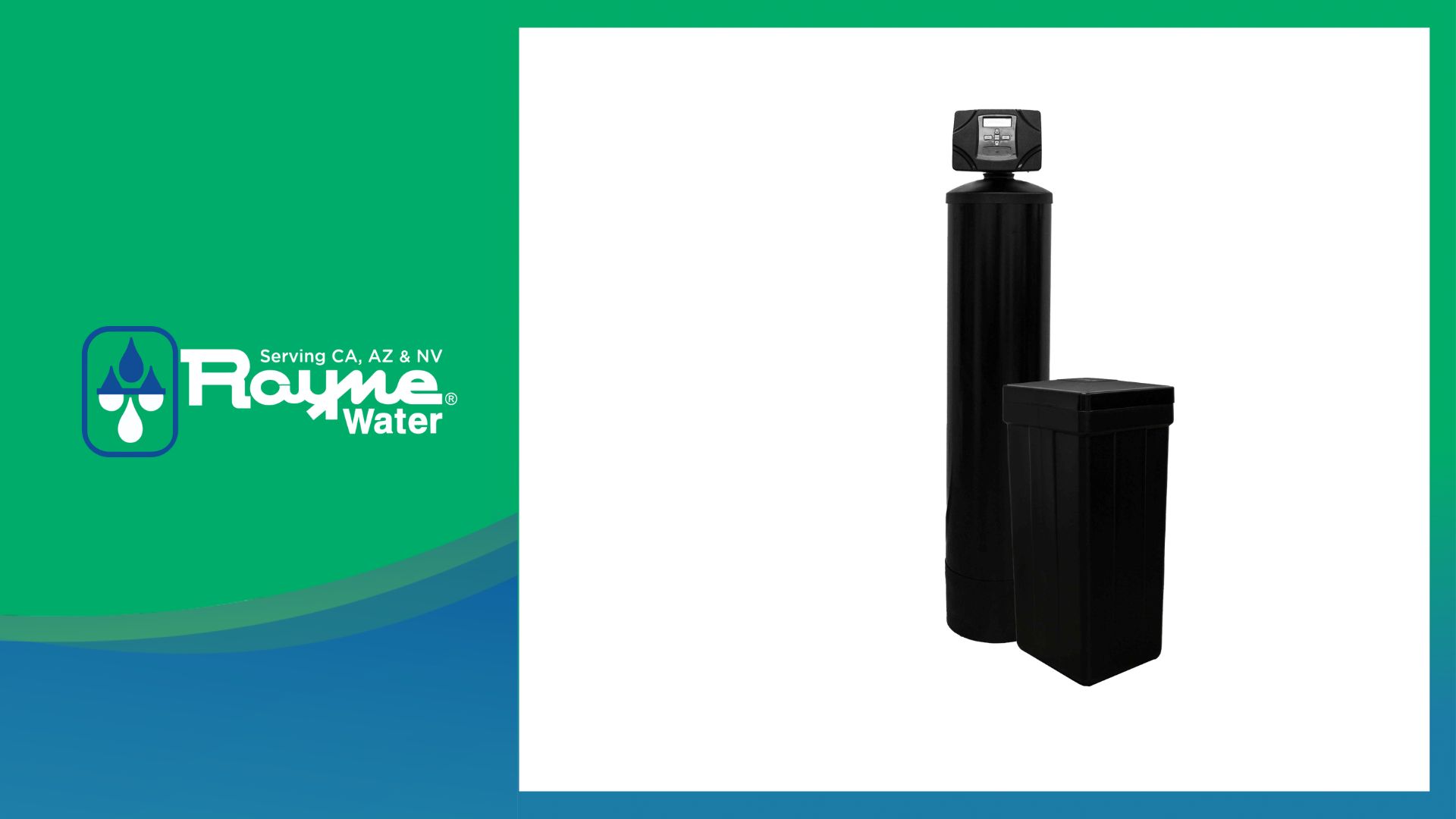
If your address allows it, Rayne options like the Protector 1500 deliver 1.5 cubic feet of resin, a 45,000-grain capacity, and a blending valve to keep the feel dialed in.
For higher demand, Versa 2000 provides 60,000 grains with 2.0 cubic feet of resin.
Salt-Free Water Softeners
Salt-free systems condition water rather than removing calcium and magnesium, focusing on scale control and overall water quality without brine discharge. That fits many Orange County homes where a drain connection or brine cycle creates compliance headaches.
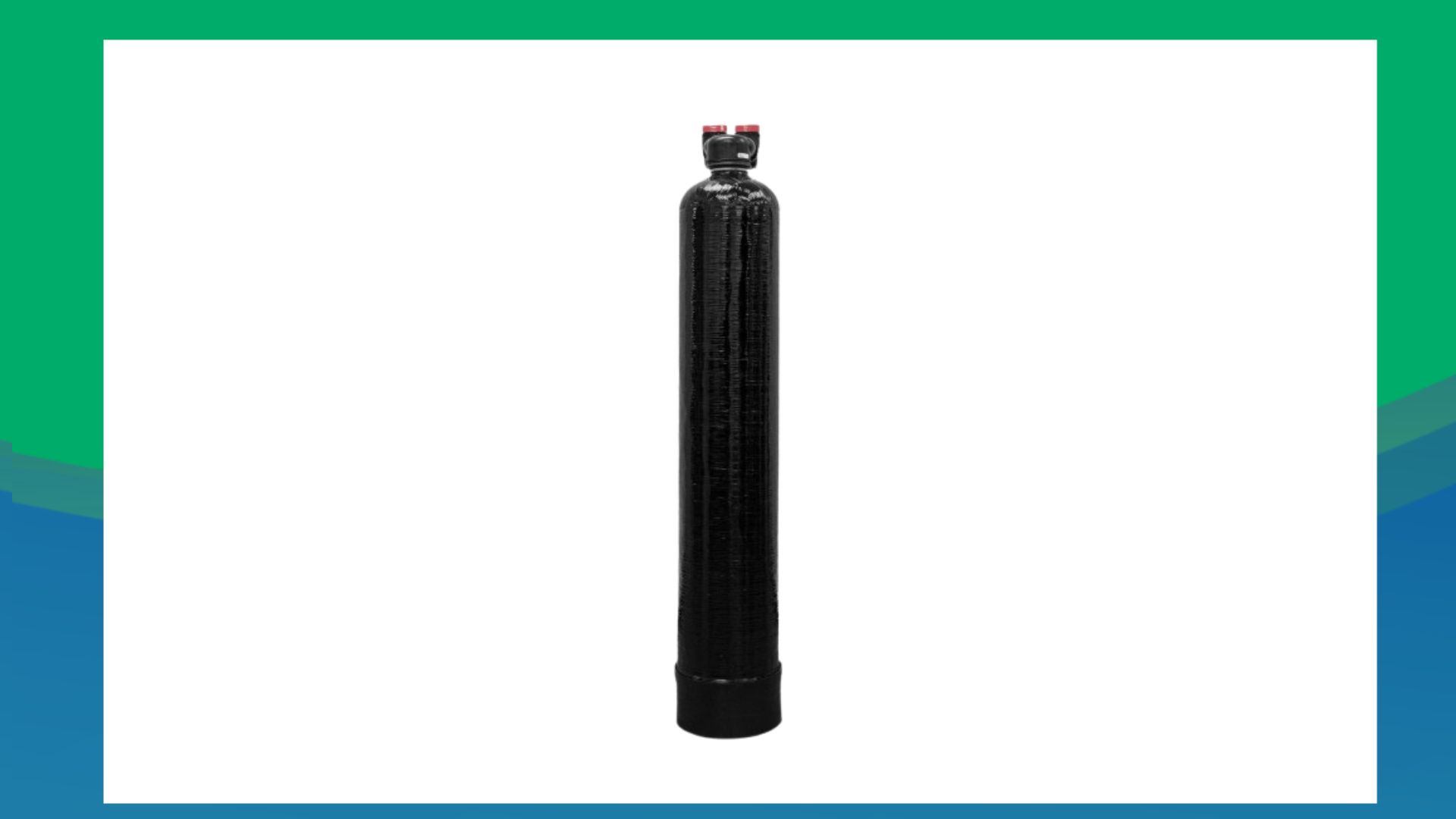
For a brine-restricted approach, Spartan 1250 uses whole-house multi-media filtration without salt, electricity, or water waste, while still targeting hard water damage and taste.
If you want a higher-end, all-in-one feel, Executive 12 adds multi-media filtration plus scale and corrosion protection across every faucet.
Dual-Tank Water Softeners
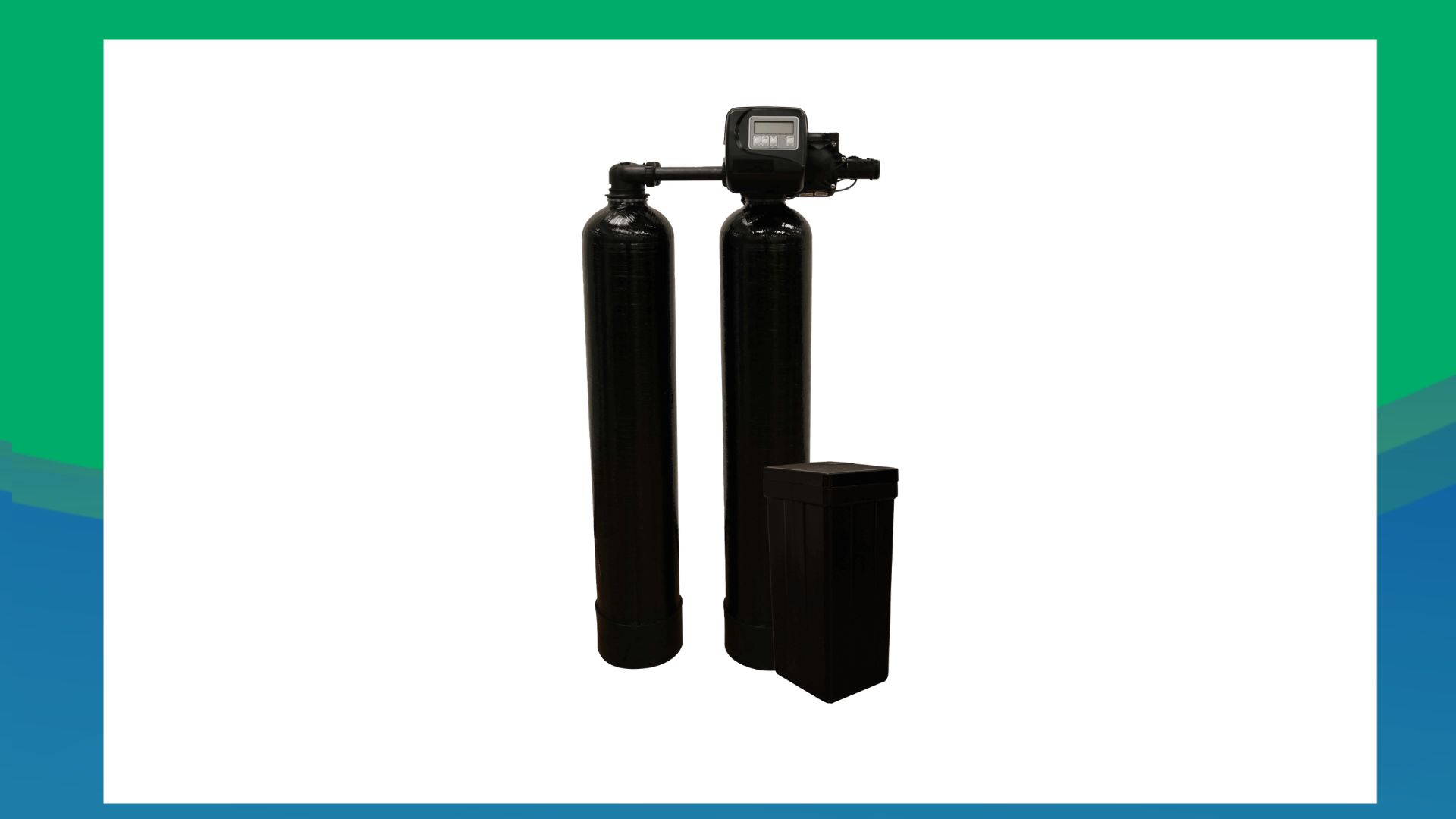
Dual-tank softeners keep water consistent because one resin tank serves the home while the other regenerates.
That matters in Irvine when morning showers, laundry, and a recirculation loop all stack together.
Rayne Infiniti 2000 is built for high to extreme hardness with a dual-tank design, 2.0 cubic feet of resin, and a 60,000-grain capacity, so you avoid downtime from soft water. For bigger households, Infiniti 3000 steps up capacity for heavy daily use and high fixture counts, while the same local brine discharge rules still apply.
How to Choose the Best Water Softener for Your Home
Use your hardness test, peak demand, local discharge rules, and available installation space to narrow down the right system.
Test Irvine’s Water Hardness
Citywide numbers help, yet your tap tells the truth. Irvine blends shift by zone and season, and that can change what your fixtures actually see. Start with a quick hardness reading so your sizing is based on data, not guesswork. Book a free water test.
Match System Size to Household Demand
Hardness is only half the story. Your peak flow decides if the system feels seamless or cramped, especially during busy Orange County mornings.
Count simultaneous use like showers, laundry, dishwasher, and any recirculation loop
Check fixture count and bath count, since those push peak demand fast
Size around peak flow plus hardness so pressure and soft-water feel stay consistent
Consider Budget and Maintenance
Upfront cost matters, yet so does the weekly routine. Salt systems need salt handling and periodic cleaning, while salt-free conditioning trims upkeep but may leave some spotting.
Also think about space and access. A tight garage corner or a condo utility closet can steer you toward a simpler footprint. If you want real-world context, skim Rayne reviews to see how different setups fit different homes.
Importance of Professional Installation
In Irvine, installation quality decides performance. Even the right unit can disappoint if placement is off or the plumbing tie-in misses key lines.
Rayne Water techs plan the layout around your heater, your recirc loop, and local discharge realities. See what the Irvine installation process looks like.
Build a clean bypass and shutoff layout so service stays simple
Place it with the water heater and any recirc line in mind
Confirm drain routing and local discharge limits before committing to a regenerating setup
Benefits of Installing a Water Softener in Irvine
Soft water gives you control, protecting appliances, easing daily routines, cutting maintenance, and supporting long-term home value.
Protect Your Appliances
Scale forms fastest on heated metal and behaves like insulation, raising the thermal resistance to fouling and reducing heat transfer.
A 2025 review in Coatings notes that fouling layers can reduce heat exchanger efficiency, which can show up in Irvine as slower hot-water recovery, tankless units needing descaling sooner, and valves that feel gritty as mineral deposits tighten passages.
Dishwasher haze often forms when minerals keep cycling through the hot-water paths.
Improve Daily Life
Hard water steals lather, so soap leaves a film that clings to skin and tile. That film grabs minerals, so shower doors haze and towels feel rough.
Extension guidance notes calcium and magnesium reduce soap and detergent effectiveness and drive residue on fixtures. A 2022 British Journal of Dermatology study linked higher domestic hardness with higher eczema odds in adults, so comfort matters.
Save Money and Time
The savings are rarely a single dramatic line item.
It is the quiet stack:
Fewer descaling products
Fewer plumber visits
Less time scrubbing mineral haze
Less re-washing because laundry feels stiff
Long-Term Property Value
Irvine buyers care about operational readiness.
A well-documented whole-home water solution is an “infrastructure upgrade,” especially when it is installed cleanly, fits code expectations, and respects local restrictions.
Why Choose Rayne Water?
You want Irvine-specific guidance, not generic equipment talk. Local water runs hard, and local sewer rules can narrow what is practical, so the smartest recommendation starts with your address, your plumbing layout, and how your household uses hot water.
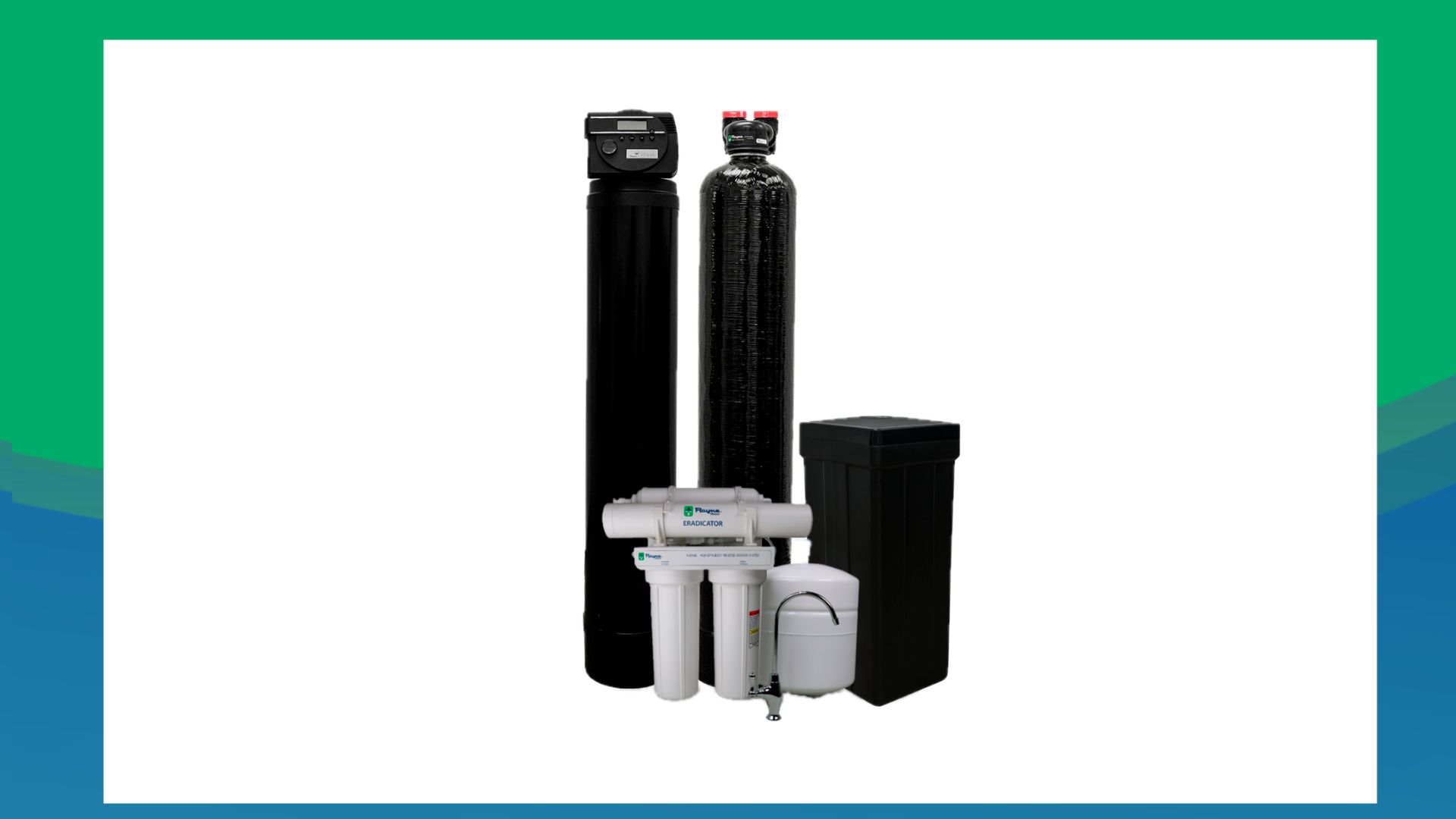
Rayne Water focuses on those details, so you are not guessing. You can start with Irvine Services and compare options like Portable Exchange for true soft water without an at-home regeneration drain, or Salt-Free Systems when low-maintenance scale control fits better.
If you want to ground the decision in real numbers, book a Free Water Test. If you prefer to talk it through, contact our team.
How to Get Started with Rayne Water
A good process keeps you out of the “bought the wrong system” trap.
Step-by-Step Overview
Schedule a hardness check and quick needs review (fixture count, peak usage, space constraints)
Confirm local sewer rules tied to your address and treatment approach, especially inside IRWD service areas
Compare options that match Irvine reality: managed exchange softening, salt-free conditioning, or a permitted salt-based setup where applicable
Install with clean shutoffs, bypass, and pressure-drop awareness that aligns with plumbing guidance
Keep water quality consistent with the right service cadence and maintenance approach
Ready to Change Your Water Quality in Irvine?
If showers feel harsh, fixtures chalk up quickly, and hot water equipment needs attention too often, hardness is likely the culprit.
The right choice is rarely one system for everyone. It depends on your measured hardness, peak flow, installation space, and the drain rules for your neighborhood.
When those align, you get consistent comfort and fewer scale headaches.
Rayne Water helps you narrow it without guesswork, using a practical recommendation and a clean installation plan built around your home. Contact us today.
FAQs
What’s the best water softener for Irvine’s water
For many homes, the best choice is the one that controls scale and fits local drain rules. A water softener in Irvine, CA, often works best as exchange softening or salt-free conditioning, based on your goals and space.
How do I know if I need a whole-house water softener in Irvine, CA
You likely need whole-home treatment if spotting, crust, and stiff laundry return quickly after cleaning. A whole-house water softener in Irvine, CA, protects plumbing and appliances at every tap, especially with tankless heaters or multiple bathrooms.
Salt-based vs salt-free, which is better for Irvine homes
Salt-based systems create true soft water and the biggest feel change. Salt-free conditioners target scale without salt handling, yet you may still see spots. In Irvine, your sewer rules and demand usually decide the better fit.
What are the ongoing maintenance needs for softeners
Maintenance depends on the system. Salt-based units need salt refills, periodic cleaning, and setting checks. Salt-free media needs to be replaced regularly. The exchange service shifts most maintenance to regular tank swaps, with minimal homeowner tasks.
Are water softeners allowed in California?
Water softeners are allowed in California, yet local agencies can restrict brine discharge.
In Irvine, confirm with your sewer provider what is permitted before choosing a self-regenerating unit. If limits apply, exchange softening or salt-free conditioning can still help.
Ken Christopher is the Senior Vice President for Rayne Dealership Corporation. As a seasoned executive with over 20 years of leadership experience, he’s helped scale…
Join our newsletter
Subscribe our newsletter to receive the latest news and exclusive offers every week. No spam.


 GET A QUOTE