Las Vegas tap water runs very hard, around 291 ppm, so scale can coat a water heater before spots show on the glass. That mineral load also dulls soap, stiffens towels, and leaves skin feeling tight.
A water softener in Las Vegas works best when its capacity matches your household’s draw and regeneration remains efficient. Drain routing matters, since brine needs a proper connection, not a storm drain.
This guide helps you choose a water softener system in Las Vegas that protects plumbing and stays simple to maintain
For a clear starting point, Rayne Water can test your water and recommend the right setup.
Key Takeaways
Las Vegas Valley water hardness averages about 291 ppm (17 gpg), which lands in the “very hard” range, so system sizing matters.
Salt-based ion exchange softeners remove hardness minerals, which is often the best match for Vegas conditions.
Salt-free conditioners can reduce scale formation, but they do not remove hardness minerals, so expectations need to remain realistic.
Efficiency features, proper programming, and proper sizing can cut salt use, reduce regeneration water, and maintain steady performance.
Brine backwash should never go to storm drains in the Las Vegas area, so drain routing and installation details matter.
Understanding Las Vegas Water Quality
To choose wisely, you will need to understand what’s in Vegas water and how hardness shows up around your home.
Why is the water so hard in Las Vegas?
Southern Nevada’s municipal supply is mainly from Colorado River water stored in Lake Mead, with a smaller share from local groundwater. As reported by the Las Vegas Valley Water District, nearly 90% of the region’s supply is Colorado River water, with groundwater making up the balance.
That mix matters because the water picks up minerals as it moves through rock and soil on its way to the valley.
So by the time it reaches your tap, calcium and magnesium are present at levels that drive “very hard” water conditions. The Las Vegas Valley Water District also lists hardness at about 291 parts per million (17 gpg), which helps explain the fast scale buildup you see around the house.
Signs of hard water problems in your home
Hard water in Las Vegas leaves clues you can connect fast.
Calcium and magnesium react with soap, so lather drops and a chalky film sticks to glass, tile, and even your hands, as explained in the USGS water hardness overview.
Once you see surface spots, it’s helpful to look deeper, because the same minerals form scale inside water heaters and dishwashers. Heat transfer slows, cycles run longer, and energy use can creep upward.
White spotting, soap scum, cloudy shower glass
Skin and hair feel less comfortable, laundry feels stiff
If you notice a couple of these together, hardness is usually the driver, so a water test is the smart move.
Types of Water Softener Systems Available in Las Vegas
Las Vegas has plenty of product options, yet they fall into a few categories. The right category depends on how hard your water is, your household demand, and your maintenance comfort.
Salt-based ion exchange systems
Salt-based ion exchange is the go-to choice for true soft water in very hard Las Vegas water. The system uses resin to exchange calcium and magnesium for sodium or potassium, so scale slows down and soap rinses clean.
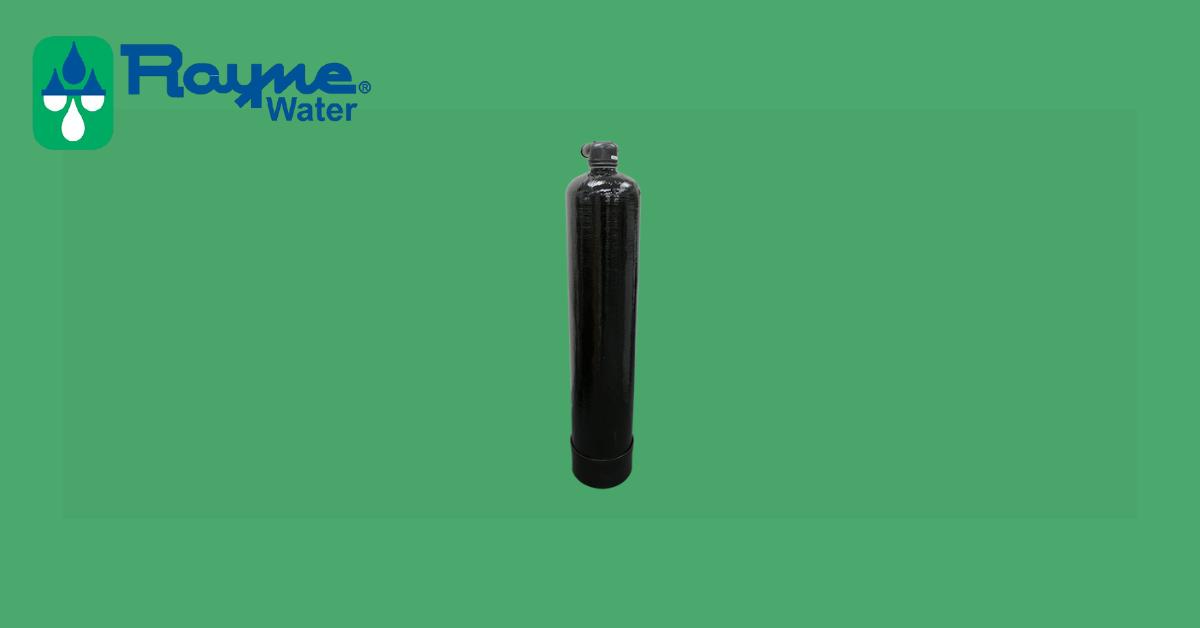
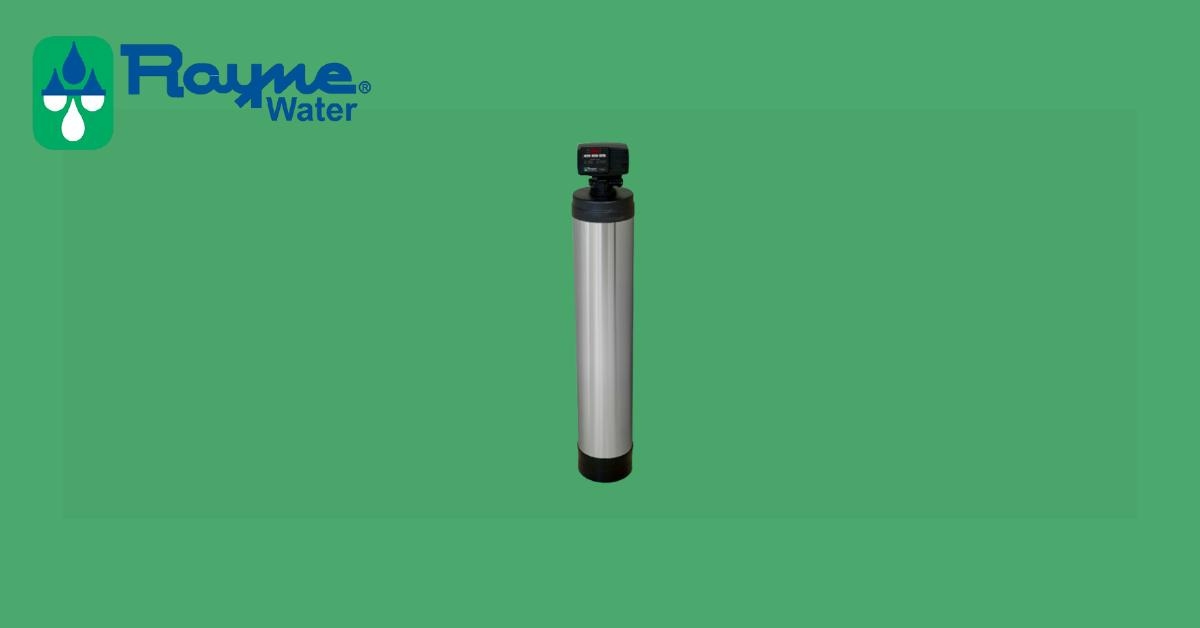
For standard-sized homes, the Guardian 1250 combines 1.25 cu ft of softening resin with 0.25 cu ft of FILTREX carbon, so you get soft water plus a noticeable reduction in chlorine-related taste and odor at every tap.
For larger homes or higher-quality demand, the Guardian Elite steps up to 1.5 cu ft of resin and 0.5 cu ft of FILTREX carbon, with a durable non-corrosive valve and user-friendly controls for efficient, consistent performance.
Salt-free water conditioners
Salt-free water conditioners focus on scale control, not true soft water, so calcium and magnesium stay in the water, and hardness tests often read about the same.
Many systems use template-assisted crystallization, in which hard ions form tiny crystals that resist sticking to pipes and heating surfaces, as explained by the University of Minnesota Water Resources Center.
If you want a water softener system in Las Vegas that requires low maintenance, Rayne offers a few strong salt-free options.
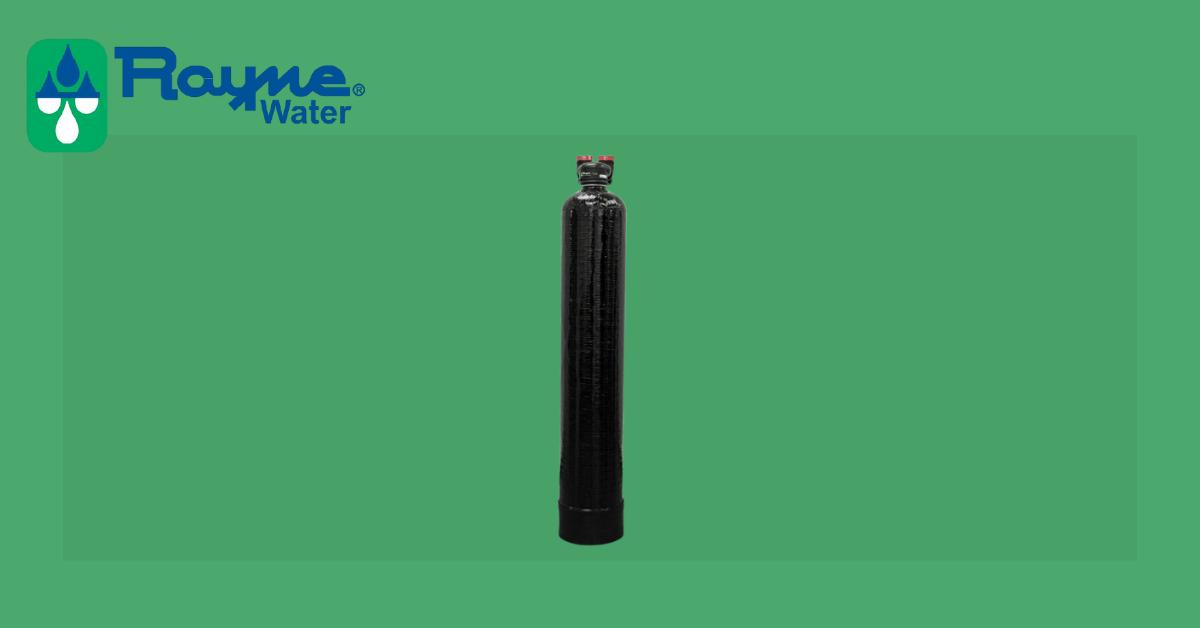
The Spartan Series salt-free system combines multi-media filtration with salt-free scale control, runs without salt, electricity, or water waste, and targets chlorine and chloramine taste and odor at every faucet. The Spartan 1250 is a popular Spartan configuration built around those same whole-home goals.
You skip salt refills and regeneration cycles
You get scale protection support, not the “slippery” soft-water feel
You can still see spotting, since minerals remain
Dual-tank water softeners
Dual-tank softeners make a big difference when your home never really “pauses” water use.
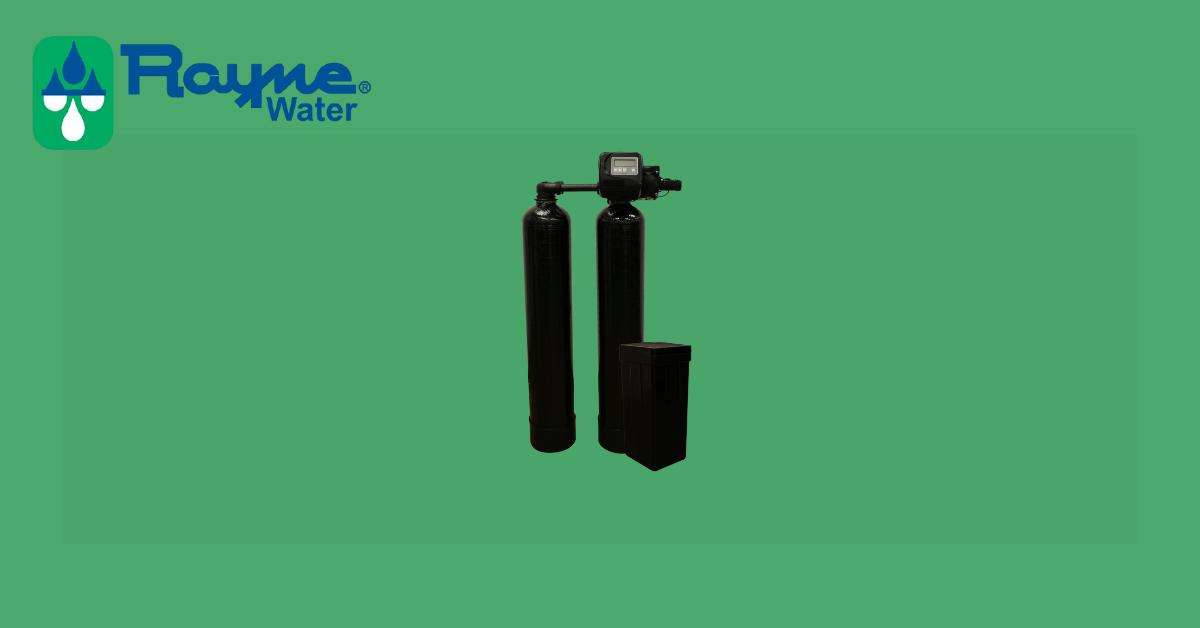
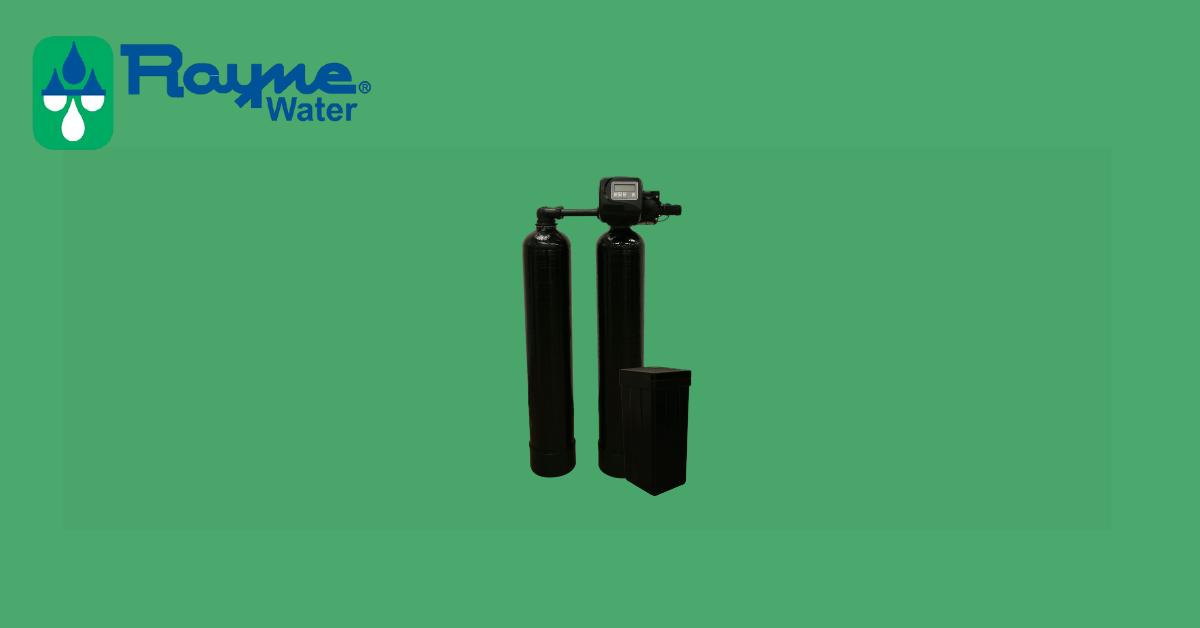
One resin tank stays in service while the other regenerates, so you keep soft water during morning showers, guest visits, and back-to-back laundry days. This is the continuous-soft-water setup many busy homes want in a water softener system in Las Vegas.
Rayne’s Infiniti Series is built around continuous soft water
Infiniti 1500 uses 1.5 cubic feet of resin with 45,000 grains of softening capacity, a strong fit for larger families and multi-bath homes.
Infiniti 3000 steps up to 3.0 cubic feet of resin with 90,000 grains, designed for heavier daily use and higher to extreme hardness.
Residential softeners use cation-exchange resin regenerated with sodium or potassium chloride, which is the core softening method covered by NSF/ANSI 44.
How to Choose the Best Water Softener for Your Las Vegas Home
With your water data and daily habits, you can pick the right size, efficiency, and compliant drain setup.
Step 1: Get a professional water test
Choosing a water softener in Las Vegas without testing often ends up being buying on confidence rather than the right fit. Las Vegas water runs “very hard” at about 291 ppm, or 17 grains per gallon, so small sizing mistakes show up fast in scale, spots, and extra regeneration.
A solid test gives you the numbers that decide equipment, settings, and long-term upkeep.
Hardness level in ppm or grains per gallon
Disinfectant level, since chlorine is used across the valley to protect water as it moves through the system
Extra flags like iron, sediment, or pH quirks that can steer you toward filtration or a specific valve setup
If you want a clean starting point, schedule a free in-home water test with Rayne so you can size and program your system around your actual water, not a generic average.
Step 2: Assess household size and water usage
Sizing makes or breaks performance in Las Vegas.
A unit can be solid and still feel weak if the capacity cannot keep pace with your household’s draw, especially in two-story layouts with long pipe runs.
Here is the sizing logic we use in plain language:
Higher hardness means you burn through capacity faster.
More people mean more gallons per day.
Big-ticket water users matter: large soaking tubs, frequent laundry, high-flow showers, and recirculating hot water loops.
Many Las Vegas homes have water heaters in a garage and longer pipe runs, especially in two-story layouts. That can increase hot-water draw patterns and push regeneration frequency higher if the system is undersized.
If you want a quick estimate to discuss during your water test, think in terms of “grains per day” demand:
Hardness (gpg) × daily gallons used = daily grains to remove
Your test gives hardness. Your household gives the usage pattern. Once those are clear, the right softener capacity becomes obvious.
Step 3: Consider efficiency and operating costs
Efficiency matters in Las Vegas because hard water can trigger regeneration frequently, which can make waste pile up quickly. A metered, demand-initiated valve helps you regenerate based on real use, so you avoid extra cycles during lighter weeks.
Look for features that keep costs predictable
Demand regeneration with flow metering
Accurate hardness programming and reserve settings
Efficient resin volume matched to your demand
Controls that stay simple to adjust
Clear service access and solid warranty coverage
Plan for salt, regeneration water, and periodic tune-ups, and you will usually see fewer scale-related headaches over time.
Step 4: Check local regulations and environmental considerations
Drain routing matters in Las Vegas because brine backwash cannot go to the storm drain.
LVStormwater lists water softener brine backwash as a prohibited discharge, so your installer must route regeneration to an approved drain connection with the right air gap.
If you use a septic system, plan carefully, as Southern Nevada Health District materials note thatthe Health Authority does not recommend discharging softener backwash brine into septic systems.
HOAs also add practical constraints.
Common friction points include exterior equipment visibility, drain routing, and any modifications that affect shared walls or exterior penetrations. Rayne’s installation team handles these details daily, which is why many homeowners prefer professional installation rather than a DIY setup that risks an expensive correction later.
Benefits of Installing a Water Softener in Las Vegas
You will notice the benefits in your pipes, appliances, comfort, energy bills, and resale value once water softening begins.
Protect plumbing and extend appliance life
Hardness minerals in Las Vegas water do not just leave spots you can wipe away.
They form a scale that sticks to the inside of pipes and fixtures, so water pathways slowly tighten and performance starts to feel off.
Your water heater takes the hardest hit because heat speeds up scale buildup. Once scale coats the heating surface, the unit has to work longer to deliver the same hot water, which adds stress to parts you cannot see.
Soft water slows that cycle, so your plumbing stays clearer, and your appliances keep their efficiency longer. You will usually notice the difference in a few places.
Hot water recovers faster and stays steadier
Dishwashers rinse cleaner with less buildup
Faucets and shower heads clog less often
Improve skin, hair, and laundry quality
Soft water changes how soap behaves, so you use less to get a rich lather, and it rinses cleaner. Hair often feels lighter because mineral residue does not cling as easily, and laundry keeps a softer feel instead of drying stiff.
Skin comfort varies person to person, so it helps to think in terms of patterns rather than promises.
A peer-reviewed study published in the British Journal of Dermatology examined water hardness and eczema risk in infants and found evidence of a gene-environment interaction in some cases.
If sensitive skin is part of your household story, pair your water test with a short trial period so you can judge the real difference week to week.
Reduce energy costs
In Las Vegas, hot water is a daily constant, not a seasonal perk.
When hard water leaves scale on heating surfaces, your water heater has to run longer to reach the same temperature, so energy use can creep upward.
Soft water helps by slowing scale buildup, which keeps heat transfer efficient and recovery times steadier. Savings vary by home, though the path is simple, less scale, smoother heating, and fewer wasted cycles.
Boost property value
In a very hard-water market like Las Vegas, a whole-home softener reads like a practical upgrade, not a luxury add-on. Buyers see cleaner fixtures, smoother water pressure, and fewer scale headaches waiting inside the water heater.
Keep a simple folder with the install date, service notes, and current settings. During resale, you can point to that paper trail as proof that the system has been maintained and dialed in properly.
Why Homeowners in Las Vegas Trust Rayne Water
When you are choosing a water softener in Las Vegas, your installer matters as much as the equipment. Vegas water is consistently hard, and small setup mistakes can create years of annoyance.
You also get options that fit how people live here, including whole-home systems, salt-free conditioning, and configurations built for higher-demand households.
You start with a free water test, and we use your results to recommend and install the right system.
Schedule a free water test
A clear water test keeps this process simple. You get hardness, chlorine, and any red flags that change system selection.
Use our Las Vegas location page to schedule a free in-home water test. We will walk through your results, your household demand, and the most efficient system options for your layout.
Personalized recommendations and installation
Once you have test results, you can choose a setup that matches your goals:
Salt-based softening for true hardness removal
Salt-free conditioning for scale behavior support
Dual-tank softening for continuous soft water in high-demand homes
If you want to confirm Rayne service availability across the valley, the locator makes it easy to find the closest Rayne location.
Upgrade to Soft Water Today
Hard water in Las Vegas is predictable, which is helpful. You can plan around it, size for it, and solve it with the right equipment and setup.
If you want fewer spots, less scale, better appliance performance, and a smoother daily routine, a properly selected water softener system in Las Vegas delivers on all of those in a very real way.
Most homes have very hard water, with a hardness of 16 to 19 grains per gallon. That hardness creates fast scale and spotting. A properly sized water softener in Las Vegas targets that load and keeps your plumbing and appliances running cleaner.
What’s the cost of a water softener system in Las Vegas?
Pricing depends on capacity, valve efficiency, and installation details like drain access and loop plumbing. For many homes, a water softener system in Las Vegas costs less to operate when it is sized correctly and serviced on schedule.
How often do I need to add salt?
Salt use depends on your water hardness and water use. Many households check the brine tank monthly and top it off before it drops low. Consistent salt levels prevent sudden hard water and keep regeneration stable.
Will a softener remove chlorine or other contaminants?
A standard softener removes hardness minerals, not chlorine. For taste and odor improvement, pair softening with carbon filtration or a combo system. Your water test guides the setup so that each component handles its job.
Is a water softener safe for my landscaping?
Softened water contains exchanged ions, so many homes use a bypass to keep outdoor irrigation on unsoftened water. Proper drain routing matters too, since regeneration discharge needs an approved connection, not a curb inlet or storm drain.
Ken Christopher is the Senior Vice President for Rayne Dealership Corporation. As a seasoned executive with over 20 years of leadership experience, he’s helped scale…
Join our newsletter
Subscribe our newsletter to receive the latest news and exclusive offers every week. No spam.


 GET A QUOTE