It builds quietly, leaving white crust on showerheads, cloudy residue on glassware, and scale inside appliances that shortens their lifespan well ahead of schedule.
The source is consistent. Colorado River water via the Central Arizona Project, Salt and Verde River supply, and local groundwater all carry calcium and magnesium that survive treatment entirely and deposit on every surface they touch.
A water softener in Phoenix, AZ addresses that at the point of entry. At Rayne Water, every recommendation starts with a complimentary in-home water test, because city averages rarely reflect what’s actually at your tap.
Key Takeaways
Phoenix water ranks among the hardest in the U.S., with calcium and magnesium driving scale buildup throughout the home.
A water softener in Phoenix, AZ comes in two types: salt-based ion exchange for true soft water, and salt-free conditioning for scale reduction.
Sizing matters as much as system type. An undersized Phoenix water softener delivers inconsistent results.
Soft water Phoenix homeowners rely on most often comes from salt-based ion exchange, though salt-free conditioning delivers scale reduction with less upkeep.
Rayne Water brings 90+ years of Western water experience, licensed installation, and consistent service support
What Makes Phoenix Water Hard?
Phoenix water hardness is not a fluke of treatment. It reflects the geology and supply infrastructure that water moves through before it reaches your home.
Tracing that path explains why a Phoenix water softener delivers such a visible difference so quickly.
Mineral Content in Local Water
Phoenix’s water supply comes from three main sources, each contributing a different mineral profile:
Central Arizona Project (CAP): Colorado River water traveling hundreds of miles through open desert canals, picking up dissolved minerals along the way
Salt River Project (SRP): Salt and Verde River water absorbing calcium and magnesium from central Arizona’s basin rock formations
Local groundwater: Higher mineral concentrations due to longer contact time with mineral-bearing rock
The Phoenix Water Quality Report confirms that blending ratios shift seasonally, yet hardness consistently lands in the very hard range regardless.
USGS hardness classifications define very hard water above 180 mg/L. Phoenix regularly exceeds 200 mg/L, which explains why scale forms so aggressively here compared to most U.S. cities.
Signs You’re Living with Hard Water
Hard water follows a consistent and recognizable pattern. If more than a few of these sound familiar, your water is almost certainly the cause:
White, chalky scale around faucets and showerheads that returns within days of cleaning
Soap that resists lathering and leaves a filmy residue on skin and hair after rinsing
Cloudy or spotted glassware coming out of the dishwasher even on a hot cycle
Laundry that feels rough, with colors fading faster than the fabric age suggests
Dry, itchy skin after showering, particularly noticeable in Phoenix’s already low-humidity climate
A water heater running longer than expected or delivering inconsistent hot water over time
That last point carries real financial weight. PNNL research on water heater performance found that scale accumulation on heating surfaces directly reduces efficiency and shortens equipment life.
In Phoenix, where mineral load accelerates that process faster than most cities, water heaters burn out well ahead of their rated service life.
Key Facts for Phoenix Homeowners to Know
Phoenix consistently reports very high hardness levels, with CAP, SRP, and local groundwater combining to produce one of the hardest tap water profiles of any major U.S. metro.
Scale narrows pipes and forces appliances to work harder. A properly sized Phoenix water softener addresses the mineral root cause before that damage accumulates.
Salt-based ion exchange, salt-free conditioning, and dual-tank systems each suit different demand levels and maintenance preferences. A water test clarifies the right fit.
Rayne’s recommendations reflect decades of desert Southwest experience, including how Phoenix water actually behaves across seasons and supply shifts.
Correct bypass valve placement, drain routing, and code-compliant connections separate a system that performs for years from one that disappoints from day one.
Common Types of Water Softener Systems
Selecting the right system type starts with understanding what each approach does, because salt-based softening, salt-free conditioning, and dual-tank configurations each solve hard water problems differently.
Salt-Based Ion Exchange Softeners
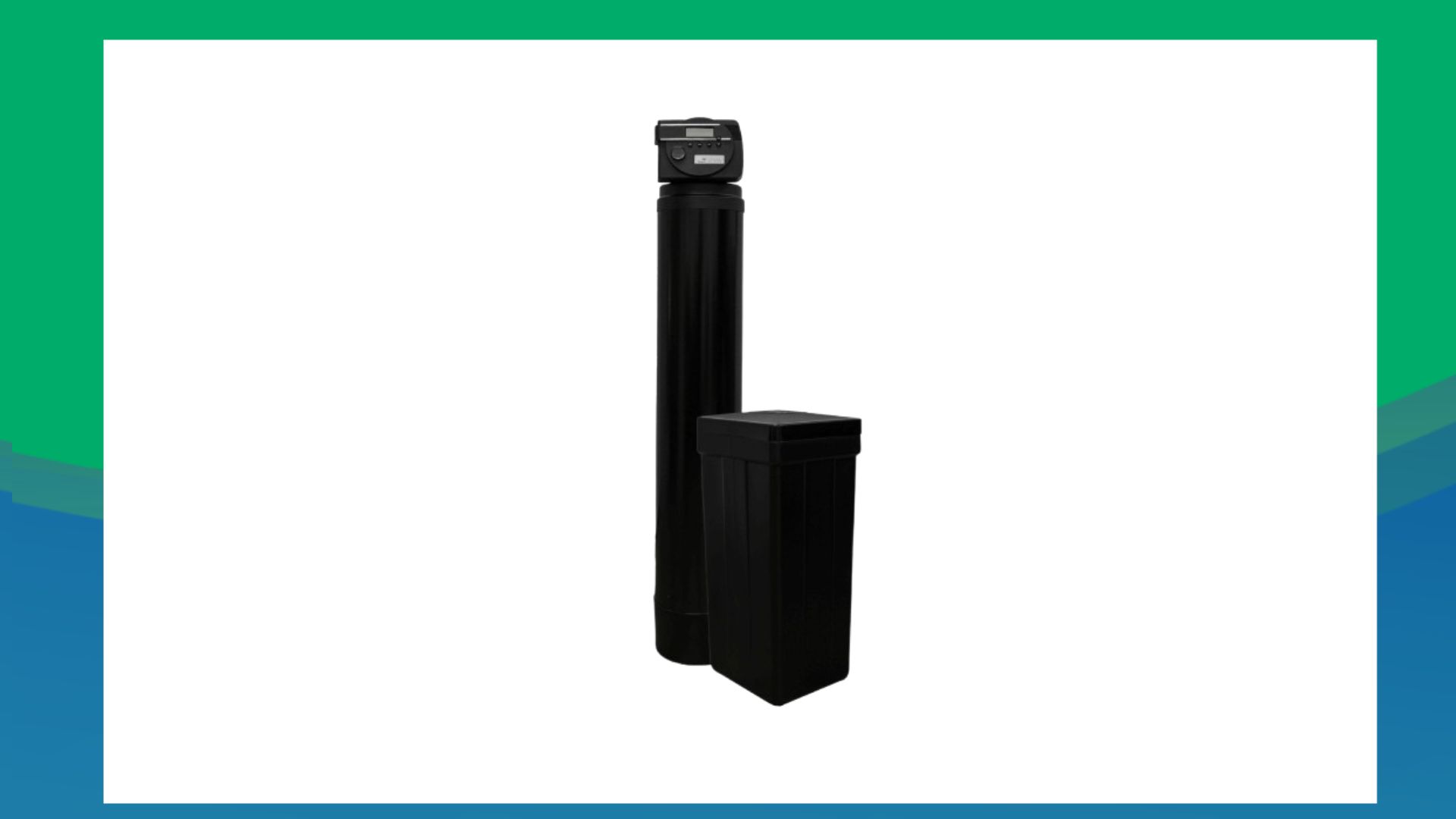
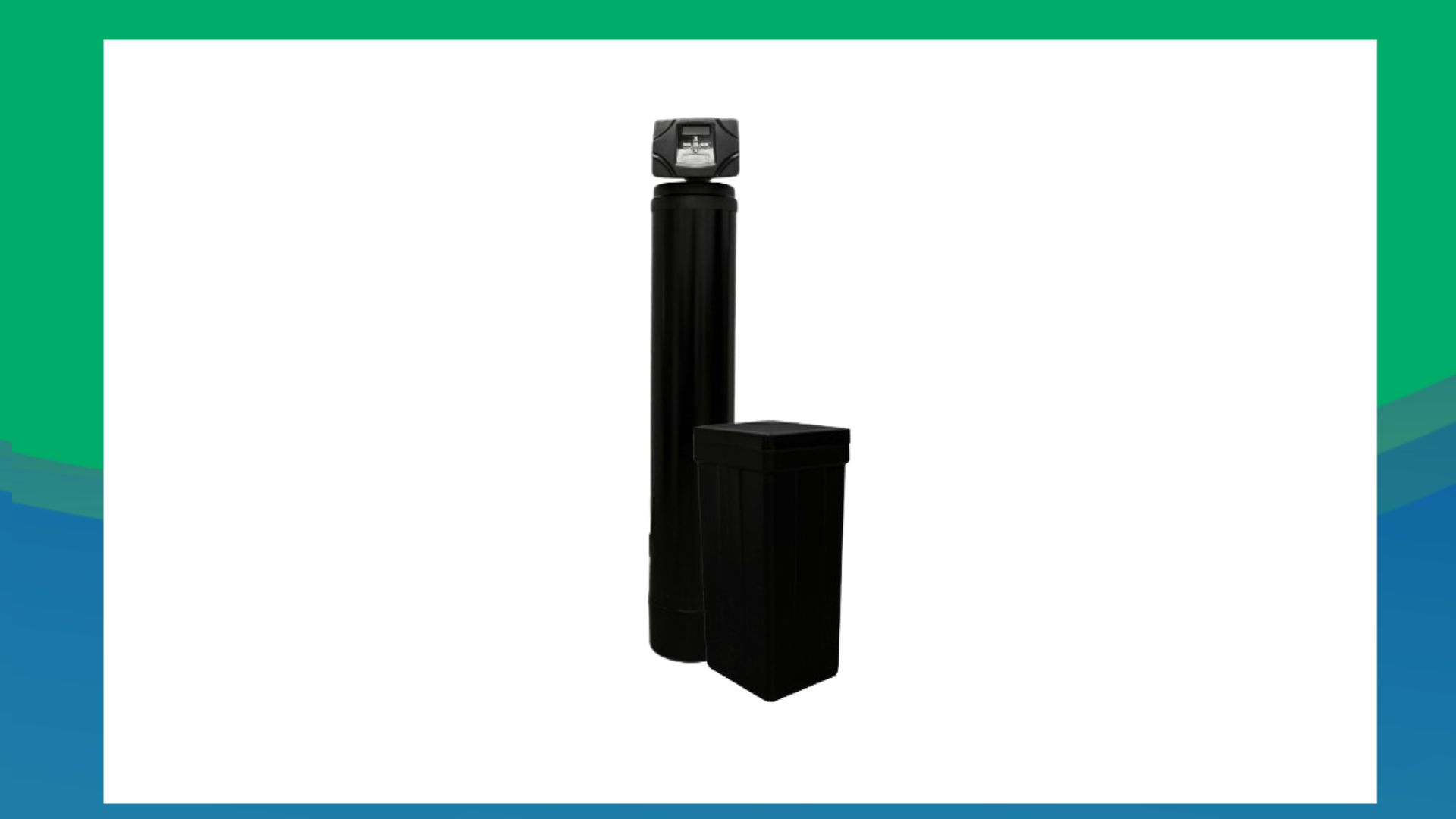
Salt-based ion exchange is the most proven approach to achieving soft water Phoenix homes can count on year-round.
Incoming water passes through a resin tank where calcium and magnesium swap places with sodium ions, exiting as genuinely soft water that no longer deposits scale or interferes with soap performance.
For Phoenix homes dealing with hardness consistently above 200 mg/L, the difference is immediate.
Pros: True hardness removal, immediate lather and rinse improvement, proven in high-hardness markets
Cons: Requires regular salt refills, brine discharge may be subject to local wastewater guidelines
Salt-Free Water Conditioners
Salt-free conditioners use Template Assisted Crystallization to alter the physical structure of calcium and magnesium so they pass through pipes without bonding as scale.
The minerals stay in the water, but the buildup largely stops.
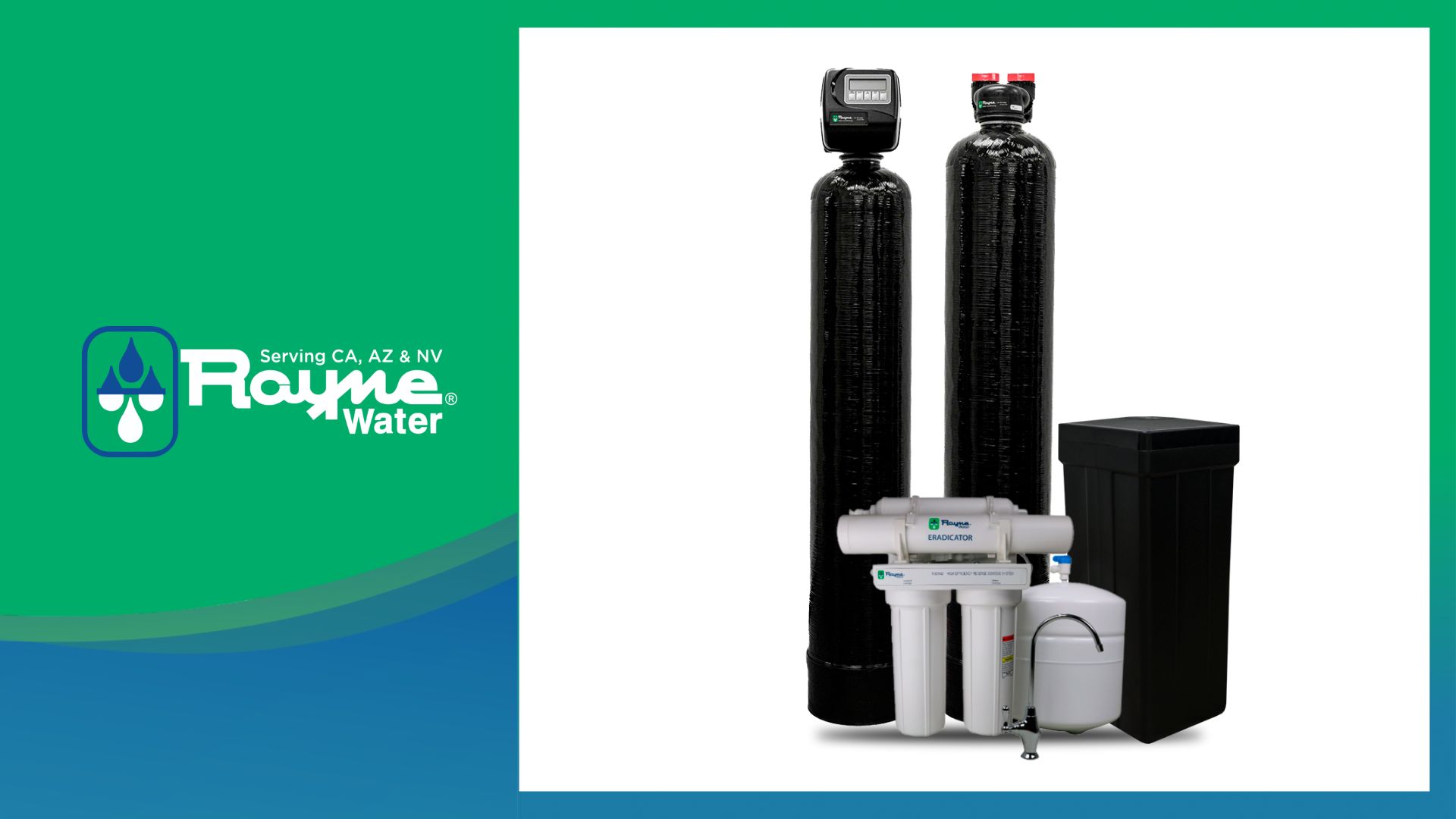
The Rayne Spartan Series combines TAC media with carbon filtration to reduce chlorine and prevent scale with no electricity, no drain, and no wastewater. For larger Phoenix homes with higher flow requirements, the Rayne Executive 12 adds whole-house multimedia filtration to the same salt-free configuration.
Pros: Low maintenance, no salt handling, no brine discharge, works in restricted areas
Cons: Does not remove hardness minerals, so the classic soft-water feel is less pronounced
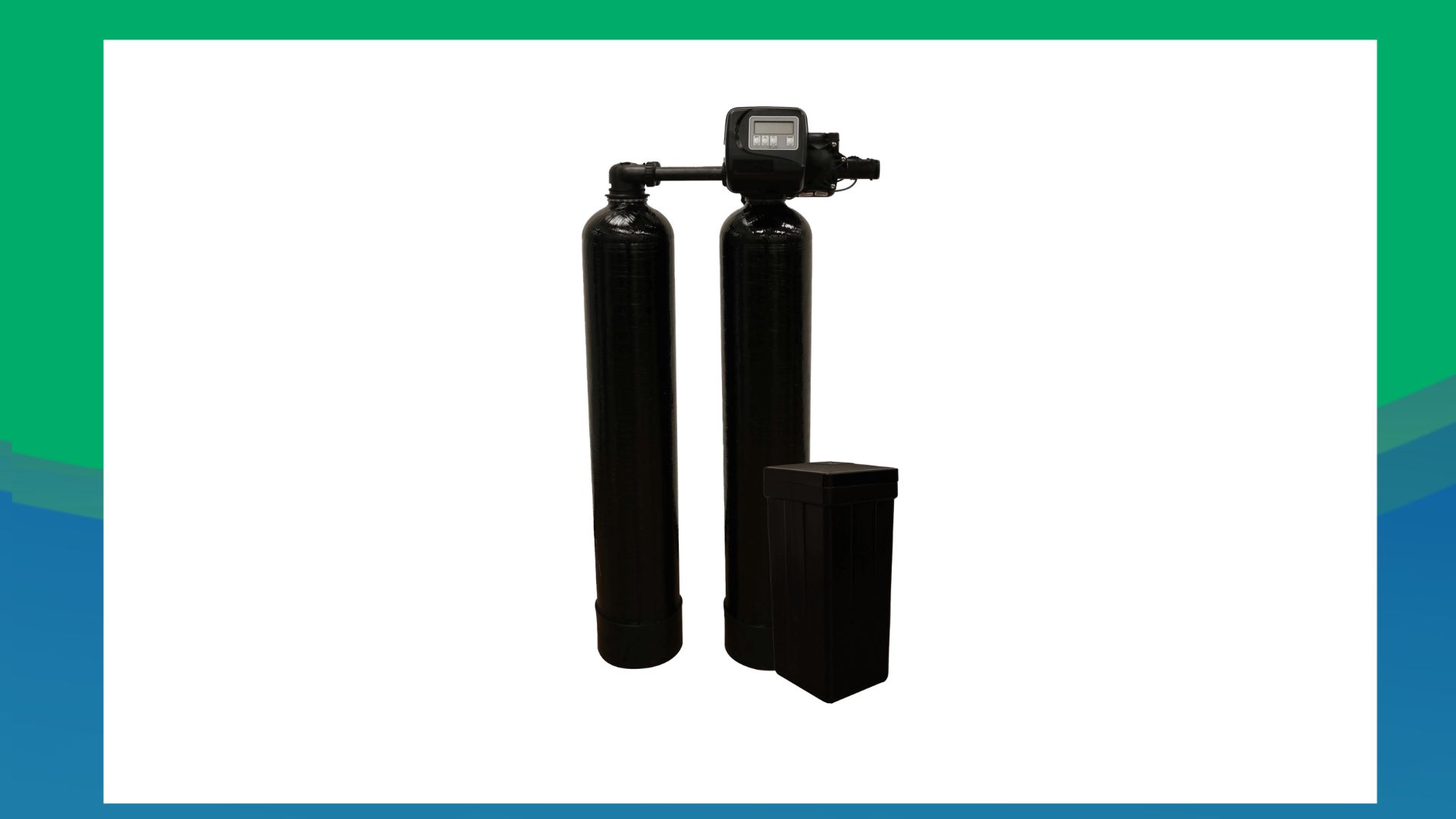
Dual-Tank Systems
Standard single-tank softeners regenerate during off-peak hours, which suits most households well.
Larger Phoenix homes with multiple bathrooms running simultaneously can encounter brief windows of untreated water when regeneration timing does not align with demand.
Dual-tank systems solve that by keeping one tank online while the other regenerates. The Rayne Infiniti 1500 and Rayne Infiniti 3000 alternate tanks automatically, ensuring continuous soft water availability regardless of when demand peaks.
How to Choose the Right Water Softener for Your Phoenix Home
The right Phoenix water softener is not the most expensive one on the market or the one with the longest feature list.
It is the system sized and configured to match your measured water hardness, your household’s daily demand, and any local or environmental considerations that affect which types are appropriate for your address.
Test Your Water
Buying a water softener without a water test is like choosing medication without a diagnosis.
Phoenix is consistently hard, but the specific mineral levels at your address depend on which supply blend dominates your service zone, your distribution infrastructure’s age, and seasonal shifts in CAP and SRP ratios.
A complete test covers hardness in grains per gallon, TDS, and iron and manganese levels. Iron, in particular, can interfere with resin performance in salt-based systems above trace levels, so identifying it early shapes the right system choice.
Rayne Water offers a complimentary water test that turns your actual profile into a specific recommendation. You walk away knowing your numbers, not a city-level estimate.
Match the System to Home Size and Demand
Water softener capacity is expressed in grains, representing the total hardness a system can remove before regenerating. A family of five with multiple simultaneous showers and high-demand appliances needs significantly more capacity than a couple in a two-bedroom condo.
Sizing too small causes frequent regeneration and gaps in soft water coverage. Sizing too large adds cost without performance gain.
The right calculation uses your measured hardness, daily gallon estimate, and peak demand pattern. Our sizing guide walks through that framework before the consultation begins.
Compliance and Environmental Considerations
Arizona does not currently impose statewide restrictions on ion exchange softeners the way some California jurisdictions do.
That said, individual municipalities may have specific brine discharge guidelines, so confirming local rules for your exact address before committing to a salt-based system is worth the extra step.
The ADEQ water quality resources page provides context on state-level water management priorities.
For homeowners who prefer to avoid brine discharge entirely, Rayne’s salt-free conditioning options deliver meaningful scale control without any regeneration cycle or wastewater output.
Installation Best Practices
Most Phoenix installations work best near the main water entry point, typically the garage or utility room, where the system stays protected from heat and easily reached for salt refills.
Quality installation includes a bypass valve, clean shutoff access, stable placement away from direct sun, and a drain route that meets local code. In Phoenix, where garage layouts vary widely, a local team that knows the area’s configurations earns its value quickly.
Benefits of Installing a Water Softener in Phoenix
The benefits of soft water Phoenix residents experience touch every room where water runs
Save on Repairs and Extend Appliance Lifespan
Phoenix hard water is particularly aggressive because mineral concentration is high and water runs hot year-round.
Scale coats water heater elements, clogs dishwasher spray arms, and reduces efficiency in the tankless water heaters common in newer Arizona homes.
EPA WaterSense research on scale identifies calcium and magnesium as the primary drivers of efficiency losses in residential water systems, confirming that ion exchange softening addresses the mineral cause directly.
In Phoenix, keeping appliances running through their full service life represents a clear and immediate financial advantage.
Improved Skin, Hair, and Laundry Results
Phoenix’s hard water and desert-dry climate create a particular challenge for skin and hair.
Hard water minerals react with soap to form insoluble compounds that cling rather than rinse, leaving residue that contributes to dryness and dull hair regardless of how much moisturizer you use.
The shower difference is noticeable from the first use. Laundry follows a similar pattern: dark fabrics hold color longer, towels feel softer, and most households use considerably less detergent once soap performs at full efficiency.
Lower Utility Bills
Water heating accounts for roughly 18% of a home’s energy budget, according to U.S. Department of Energy estimates. In Phoenix, where hot water demand runs high year-round, scale on heating elements forces longer cycles to reach the same setpoint.
CIBSE research on limescale explains that mineral deposits create a heat transfer barrier that steadily increases energy demand over time.
A properly sized Phoenix water softener keeps heating surfaces clear, allowing water heaters to operate at rated efficiency rather than compensating for a growing mineral barrier inside.
Boost in Home Value
In Arizona’s competitive real estate market, a professionally installed water softener reads as a practical investment rather than a cosmetic upgrade.
Buyers across the Phoenix metro notice fixture condition, shower enclosure appearance, and the state of water-using appliances.
Scale-free fixtures and documented service history signal that the home’s infrastructure has been actively maintained. In a market where buyers are acutely aware of ongoing ownership costs, evidence of scale prevention is a value-add that resonates with informed buyers.
Why Phoenix Homeowners Choose Rayne
Phoenix homeowners want two things from a water treatment company: a recommendation that fits how Phoenix water actually behaves, and support that stays available after the install. Rayne delivers both.
90+ years of hard water expertise: Rayne has treated Western water since 1928. Phoenix’s high-hardness, high-TDS profile sits squarely within our experience.
EPA- and WQA-certified solutions: NSF/ANSI certifications tied to specific performance claims, not marketing language.
Dedicated local service: Our Phoenix team knows local building codes, Southwest home configurations, and the plumbing layouts that affect installation decisions across the Valley.
Service plans and salt delivery: Matched to your household’s actual usage so your system never runs untreated.
Getting the right Phoenix water softener starts with a conversation grounded in your actual water results. You do not need to know which product you want before you reach out. The consultation is designed to answer that question for you.
Schedule a Free Consultation
A Rayne consultation gives you clarity, not a pressured pitch. You walk away with measured hardness data, a system recommendation sized to your actual demand, and a compliance-aware path if local guidelines apply.
Book through Rayne’s free water test page and note what you experience daily. That context helps the technician focus the test and ask the right questions.
Personalized Product Selection and Installation
With your results in hand, the right system becomes considerably clearer.
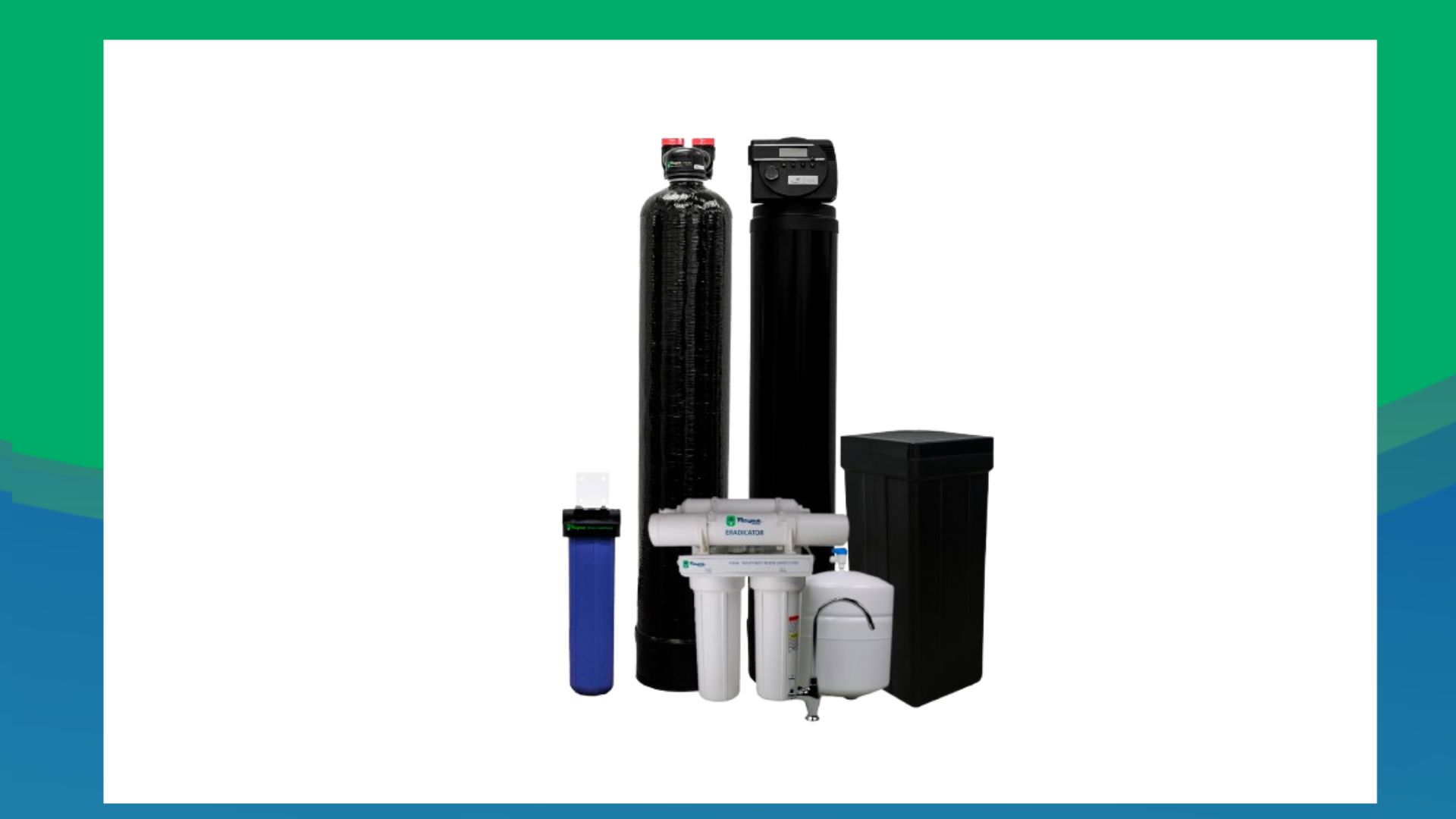
Salt-free conditioning suits low-maintenance preferences. Ion exchange delivers the complete soft-water experience. Adding carbon filtration or under-sink RO rounds out any chemical concerns alongside hardness.
Rayne’s licensed installation team handles sizing, placement, bypass configuration, and a full maintenance walkthrough before leaving. You get a system that performs correctly from day one.
Is Phoenix Hard Water Costing You More Than You Realize?
Most homeowners only connect the dots after a repair bill arrives or an appliance fails ahead of schedule.
A Phoenix water softener addresses the mineral root cause before that damage compounds.
Rayne Water makes the path straightforward. A complimentary water test reveals exactly what you are working with. A consultative recommendation matches the right system to your home. Licensed installation gets it right the first time, and a service plan keeps performance consistent year after year.
Phoenix water routinely exceeds 200 mg/L, placing it among the hardest municipal supplies in the United States. Readings vary by neighborhood and season, so a home water test gives you the specific number needed for accurate Phoenix water softener sizing.
Do I need a salt-based or salt-free water softener?
It depends on your priorities. Salt-based ion exchange delivers true soft water Phoenix homeowners notice immediately, while salt-free conditioning reduces scale with minimal upkeep
How much does installation cost in Phoenix?
Pricing varies by system type, plumbing layout, and placement complexity.
A basic Phoenix water softener installation costs less than a dual-tank setup requiring additional plumbing runs. A site visit and water test give you the most accurate estimate for your address.
Will a softener remove chemicals or contaminants?
A water softener in Phoenix, AZ targets hardness minerals only. For chloramine taste, PFAS, or VOCs, carbon filtration or reverse osmosis needs to be added.
Rayne’s Guardian 1250 combines softening resin with carbon media as a practical starting point.
Does Rayne offer maintenance plans or salt delivery?
Yes. Maintaining soft water Phoenix homes depend on requires consistent upkeep. Rayne’s service plans include scheduled salt delivery, periodic resin checks, and media replacement at the right intervals for your specific system and household size.”
Ken Christopher is the Senior Vice President for Rayne Dealership Corporation. As a seasoned executive with over 20 years of leadership experience, he’s helped scale…
Join our newsletter
Subscribe our newsletter to receive the latest news and exclusive offers every week. No spam.


 GET A QUOTE